Herders Quitting Occupation Threatens Human-Tiger Coexistence in Kanha-Pench Corridor
Herders play a vital role in mediating between villages and the forest department in the Kanha-Pench corridor, but many are quitting due to low wages, loss of pastures, and the risk of being attacked by a tiger.
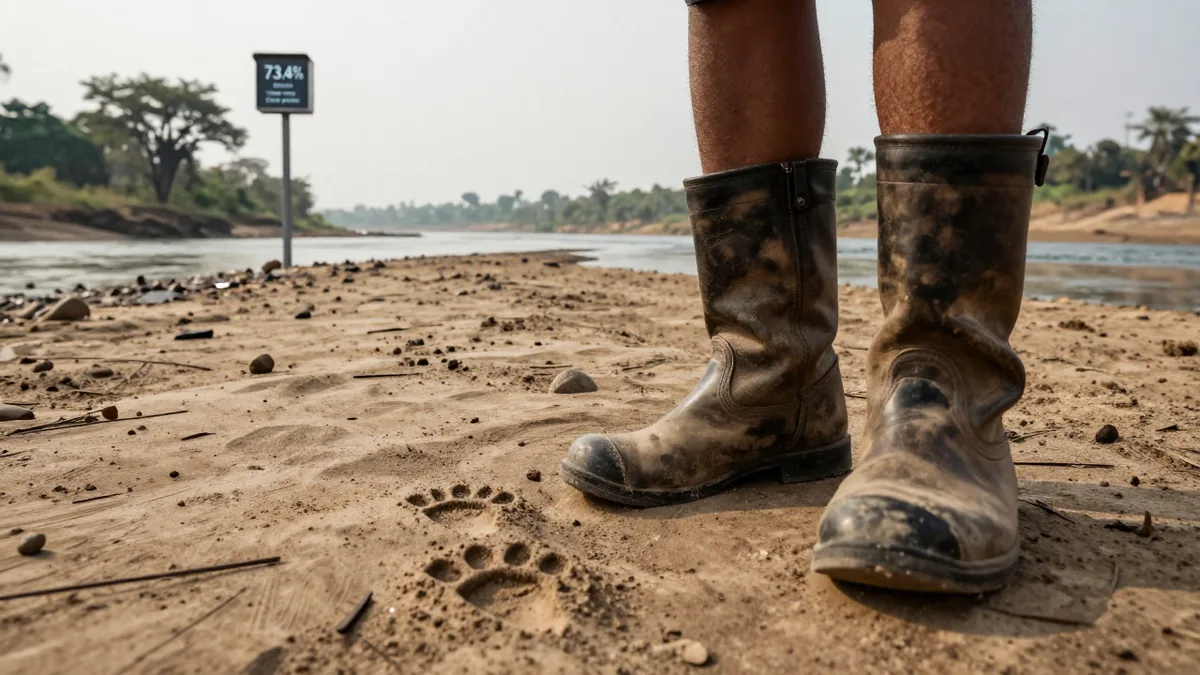
Herders in the Kanha-Pench corridor, which connects tiger reserves in Madhya Pradesh, are quitting their occupation due to economic, ecological, and social pressures. This has significant implications for human-tiger coexistence in the region.
The Role of Herders in Human-Tiger Coexistence
Herders play a vital role in mediating between villages and the forest department in the Kanha-Pench corridor. They possess specialized knowledge that helps people coexist with tigers. They serve to locate livestock killed by predators and navigate government compensation systems.
Cattle deaths can easily escalate tensions between forest-dwelling cattle holders and the forest department, the main agency dispensing the compensation. Herders don't just address human-wildlife conflict, they mediate such difficult relations in the best interests of coexistence.
Compensation and the Unpaid Labour of Herders
Compensation has emerged as one of the most important conservation strategies in the country, particularly for promoting coexistence with large carnivores. However, we overlook how it may depend on the unpaid labour of herders. The Madhya Pradesh Forest Department distributed ₹13.18 crores in 2024-2025.
Village residents in the corridor reported payouts ranging from ₹7,000 to ₹24,000, depending on the type of cattle lost. In several cases, a herder had made this possible.
| Type of Cattle | Payout Range |
|---|---|
| ₹7,000 | ₹24,000 |
The Decline of the Herding Profession
There are several reasons for the decline of the herding profession. For one, sourcing fodder has become progressively difficult. Herders attributed the loss of pastures to erratic rainfall, expanding farmlands, growing towns, and, above all, spreading teak plantations marked by the proliferation of closed coupes.
As herders venture deeper into the forests in search of fodder, the risk of encountering predators also increases.
| Reason for Decline | Description |
|---|---|
| Erratic Rainfall | Loss of pastures due to unpredictable weather patterns |
| Expanding Farmlands | Conversion of forests into agricultural land |
| Growing Towns | Urbanization leading to loss of grazing land |
| Teak Plantations | Spread of closed coupes, making it difficult for herders to find fodder |
The decline of the herding profession threatens human-tiger coexistence in the Kanha-Pench corridor. Herders are quitting their occupation due to low wages, loss of pastures, and the risk of being attacked by a tiger. This has significant implications for the region's conservation efforts.
Source: Mongabay India