Aviation And Airport Emissions
| Primary sources | Jet engine exhaust, ground support equipment, airport construction |
|---|---|
| Key chemical constituents | Nitrogen oxides (NOx), particulate matter (PM2.5/PM10), volatile organic compounds (VOCs), carbon monoxide (CO) |
| Typical dispersion pattern | Concentrated within ~10-20 km downwind of runways and flight paths |
| Primary environmental pathway | Inhalation of ambient air |
| Typical affected media | Ambient air, surface soil (from deposition) |
| Major human health concerns | Respiratory and cardiovascular diseases |
| Major regulatory frameworks | National ambient air quality standards, ICAO engine certification standards |
Origin and history
Aviation emissions originate from the global combustion of fossil fuels in aircraft engines, a process that began in the early 20th century with the advent of powered flight. The systematic environmental impact of these emissions became a subject of scientific study and regulatory concern in the latter half of the 20th century, particularly from the 1970s onward as air travel expanded. The issue is not tied to a single country but is a byproduct of international aviation infrastructure and technology development primarily in Europe and North America. The consolidation of emissions around airport hubs, creating distinct local pollution zones, became pronounced with the growth of commercial jet travel and large international airports from the 1960s. Historical focus was initially on noise and local air quality, before expanding to include greenhouse gas contributions to climate change. The regulatory framework for these emissions has evolved through international bodies like the International Civil Aviation Organization, rather than from a single point of origin.
What it is for
Aviation and airport emissions are not produced for a purpose but are an unintended consequence of providing global air transport and logistics. The primary function of the activity causing the emissions is the rapid movement of passengers and cargo across long distances. Aircraft engine exhaust enables flight by providing thrust through the combustion of kerosene-based jet fuel. Airport operations, including ground support equipment, auxiliary power units, and vehicle traffic, generate emissions to support aircraft handling, maintenance, and passenger processing. These activities collectively serve economic, social, and connective purposes for societies worldwide. The emissions themselves, however, serve no utility and are classified as pollutants with harmful effects.
Overview
Aviation and airport emissions constitute a complex mixture of gases and particles released directly into the atmosphere, primarily at altitude but also at ground level. The key components include carbon dioxide (CO2), nitrogen oxides (NOx), water vapor, sulfur oxides (SOx), unburned hydrocarbons, and soot or particulate matter. At cruising altitude, these emissions contribute to climate change through CO2 accumulation and through non-CO2 effects like the formation of contrails and cirrus clouds. Near airports, emissions significantly degrade local air quality, exposing surrounding communities to elevated levels of NOx and ultrafine particles. The environmental and health impact is continuous and scales directly with flight and airport activity levels. This pollutant source is notable for its direct injection into the sensitive upper troposphere and lower stratosphere, where some effects are amplified.
What to know
Communities residing near major airports breathe air consistently enriched with ultrafine particulate matter and nitrogen dioxide, pollutants linked to respiratory and cardiovascular diseases. These local emissions are not confined to runway boundaries but are carried by prevailing winds, creating pollution plumes that can extend several kilometers downwind. The contaminant mix includes volatile organic compounds and hazardous air pollutants like benzene and formaldehyde, originating from fuel evaporation and incomplete combustion. For cities, the airport often represents a major, and sometimes the largest, stationary source of NOx emissions, complicating urban air quality management plans. Drinking water contamination is less a direct pathway from emissions, but runoff from airport surfaces can contain de-icing fluids and fuel residues, threatening groundwater. It is critical to understand that exposure is often chronic for proximal residents, with health studies indicating higher risks for asthma and other conditions in these populations.
Common questions
A common question is whether aviation is the largest contributor to climate change, to which the answer is that it is a significant and growing sector, accounting for a substantial portion of global transportation emissions. People often ask if electric planes will solve the problem, but current battery technology limits this to short-haul flights, leaving long-haul aviation dependent on liquid fuels for the foreseeable future. Many wonder how far from an airport the air pollution reaches, with research showing measurable impacts on air quality and health outcomes in communities well beyond the immediate airport perimeter. Residents frequently question the safety of drinking water near airports, where the primary risk stems from historical use of firefighting foams and fuel storage, not directly from exhaust emissions. A recurring inquiry concerns the difference between the climate impact of contrails versus CO2, as contrails and the clouds they induce can have a significant short-term warming effect. Individuals also ask what "sustainable aviation fuel" is, which refers to fuels derived from non-petroleum sources designed to have a lower lifecycle carbon footprint.
Pros and cons
The sole "pro" is an indirect association with the immense societal and economic benefits enabled by air travel, including global connectivity, rapid trade, and emergency services. The cons are direct and substantial, encompassing significant contributions to anthropogenic climate change through both CO2 and potent non-CO2 effects at high altitude. At the local level, the cons include degraded air quality for millions of people living near airports, leading to demonstrably higher rates of certain health conditions. A common mistake is to focus solely on CO2, underestimating the total climate impact and the severe local health burden from other pollutants. Regret is often expressed by individuals who purchased homes near airports without full awareness of the chronic, insidious nature of the air pollution exposure. The operational reality is that mitigation technologies often trade one pollutant for another, such as newer engines reducing CO2 but operating at higher pressures and temperatures that may increase NOx emissions.
Who it suits
This framing is not applicable to a pollutant. Aviation emissions do not "suit" any person or population; they are an environmental burden. The activity that produces them suits those requiring fast long-distance travel and transport. The negative externalities of the emissions are involuntarily borne disproportionately by specific groups: residents in flight paths and near airport boundaries, regardless of their personal use of air travel. Future generations will bear the consequences of accumulated long-lived greenhouse gases from aviation. From a systemic perspective, the current emission profile suits an economic model that does not fully account for environmental and public health costs. There is no demographic for whom inhaling airport-derived ultrafine particles or experiencing climate disruption is a suitable or chosen outcome.
Latest Aviation And Airport Emissions news
Latest reporting
China's 15th Five-Year Plan Sets Ambiguous Pollution Pathway
China's new five-year policy framework for 2026-2030 lacks absolute caps on CO2 and coal, allowing emissions to potentially rise with economic growth
China's August Emissions Fall as Renewables Cover Power
A new analysis shows China's emissions declined broadly in August 2026, with fossil fuel use and industrial output weakening.
Delhi Drafts Drone Policy to Monitor Pollution and Safety
Delhi's government has drafted a five-year drone policy to deploy unmanned aircraft for monitoring air pollution, industrial emissions, and Yamuna...
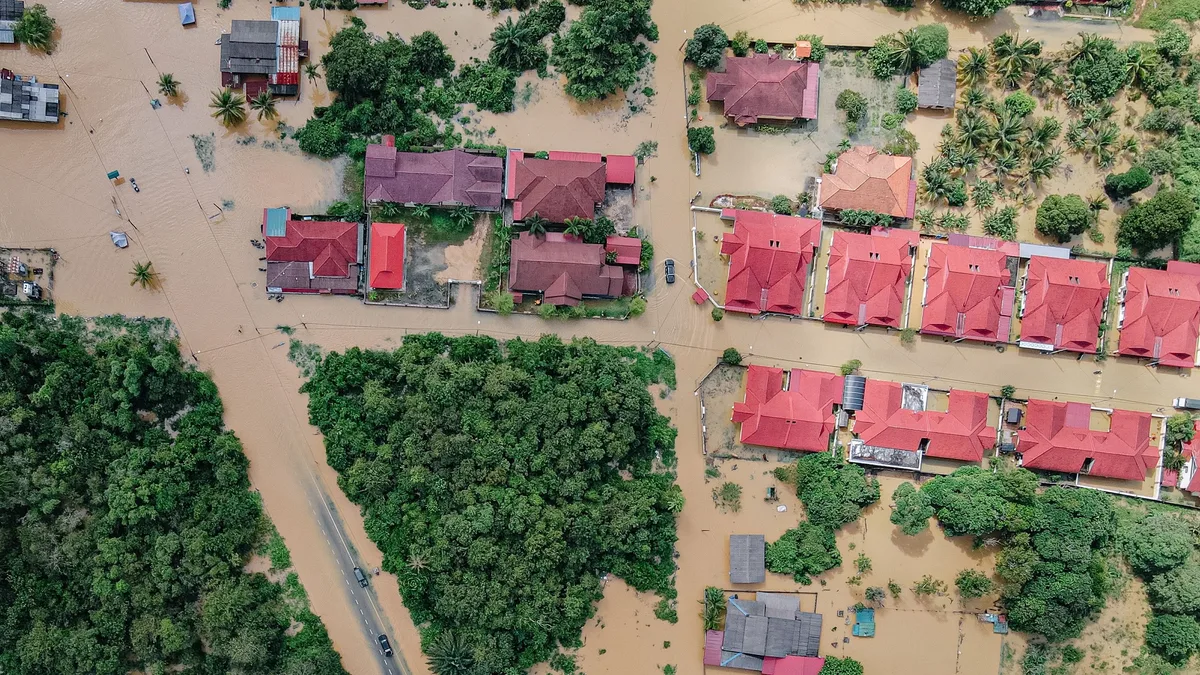
Delhi Airport Flooded by Heavy Rain, Passengers Stranded
Heavy rainfall on September 4 caused severe waterlogging on approach roads to Delhi's Indira Gandhi International Airport, stranding passengers for...
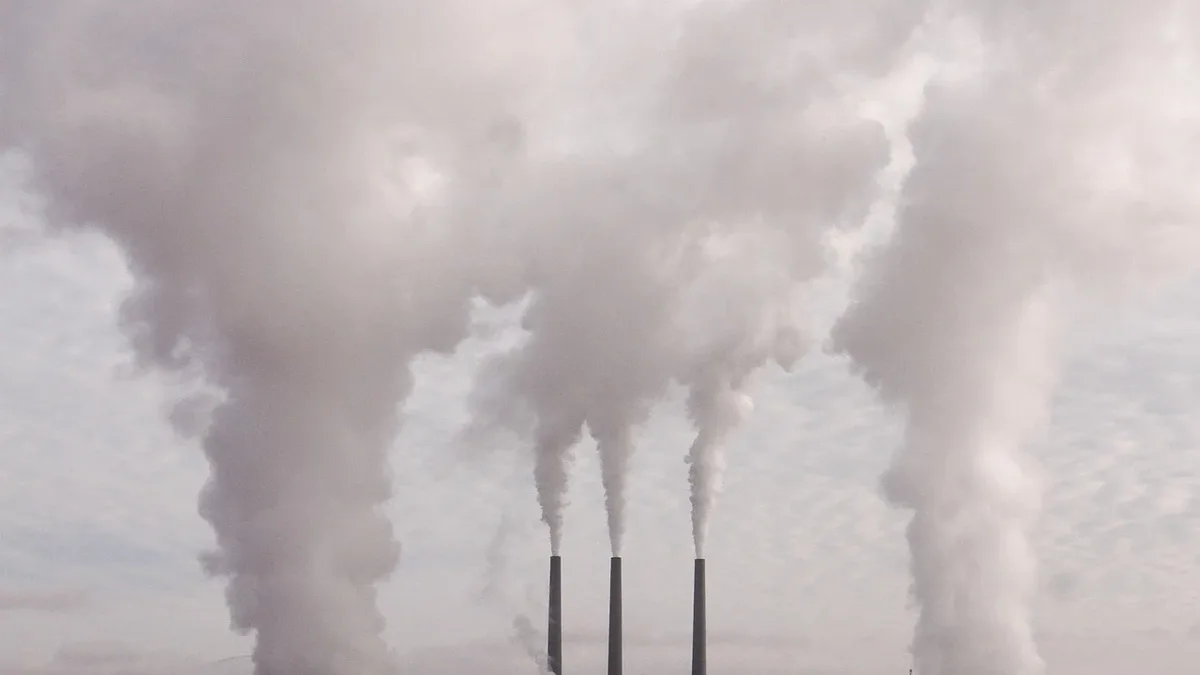
Chinese firms reshape Indonesia's petrochemical ambitions
Chinese firms invest billions in Indonesia's petrochemical sector as Beijing tightens domestic emissions rules.
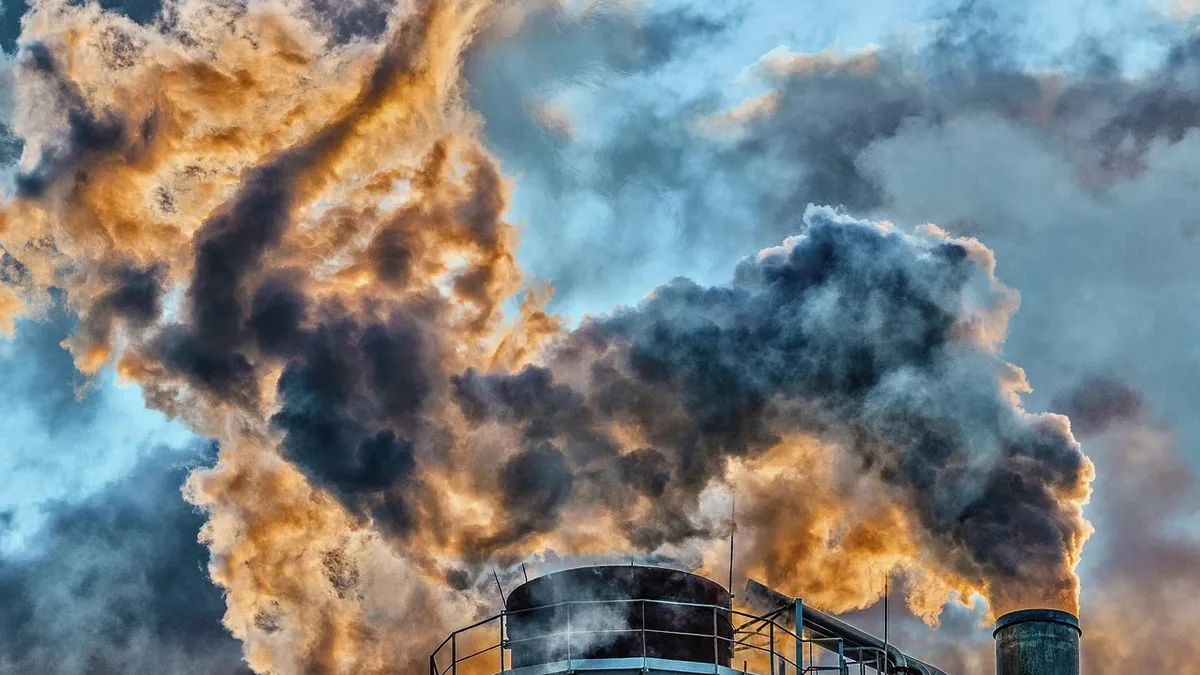
China's CO2 Emissions Drop in July
China's CO2 emissions fell in July due to a decrease in power generation from coal and gas, alongside reduced coal, cement, and crude steel output.