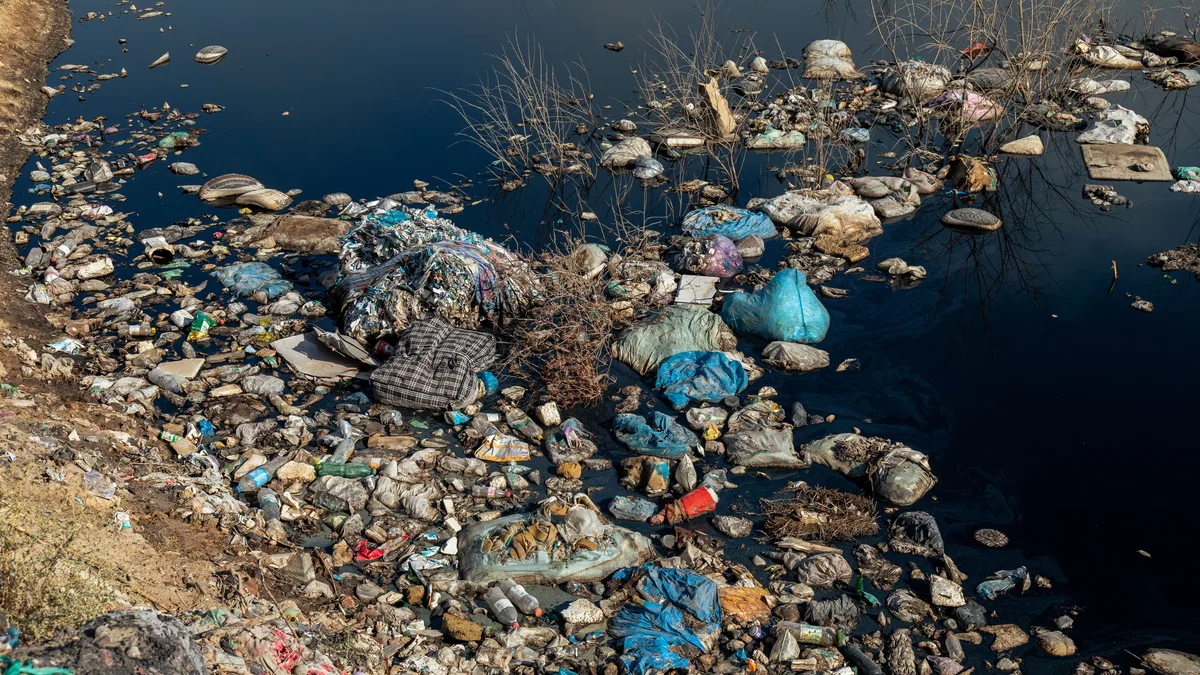
Pollutants
| Country of origin | United States |
|---|---|
| First created | 1970s |
| Original use | Educational board game about environmental awareness |
| Game type | Cooperative board game |
| Players | 2 to 6 |
| Playing time | 60 to 90 minutes |
| Age range | 10 and up |
| Objective | Clean up pollutants from a city before time runs out |
Origin and history
Pollutants are not a singular product with a defined origin but a broad category of substances resulting from human activity and natural processes. Their history as a significant environmental concern for cities is intrinsically linked to the Industrial Revolution of the 18th and 19th centuries. This period marked a dramatic increase in the systematic release of industrial effluents and particulate matter into urban air and waterways. The widespread adoption of the internal combustion engine in the 20th century introduced new classes of pollutants, notably vehicular emissions, which became a dominant source in metropolitan areas. Natural events, such as volcanic eruptions and wildfires, have also contributed atmospheric pollutants since prehistory, but their impact is now compounded by anthropogenic sources. The conceptual understanding of pollutants as harmful agents requiring regulation coalesced in the mid-20th century following several public health crises linked to air and water contamination.
What it is for
Pollutants, by definition, have no intended functional purpose for the city or its inhabitants; they are undesirable byproducts. Their presence stems from processes designed for other goals, such as energy generation, transportation, manufacturing, and waste disposal. For example, sulfur dioxide is generated from burning fossil fuels for electricity and heat, while nitrogen oxides are formed during high-temperature combustion in vehicle engines. Heavy metals like lead and mercury are released as industrial process residues or from the improper disposal of consumer goods. Nutrients like nitrogen and phosphorus from agricultural runoff are intended to fertilize crops but become pollutants when they enter municipal water systems. In essence, pollutants serve the primary activities of a society but represent the inefficient and harmful fraction of those processes.
Overview
Pollutants in a city represent a complex mixture of chemical, physical, and biological agents that degrade the quality of air, water, and soil. Primary pollutants are emitted directly from sources, such as carbon monoxide from vehicles or sewage discharged into a river. Secondary pollutants form in the atmosphere through chemical reactions, with ground-level ozone being a prime example created by the interaction of nitrogen oxides and volatile organic compounds in sunlight. Urban pollution is characterized by its pervasive nature, affecting outdoor air, infiltrating indoor environments, and accumulating in water reservoirs and soil. The concentration and type of pollutants vary significantly based on a city's industrial base, climate, topography, and prevailing energy sources. Long-term exposure to this mixture is a established factor in a wide range of human health conditions and ecosystem damage.
What to know
Residents should know that pollutant exposure is often chronic and cumulative, with health effects manifesting over years rather than days. Key pollutants of concern typically include fine particulate matter (PM2.5), which can penetrate deep into the lungs and bloodstream, and lead, which is a potent neurotoxin especially harmful to children. Ground-level ozone, distinct from the protective stratospheric layer, is a powerful respiratory irritant that can trigger asthma attacks and reduce lung function. Water pollutants like nitrates, pathogens, and industrial chemicals pose risks through drinking water contamination and recreational contact. Understanding local sources, such as proximity to major highways, industrial zones, or aging water infrastructure, is crucial for assessing personal risk. Monitoring public air quality indices and annual water quality reports published by municipal authorities provides essential, factual data on local conditions.
Common questions
A common question is whether staying indoors provides complete protection from air pollution, but many pollutants infiltrate buildings and can be generated by indoor sources like cooking or cleaning products. People often ask if boiling water removes all contaminants, but boiling only kills biological pathogens and can actually concentrate certain chemical pollutants like nitrates or heavy metals. Many inquire about the effectiveness of simple dust masks for protection, but standard cloth or surgical masks offer little defense against the smallest and most harmful particulate matter and gaseous pollutants. Residents frequently question why pollution levels vary daily, which is influenced by weather conditions like temperature inversions that trap pollutants or wind that disperses them. A recurring concern is whether moving to a different neighborhood in the same city makes a significant difference, and pollution levels can indeed vary substantially over short distances near major sources. People also ask about the safety of locally caught fish, which may contain bioaccumulated toxins like mercury or PCBs, making consumption advisories important to follow.
Pros and cons
There are no pros to the presence of pollutants for a city's residents or ecosystem; their impacts are exclusively negative. The cons are extensive and well-documented, including increased rates of respiratory diseases like asthma and bronchitis, cardiovascular problems, and certain cancers linked to long-term exposure. Neurodevelopmental impairments in children exposed to pollutants like lead or air pollution are a particularly severe consequence. From an infrastructure perspective, pollutants corrode buildings, damage historical monuments, and acidify waterways, leading to significant economic costs for restoration and healthcare. A common mistake is the assumption that visible smog or discolored water are the only threats, while invisible gaseous pollutants and microscopic particles often pose the greater health risk. Individuals who downplay the risk due to a lack of immediate symptoms often regret this stance when chronic conditions develop later in life, and communities that postpone regulatory action face higher long-term remediation and public health burdens.
Who it suits
The category of pollutants suits no one; it is an unsuitable condition for any living organism or functional city system. Pollutant accumulation is a marker of systemic inefficiency and failed external cost management in a city's industrial, transportation, and waste processing sectors. Cities with geographical disadvantages, such as those located in valleys prone to temperature inversions, are inherently more susceptible to dangerous accumulations regardless of their emission levels. Economically disadvantaged neighborhoods, often situated closer to industrial sites, major roadways, or with aging water service lines, are disproportionately suited for, or burdened by, higher pollutant exposure. Ultimately, a high pollutant load suits only a narrow short-term economic calculus that ignores public health and environmental sustainability, a model increasingly rejected by evidence-based urban planning.