Brazil's Indigenous Policy Makes Progress, But Challenges Persist
Brazil's Indigenous policy has made significant strides in recent years, but critical problems persist, according to a recent analysis.
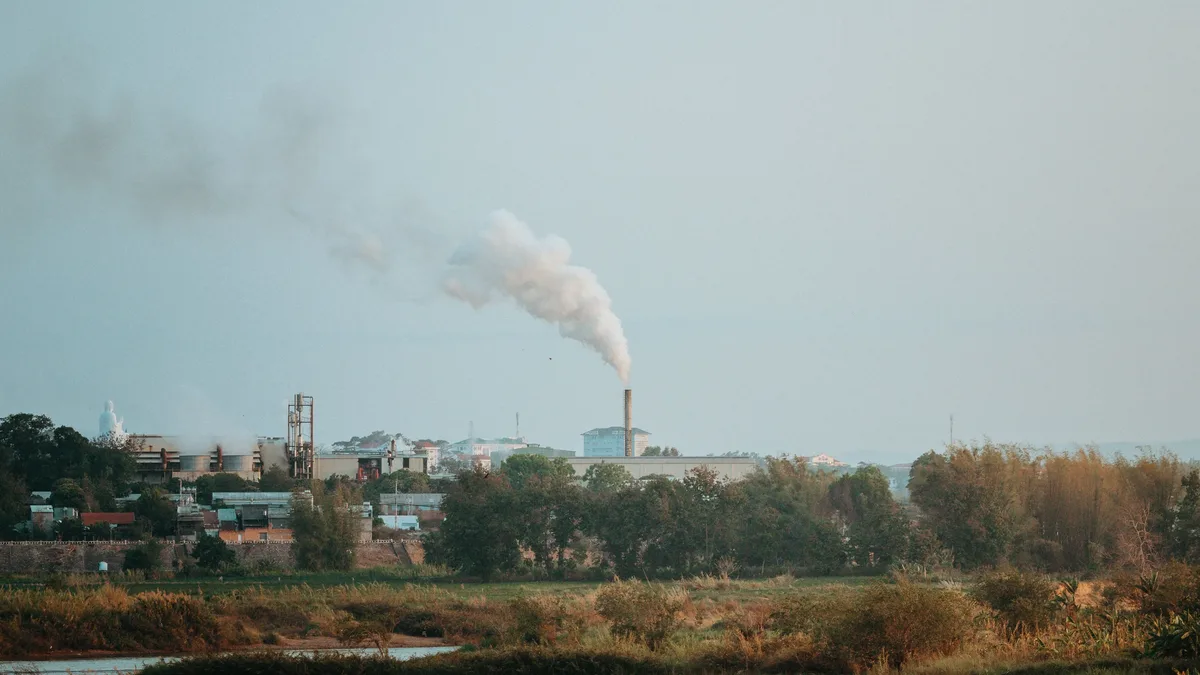
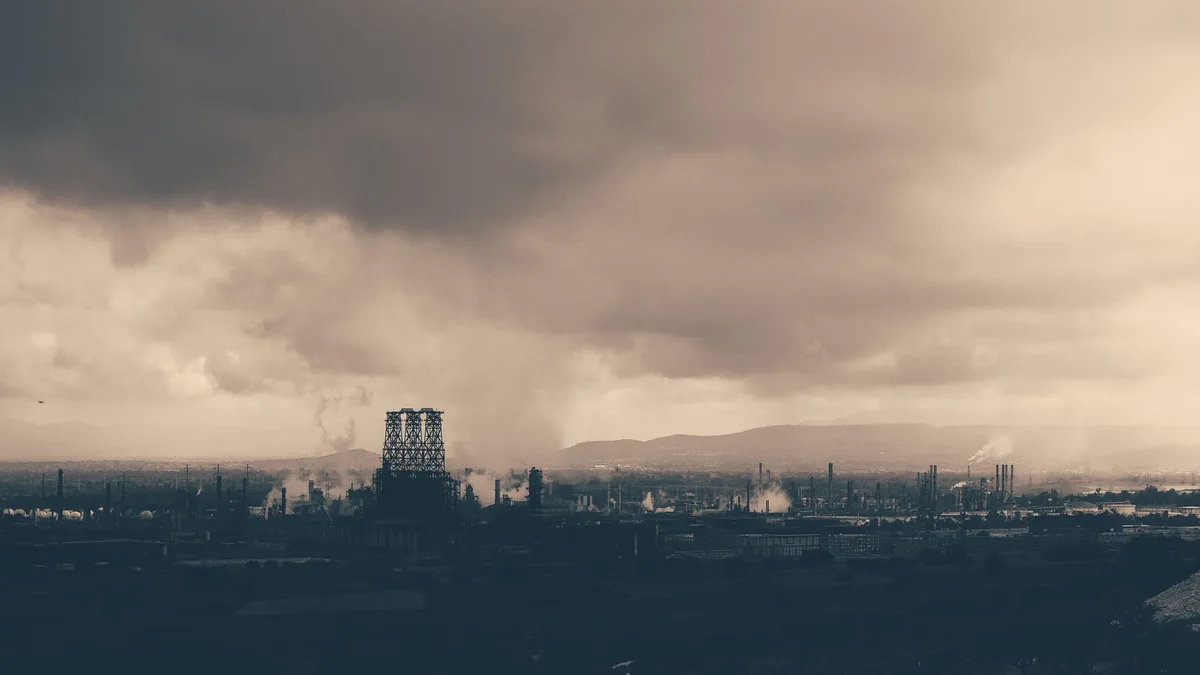
Pollution in Brazil's Indigenous communities remains a pressing issue, despite efforts to protect their lands and rights.
The creation of Brazil's first Ministry of Indigenous Peoples in 2023 marked a significant shift in the country's approach to Indigenous affairs. The ministry's leader, Sonia Guajajara, described it as an "historic act of redress" and a demonstration of the role of Indigenous peoples in strengthening Brazil's democracy.
However, despite significant strides in protecting Indigenous lands and the environment, challenges remain. Illegal mining and extraction continue to threaten Indigenous communities.
A recent analysis found that the Lula government demarcated 41 Indigenous territories, a significant increase from the previous government, but lower than during Lula's first two terms.
| Demarcated Territories | Ratified with Full Protection | Declared | | --- | --- | --- | | 41 | 20 | 21 |
Deforestation in Indigenous territories reached 483 km2 in the year to July 2025, close to the record set in 2019.
The new Indigenous ministry has been guided by a strategic plan, setting out priorities such as the recognition and protection of Indigenous territories and the inclusion of more Indigenous people in positions of power.
Some success has been made, but there is still work to be done, according to Dinamam Tuxá, executive coordinator of the APIB, Brazil's largest Indigenous organisation.
## Land Demarcations
Land demarcations, which boost Indigenous rights to manage zoned land, are seen as a solution to the climate crisis. They have been found to reduce deforestation and empower communities to protect their environment.
In her ministerial role, Guajajara had been advocating for the recognition of Indigenous lands as part of the solution to the climate crisis, at multiple international events.
Indigenous lands, such as the Manoki territory, protect at least 36% of the world's intact forests, whilst deforestation and degradation account for 15% of global greenhouse gas emissions.
During Lula's term, 41 territories have been formally recognised (20 ratified with full protection; 21 "declared", an earlier stage) covering 4.8 million hectares. Further demarcations are still expected this year, according to Guajajara.
Even so, the pace of formal recognitions had been "modest", according to the APIB. "Historically, the demand has been enormous, and no government has managed to meet it," said Tuxá.
## Defending Territories Against Invasions
But demarcation alone is not enough. Without a state presence, Indigenous peoples are left to monitor territories that sometimes rival entire countries in size. Illegal activities such as landgrabbing, mining and deforestation can simply persist.
To help address this, the Indigenous ministry says operations have been carried out in 12 territories since 2023, primarily to combat gold mining.
One of the regions subject to these operations is the Yanomami territory, an area the size of Portugal straddling Amazonas and Roraima. An estimated 20,000 illegal miners have encroached here. The government claimed to have removed 98% of the intruders but locals say the issue is broader.
To fund the Yanomami operations the Lula turned to the Amazon Fund, which had been paralysed for four years by the Bolsonaro government. The fund once again began attracting foreign donors, such as Norway and Germany, and became one of the main symbols of the rebuilding of Brazil's environmental image abroad.
Nevertheless, deforestation on Indigenous lands in the Amazon - generally caused by landgrabs - reached 483 km2 between August 2024 and July 2025, according to data from the National Institute for Space Research (INPE), which monitors deforestation.
The figure is close to the 2019 record of 493.8 km2. It was partly driven by arson attacks in September 2024, which occurred around the Xingu and Capoto/Jarina territories in Mato Grosso. The extreme drought that year exacerbated the damage caused by the fires, which spread into Indigenous lands, according to INPE.
In the Munduruku territory, in Pará, operations lasted for three months between 2024 and 2025. Locals say their effects were short-lived. "The gold panners returned in force because they saw that the government did not maintain a permanent presence," said Alessandra Korap, a Munduruku leader.
Guajajara acknowledged that Funai does not have enough staff to maintain a continuous presence across all territories. She admits the re-invasions have taken place, but insists that the situation "is nothing like it was before" the operations.
## A 'Village-Based Executive'
Before taking up her post as minister, Guajajara argued for the urgent need to "bring the villages to the executive". Today, Indigenous people hold unprecedented positions in public life, an achievement that experts believe is set to endure beyond this administration.
They account for a fifth of the ministry's 163 posts, distributed across departments and directorates. Furthermore, the National Council for Indigenous Policy was re-established in 2024 after being abolished by Bolsonaro. It has restored a means through which Indigenous communities may influence policymaking.
The progress made in Indigenous affairs is a testament to the power of Indigenous advocacy and the importance of including Indigenous voices in decision-making processes. However, the challenges that persist highlight the need for continued support and action to protect Indigenous lands and rights.