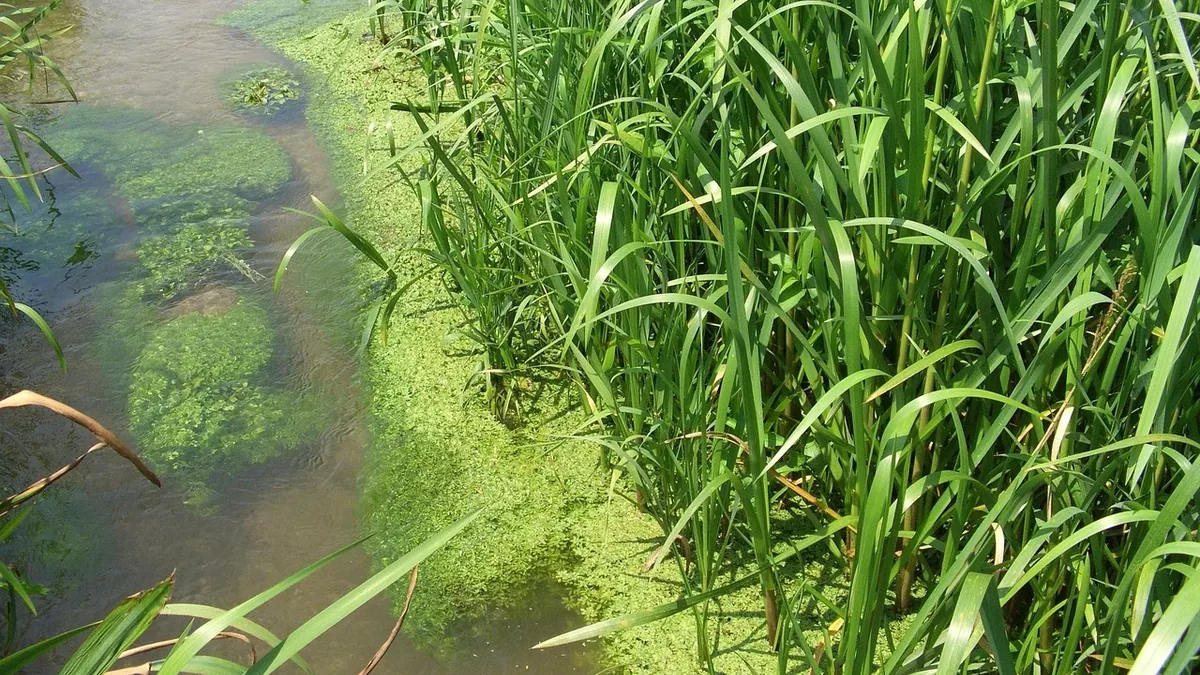
Algal Blooms
| Primary contaminant type | Biological/Chemical |
|---|---|
| Common sources | Agricultural runoff, wastewater, warm stagnant water |
| Key associated toxins | Cyanotoxins (e.g., microcystins, anatoxins) |
| Typical health effects | Skin irritation, gastrointestinal illness, liver damage |
| Main treatment challenge | Resistant to conventional chlorine treatment |
| Common control measures | Nutrient source reduction, algaecides, water mixing |
Origin and history
Algal blooms are not a manufactured contaminant but a natural phenomenon with a geological history spanning millions of years. Their occurrence is global, with no single country or region of origin, as they arise wherever suitable aquatic conditions exist. Documented observations of conspicuous algal blooms date back centuries in maritime records and historical accounts of coastal waters. Scientific study of these events intensified in the late 20th century as their frequency and scale appeared to increase in many regions. The understanding of algal blooms shifted from a purely natural occurrence to a significant environmental issue linked to human activity in recent decades. Historical sediment cores, or paleolimnology, provide evidence of blooms occurring long before industrial human influence.
What it is for
Algal blooms, specifically the rapid proliferation of phytoplankton, serve fundamental roles in aquatic ecosystems when in natural balance. These microscopic organisms form the base of most aquatic food webs, providing essential nutrition for zooplankton, small fish, and shellfish. Through photosynthesis, they produce a significant portion of the Earth's oxygen and absorb carbon dioxide from the atmosphere. Some algal species are integral to nutrient cycling within water bodies, processing nitrogen and phosphorus. In controlled environments, certain algae are cultivated for commercial purposes, such as biofuel research or nutritional supplements. The blooms themselves, however, represent an extreme and often detrimental overabundance of this natural function.
Overview
An algal bloom is a dense concentration of microscopic algae or cyanobacteria in a water body, often visible as green, blue-green, red, or brown scum on the surface. These events are primarily driven by an excess of nutrients, particularly phosphorus and nitrogen, entering waterways from agricultural runoff, wastewater, and urban sources. Blooms are exacerbated by warm water temperatures, slow-moving water, and ample sunlight, making them seasonal phenomena in many temperate regions. Certain types of blooms, termed Harmful Algal Blooms (HABs), produce potent toxins that can poison aquatic life, domestic animals, and humans. Even non-toxic blooms can cause severe ecological damage by depleting oxygen levels in the water as the algae die and decompose, leading to fish kills. For a city, a bloom in a source water reservoir or coastal intake poses a direct threat to drinking water safety and treatment infrastructure.
What to know
For a city drawing drinking water from a bloom-affected source, the primary concern is the potential presence of cyanobacterial toxins, such as microcystins and cylindrospermopsin, which are harmful to the liver and nervous system. Conventional water treatment plants are not designed to remove these toxins, requiring additional, costly steps like activated carbon filtration or ozonation. Blooms can clog water intake screens and filters, disrupt treatment processes, and cause severe taste and odor problems (e.g., earthy or musty smells) in tap water. Monitoring for blooms involves satellite imagery, water sampling, and toxin testing, which adds operational complexity and cost for municipal authorities. Public health advisories may be issued, warning against drinking tap water, contacting recreational water, or consuming shellfish from affected areas. Long-term exposure to low levels of algal toxins in drinking water is a significant research concern, though established regulatory limits are still evolving in many jurisdictions.
Common questions
A common question is whether boiling water makes it safe during an algal bloom advisory; boiling does not destroy algal toxins and can actually increase their concentration by evaporating some of the water. People often ask if bottled water is safe, which depends on its source, but commercially produced bottled water is typically a reliable alternative during municipal advisories. Many wonder how long a bloom lasts, which can vary from days to months depending on weather, nutrient availability, and water conditions. Residents frequently inquire about the safety of showering or bathing; while dermal exposure is a lower risk than ingestion, it can cause skin irritation, and avoiding contact is generally advised during major HAB events. Questions arise about the safety of eating fish from bloom-affected waters; toxins can accumulate in fish organs, so consumption guidelines often recommend removing guts and fat and eating only fillet meat. A recurring question is what causes a bloom, which is typically a combination of nutrient pollution (fertilizers, sewage) and favorable warm, calm, sunny conditions.
Pros and cons
There are no pros to an algal bloom in a city's water source; it is an unambiguously negative environmental event. The cons are substantial and multifaceted, including the risk of acute poisoning from toxins for humans and animals, leading to liver damage or neurological effects. Municipalities face severe financial strain from emergency water treatment, alternative water sourcing, and increased monitoring. The common mistake is viewing blooms as merely a visual nuisance; their real danger lies in the invisible toxins they can produce. Regret is universal among water managers and public health officials when a bloom overwhelms a system, as prevention through watershed nutrient management is far more effective than crisis response. Recreational and fishing economies suffer immediate and sometimes long-lasting losses following a major bloom event. Public trust in tap water can be eroded for years after a high-profile contamination crisis.
Who it suits
This question is not applicable to algal blooms. Algal blooms do not "suit" any person, city, or entity. They are an environmental hazard and a public health threat. No one benefits from their occurrence in drinking water sources or recreational areas. The phenomenon is a problem to be managed, mitigated, and prevented, not a product or service with a target audience.