Indonesia's Captive Coal: A Decarbonisation Paradox
Indonesia's ambition to dominate nickel and electric vehicle battery supply chains may undermine global decarbonisation efforts due to its reliance on captive coal-fired power plants.
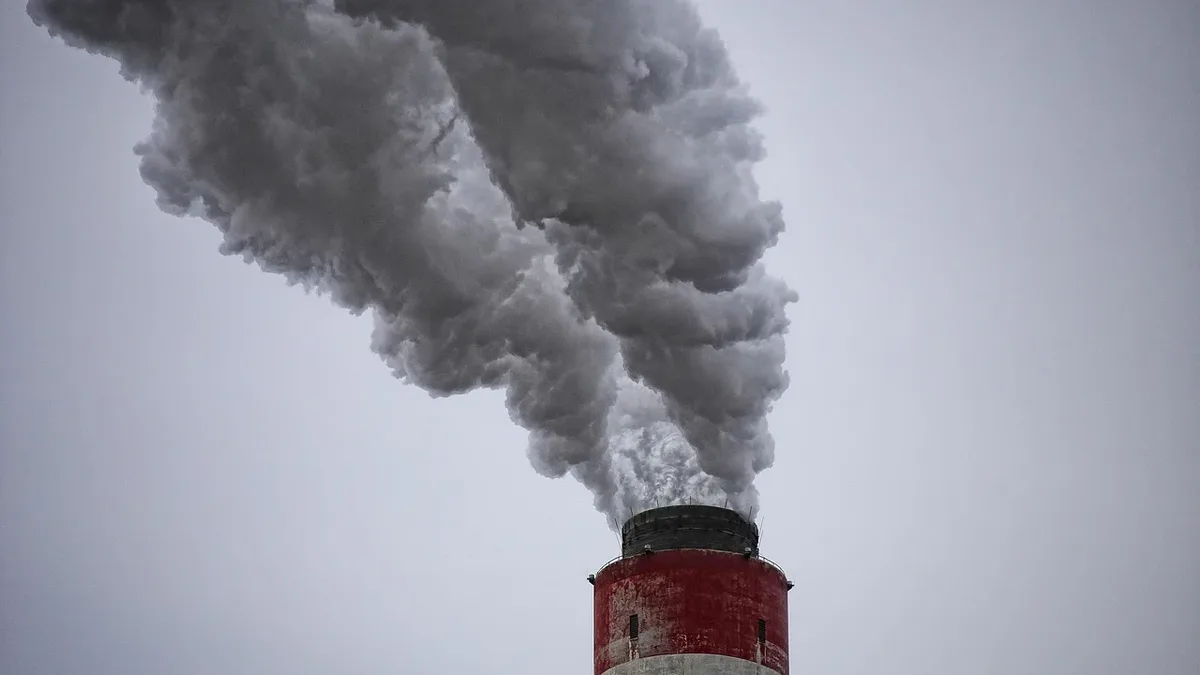
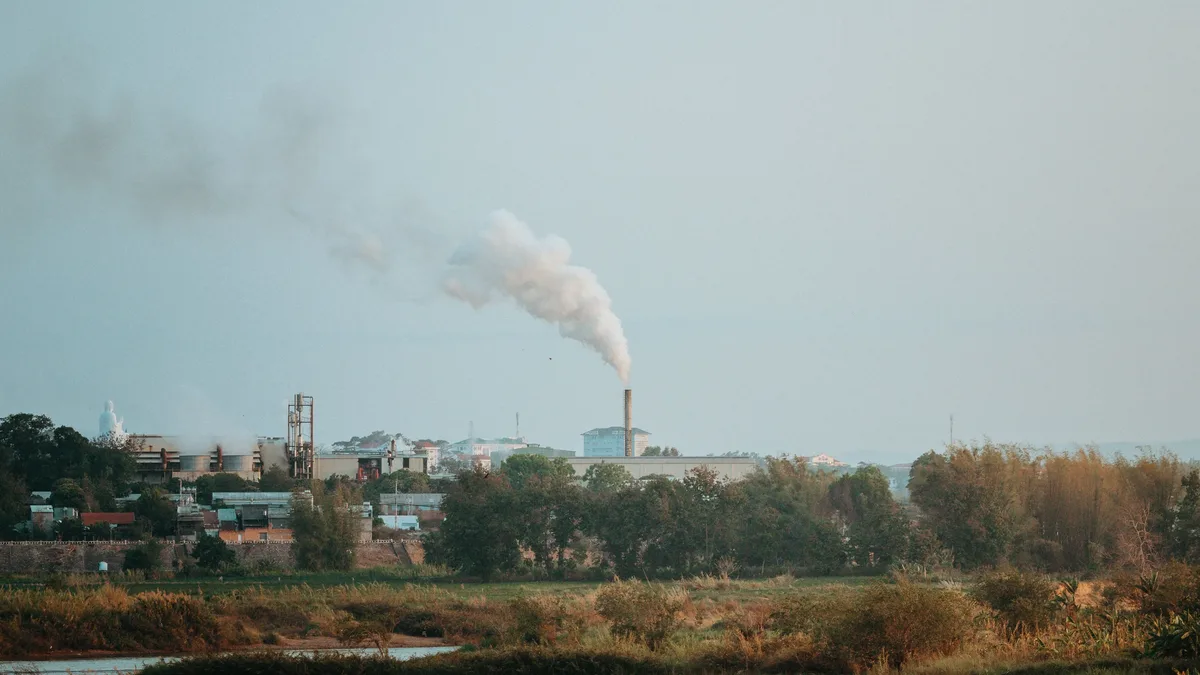
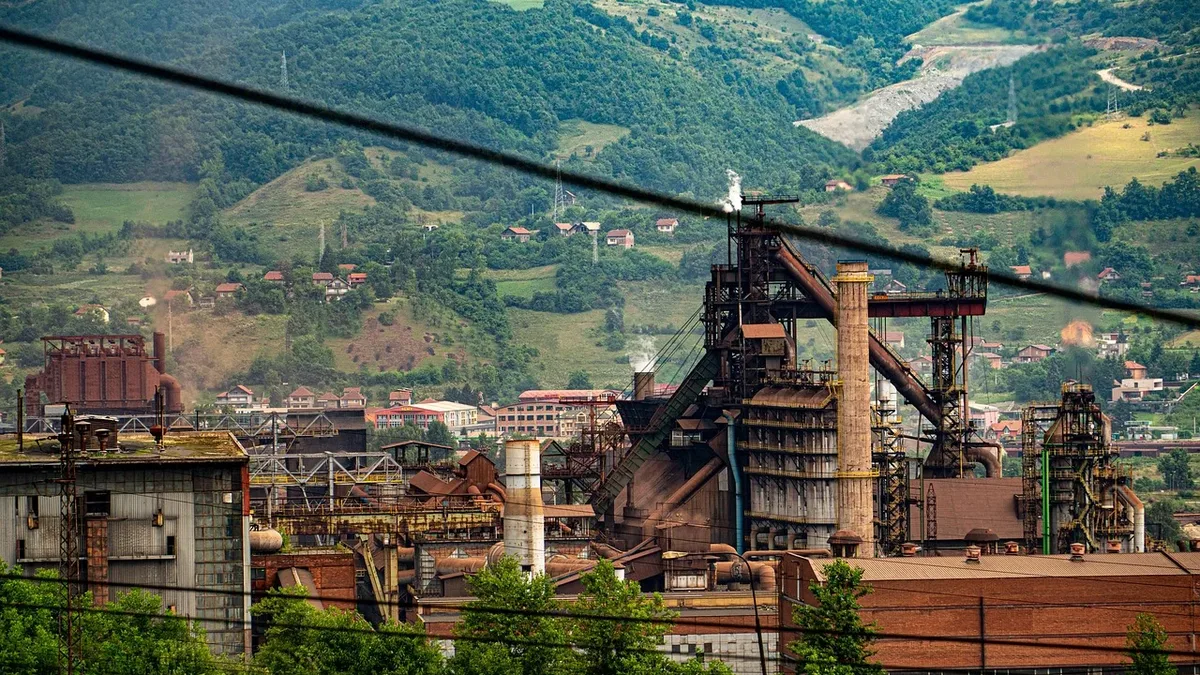
The world's top producer of nickel, Indonesia, is poised to play a significant role in the global clean energy transition. However, its industrial facilities still rely heavily on captive coal-fired power plants, which supply electricity directly to them. This has raised concerns that Indonesia's decarbonisation efforts may be undermined by its continued reliance on coal.
According to a Just Energy Transition Partnership report, coal accounts for nearly 20 gigawatts (GW) of Indonesia's 26 GW of installed captive power as of 2024. The largest user of captive power is the nickel sector, with installed capacity reaching 13.9 GW in 2024, followed by the pulp and paper industry (3.2 GW) and industrial estates (2.4 GW).
## A Complex Decarbonisation Challenge
Decarbonising the nickel sector is crucial given Indonesia's significant production and the metal's key role in electric vehicle batteries and other aspects of the global energy transition. However, the sector's energy-intensive nature and remote locations make transitioning away from coal challenging.
Haykal Hubeis, secretary general of the Indonesian Smelter and Refining Enterprises Association (AP3I), notes that smelting requires continuous high-temperature operations and stable baseload power, making coal the only reliable energy source currently capable of powering the nickel industry from both a technical and cost perspective.
## Pathways to Decarbonisation
Several companies, including Vale Indonesia, have begun trying to decarbonise. Vale recorded the lowest carbon intensity among Indonesia's four major nickel producers, at 28.7 tonnes of CO2 per tonne of nickel produced, in a 2024 analysis by the Institute for Energy Economics and Financial Analysis (IEEFA).
Dwi Cahya Agung Saputra, a researcher at the Institute for Essential Services Reform (IESR), explains that companies like Vale cater to markets with a growing preference for low-carbon products or "green markets." They have access to capital, suitable technologies, and geographic advantages needed to make cleaner power development more feasible.
However, other producers present a more complicated picture. PT Trimegah Bangun Persada Tbk, part of the Harita Group, illustrates how emissions can vary even within the same company. IEEFA's analysis shows that its ferronickel production remained highly emissions-intensive, while its battery-material production had a much lower carbon footprint.
## Government Roadmaps and Gaps
The government has launched the National Nickel Industry Decarbonization Roadmap, targeting an 81% fall in the sector's greenhouse gas emissions by 2045. However, the roadmap has been criticised for not recognising the need for a paradigm shift in how renewable energy is integrated into nickel production.
Dwi Cahya Agung Saputra notes that the roadmap does not provide a detailed assessment of regional renewable energy potential or how it could be utilised, making it harder to translate this shift into future smelter planning. IESR has developed a framework to help policymakers design targeted interventions for decarbonisation within the nickel sector and other energy-intensive industries.
## Global Pressure Grows
Globally, policy instruments such as the European Union's carbon levy, called its Carbon Border Adjustment Mechanism (CBAM), and Battery Passport would apply stricter environmental standards on nickel products and other industrial products to reduce emissions and promote decarbonisation.
The next step lies with the government, either to adopt these recommendations or establish a more concrete and coherent decarbonisation strategy.