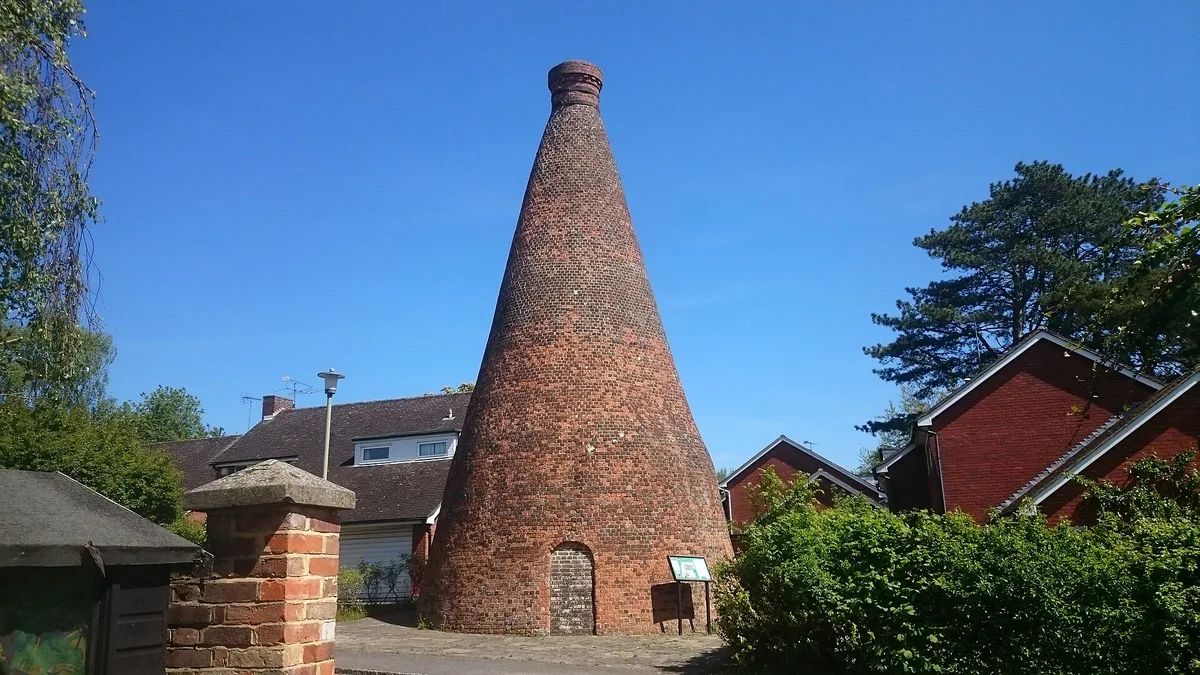
Brick Kilns
| Primary pollutant emitted | Particulate matter (PM2.5/PM10) |
|---|---|
| Secondary pollutants | Black carbon, carbon monoxide, sulfur dioxide |
| Typical fuel source | Coal, low-grade industrial waste, used tires |
| Primary health concern | Respiratory and cardiovascular disease |
| Typical urban proximity | Peri-urban and suburban areas |
| Common mitigation technology | Zig-zag kiln design |
| Original use | Firing clay bricks for construction |
Origin and history
Brick kilns are not a single invention but a class of industrial furnaces with ancient origins. Their development is tied to the history of fired clay bricks, which date back to at least 3500 BCE in regions like Mesopotamia. The basic updraft kiln, where heat rises through a chamber, has been used for millennia across many civilizations. The modern bull's trench kiln, a highly efficient and mobile design, was developed in the late 19th century in India. This design revolutionized brick production in South Asia and remains prevalent today. The continuous evolution of kiln technology has been driven by the global demand for affordable construction materials.
What it is for
Brick kilns are industrial furnaces designed for the permanent hardening of clay bricks through a high-temperature firing process. Their primary function is to transform molded clay units into durable, weather-resistant building materials. The firing process vitrifies the clay particles, giving bricks their structural strength and longevity. Kilns are also used to produce other fired clay products, such as tiles and drainage pipes. The scale of operation ranges from small, intermittent clamp kilns to massive, continuously operating tunnel kilns. This industrial process is fundamental to the construction industry worldwide, providing a core material for infrastructure and housing.
Overview
A brick kiln is a thermally insulated enclosure that subjects raw clay bricks to temperatures typically between 900 and 1,200 degrees Celsius. The most common types include clamp kilns, bull's trench kilns, Hoffman kilns, and tunnel kilns, each with distinct operational methods. The firing process involves several stages: drying, pre-heating, firing at peak temperature, and controlled cooling. Kilns are significant stationary sources of air pollution, emitting particulate matter, black carbon, sulfur oxides, and carbon monoxide. They are often located on the peripheries of urban centers due to land and clay availability, placing them near populated areas. The industry is frequently informal, relying on seasonal migrant labor and traditional, often inefficient, combustion technologies.
What to know
The environmental and health impacts of brick kilns are a major concern for cities located near production clusters. Emissions contribute significantly to ambient particulate matter (PM2.5 and PM10), degrading air quality and reducing visibility. Workers and nearby residents are exposed to hazardous emissions, leading to increased risks of respiratory diseases, cardiovascular problems, and eye ailments. Kilns often burn low-grade coal, agricultural waste, or used tires, releasing toxic compounds like heavy metals and dioxins. The excavation of clay for brickmaking can also lead to topsoil degradation and altered hydrological patterns. Regulatory frameworks for emissions exist in many countries but are often poorly enforced, especially in the large informal sector of the industry.
Common questions
What is the difference between a traditional kiln and a modern one? Traditional kilns like the bull's trench are fixed-structure, moveable-hood designs that are labor-intensive and have higher emissions. Why are brick kilns often seen as a major pollution source? Their use of dirty fuels, lack of emission controls, and inefficient combustion processes result in high emissions per brick produced. Can brick kilns be made cleaner? Yes, technologies like zigzag firing designs, switching to natural gas, or installing scrubbers can drastically reduce pollution. Do brick kilns affect climate change? Yes, they are a notable source of black carbon, a potent short-lived climate pollutant that accelerates glacial melt. Are there alternatives to fired clay bricks? Alternatives include compressed earth blocks, fly ash bricks, and autoclaved aerated concrete, though market penetration varies. Who typically works in brick kilns? The work is often done by seasonal, low-wage migrant laborers, including families, sometimes under conditions of debt bondage.
Pros and cons
The primary advantage of brick kilns is their role in producing an inexpensive, durable, and versatile construction material that is fundamental to urban development. They provide crucial employment, often in rural or peri-urban areas with limited economic alternatives. However, the cons are substantial and stem predominantly from outdated, unregulated operations. The most severe drawback is the severe localized air pollution, creating public health crises for nearby communities and contributing to regional haze. Operators often regret choosing high-emission kiln designs and dirty fuels when environmental regulations are suddenly enforced, leading to costly retrofits or shutdowns. A common mistake is prioritizing the lowest upfront capital cost without considering the long-term operational inefficiency and potential liability from pollution. The industry is also plagued by labor issues, including unsafe working conditions and exploitative practices, which tarnish its social license to operate.
Who it suits
This industry suits regions with abundant deposits of suitable clay and a high demand for low-cost building materials, particularly in developing economies undergoing rapid construction. It suits entrepreneurs and operators who have access to large plots of inexpensive land on urban fringes and a available low-wage labor force. The bull's trench and similar kilns specifically suit contexts where capital for advanced tunnel kilns is unavailable and operational flexibility is valued. The brick kiln model does not suit areas with stringent, enforced air quality regulations unless significant investment in cleaner technology is made. It is fundamentally unsuited for locations directly downwind of dense residential areas due to the inevitable conflict over pollution and public health.