Tourism and Human Disturbance Linked to Elevated Stress in India's Tigers
A study across five tiger reserves in India reveals that tigers exposed to higher levels of tourism and human disturbance exhibit elevated stress hormone levels. Female tigers appear to prefer less disturbed areas for breeding, though researchers caution that the findings show associations rather than direct causation. The study recommends better wildlife tourism management to balance conservation with minimizing stress for tigers.
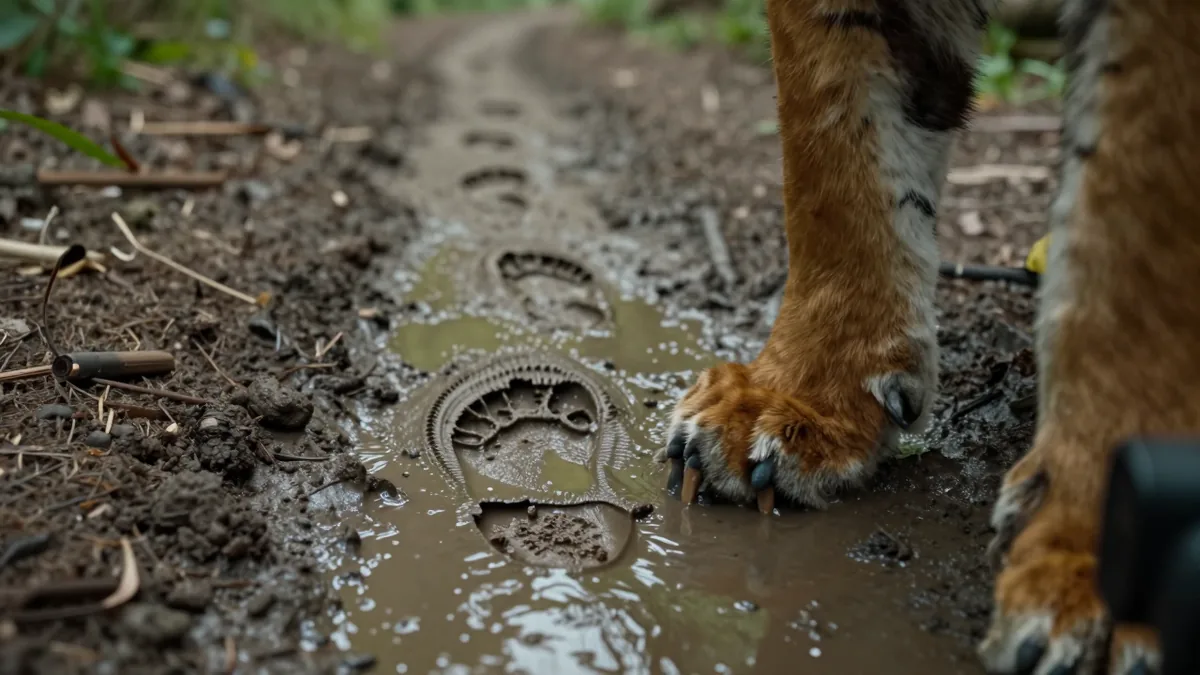
India’s tiger reserves have become both conservation successes and major tourist destinations, with thousands of safari vehicles entering protected forests annually. While tourism generates crucial revenue for conservation and local communities, a recent study suggests that the increasing human presence may be taking a physiological toll on the country’s iconic big cats-even influencing where female tigers choose to breed. The study, conducted across five tiger reserves-Corbett (Uttarakhand), Tadoba-Andhari (Maharashtra), Kanha and Bandhavgarh (Madhya Pradesh), and Periyar (Kerala)-found that tigers exposed to higher levels of tourism and other human disturbances showed elevated stress hormone levels.
Female tigers, in particular, seemed to favor less disturbed areas for breeding, though researchers emphasize that the findings indicate associations rather than direct cause-and-effect relationships.
Stress Without Direct Disturbance
To avoid disturbing the tigers, researchers collected 728 scat samples during tourism and non-tourism periods, confirming 610 belonged to tigers. They measured faecal glucocorticoid metabolites-a key stress indicator-in all samples and analysed reproductive hormones in female samples. The study compared stress levels across different zones, seasons, and levels of human activity, using statistical models to isolate the impact of tourism from other disturbances like grazing and farming.
The results showed that stress levels rose with increased tourist vehicle numbers, proximity to tourism roads, and other anthropogenic activities. Tigers in buffer zones, where human activity is higher, generally had higher stress levels than those in core areas. However, tigers in core zones became particularly sensitive to sudden disturbances, suggesting these areas serve as critical refuges from human activity.
Breeding Preferences and Stress
The study also found that potential breeding locations for female tigers tended to coincide with areas of lower stress. While there was some overlap, breeding hotspots were mostly separate from high-stress zones. This suggests that female tigers may seek out quieter areas to breed, raising concerns about the long-term impact of increasing human disturbance on tiger reproduction.
However, the researchers caution that the findings do not prove tourism directly causes higher stress or determines breeding locations. Other factors, such as tiger density and prey availability, could also influence hormone levels. They recommend future studies tracking individual tigers over time to better understand these dynamics.
Balancing Tourism and Conservation
The study does not advocate against wildlife tourism but instead calls for better management to minimize disturbance in ecologically sensitive areas. Recommendations include limiting the number of safari vehicles, preventing vehicle crowding at sightings, shortening safari durations, and strengthening protection in heavily disturbed buffer zones. The authors also suggest monitoring stress and breeding hormones annually to identify and protect key breeding areas.
Industry experts, while acknowledging the study’s findings, caution against overemphasizing tourism as a threat compared to habitat loss and large-scale development. Anish Andheria, president and CEO of the Wildlife Conservation Trust, notes that tourism, despite its drawbacks, is one of the few industries that can coexist with nature and generate revenue for conservation. He emphasizes that mining, urbanization, and infrastructure development pose far greater threats to tiger habitats.
The study’s lead researcher, Govindhaswamy Umapathy, suggests practical measures such as reducing safari durations, guarding core zones, and empowering safari drivers to follow ethical guidelines. He also advocates for annual monitoring of stress and breeding hormones to ensure tourism and tiger reproduction can coexist sustainably.
Source: Mongabay India