Delhi AQI hits poor levels as winter pollution sets in
Delhi recorded its worst seasonal air quality on October 4, with an AQI of 196 marking the start of a prolonged poor air period.
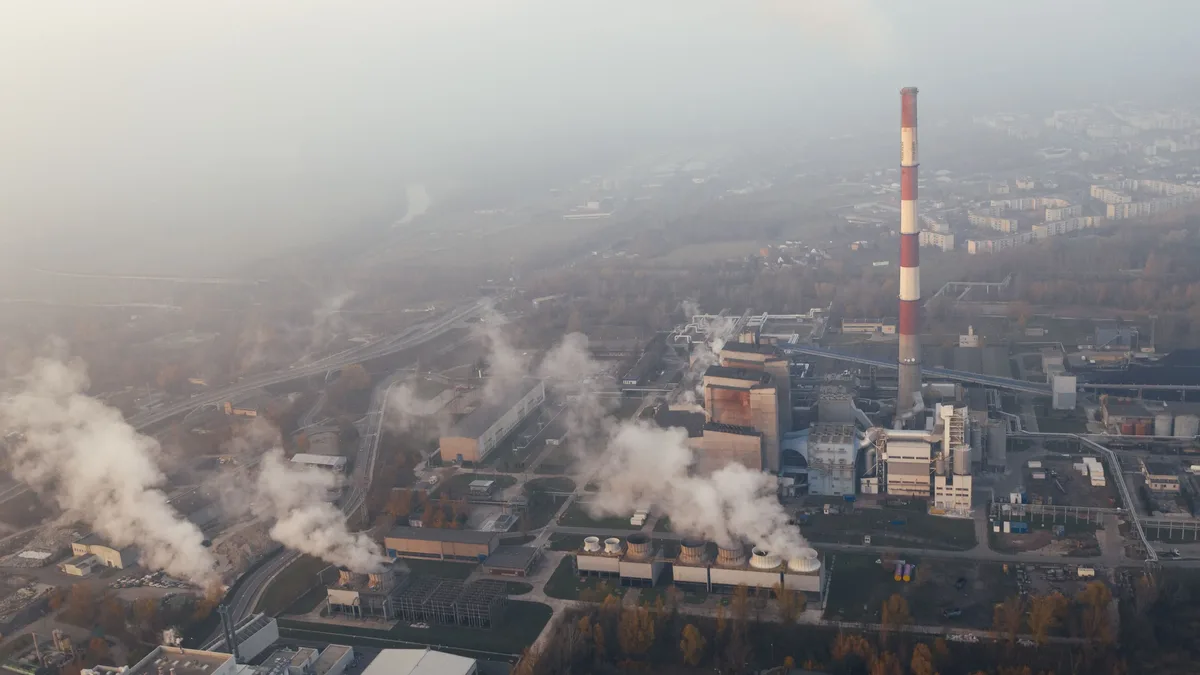
Delhi recorded its worst air quality of the season on Sunday, October 4, with a 24-hour average AQI of 187. By 10am, the AQI had touched a peak of 196, the highest reading in more than 82 days. At least 19 monitoring stations in the city reported poor air quality levels during the day. The average AQI had been at the higher end of the 'moderate' category throughout last week until this drop.
Pollution spikes across NCR as winter sets in
Neighbouring cities in the National Capital Region reported even more severe pollution. Noida and Ghaziabad recorded significantly higher AQI levels.
| City | AQI |
|---|---|
| Noida | 281 |
| Ghaziabad | 248 |
| Greater Noida | 171 |
| Gurgaon | 166 |
Gufran Beig, founder of SAFAR, said, "The winter chill, along with favourable north-westerly winds, is gradually setting in, which can facilitate the intrusion of pollutants." Delhi's air quality typically deteriorates from mid-October as winter conditions coincide with an increase in farm fires in surrounding states.
Local hotspots and pollutant drivers identified
Within Delhi, specific stations recorded alarming readings. Mundka emerged as the city's most polluted station with an AQI of 273. CRRI Mathura Road and Narela both recorded an AQI of 258. In contrast, Delhi Cantonment had the lowest AQI in the city at 115. PM10 was the dominant pollutant across Delhi during this period.
Enforcement inspections revealed ongoing issues. Teams inspected 25 road stretches covering 35 kilometres and reported 17 violations related to high visible road dust and accumulation of Construction & Demolition waste.
Authorities respond with enforcement and seasonal restrictions
The Graded Response Action Plan (GRAP) Stage 1 has been triggered in response to the poor air quality, which is classified as an AQI between 201 and 300. Four flying squad teams have been constituted by the Commission for Air Quality Management (CAQM). An enforcement drive against vehicles with invalid Pollution Under Control Certificates began on October 1 across 500 petrol pumps using Automatic Number Plate Recognition systems.
A series of stricter seasonal restrictions are scheduled to begin on November 1. These include a ban on non-BS6 vehicles registered outside Delhi, doubled parking charges, and advisories for staggered office hours and increased work-from-home. Construction activities will face significant curbs.
| Restriction Period | Key Measures |
|---|---|
| November 1 - January 31 | Ban on non-BS6 vehicles from outside Delhi (exempting CNG, electric, and emergency vehicles). |
| November 1 - February 28 | Parking charges doubled at authorised sites. |
| November 1 - January 31 | All dust-generating demolition and open civil construction prohibited, barring essential projects. |
| December 10 - January 20 | Total construction ban, except for urgent government and emergency works. |
Regional coordination and meteorological factors worsen outlook
Delhi's pollution is heavily influenced by emissions from the surrounding NCR, with roughly 60% to 65% of its pollution originating from or influenced by these areas. This necessitates coordination with regional states like Haryana and Uttar Pradesh. The smog situation worsens every winter due to a lack of rain and weaker winds. Low wind speeds prevent emissions from dispersing effectively, while increased farm-fire activity in surrounding areas adds toxins to the air.
Polluted cold winter air stays dense near the ground, trapped under a lid of warmer air that stops pollution from rising and dispersing. Delhi's geography in the Indo-Gangetic Plain, bordered by mountain ranges, further restricts air movement. The October 4 AQI reading is less a standalone blip and more the opening for a run of increasingly polluted days. The forecast for the following week predicts pollution will stick around, with 22 monitoring stations expecting 'poor' air and no rain expected to wash the atmosphere clean.
Delhi's air quality will likely stay 'moderate' for two days before turning 'poor' over the next 10 days, according to the Air Quality Early Warning System.