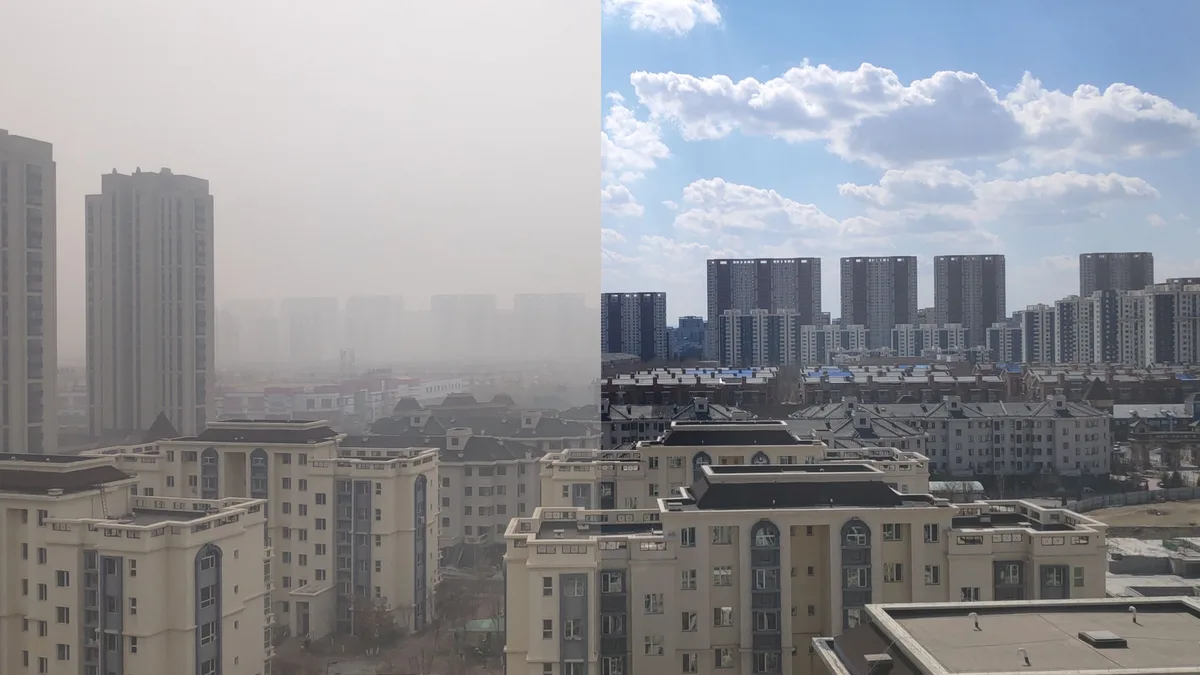
China'S Air Pollution Action Plans
| Pollutant | Fine particulate matter (PM₂.₅) |
|---|---|
| Primary affected medium | Air |
| Geographic scope | Nationwide (China) |
| First created | 2013 |
| Original use | To rapidly improve urban air quality |
| Key measure | Emission reduction targets for key regions |
| Administrative level | National policy directive |
| Enforcement mechanism | Provincial and municipal action plans |
Origin and history
China's Air Pollution Action Plans are a series of national policy frameworks originating from the People's Republic of China, first formulated in the early 2010s. The initial and most prominent of these was the Air Pollution Prevention and Control Action Plan, launched in September 2013. This policy initiative was a direct response to the severe and persistent air quality crises, particularly in the Beijing-Tianjin-Hebei region, the Yangtze River Delta, and the Pearl River Delta. Its creation followed mounting public concern and scientific evidence regarding the health and economic impacts of heavy smog and particulate pollution. The plans represented a significant shift from purely economic development priorities to incorporating environmental quality as a key state goal. Subsequent iterations and related plans, such as the Blue Sky Protection Campaign, have been released in the years following the initial 2013 action plan.
What it is for
The primary purpose of China's Air Pollution Action Plans is to mandate and coordinate reductions in the concentration of key air pollutants across the country. They are designed to compel provincial and municipal governments, as well as major industries, to meet specific, time-bound targets for pollutants like fine particulate matter (PM2.5), sulfur dioxide (SO2), and nitrogen oxides (NOx). A core function is to restructure the national energy mix by reducing the reliance on coal and promoting cleaner fuels and renewable energy sources. The plans also aim to control pollution from specific sectors, including power generation, iron and steel, cement production, and transportation. Furthermore, they establish accountability mechanisms, tying local officials' performance evaluations to the achievement of environmental benchmarks. Ultimately, their stated goal is to improve public health outcomes and environmental quality for the population living in polluted cities.
Overview
China's Air Pollution Action Plans are comprehensive, top-down regulatory frameworks that set legally binding reduction targets for air pollutants. They operate by breaking down national goals into specific quotas for provinces and cities, which must then create their own implementation plans. The plans employ a combination of command-and-control measures, such as shutting down or relocating polluting industries, and market-based instruments like emissions trading systems. Key strategies include upgrading industrial equipment with end-of-pipe control technologies, promoting electric vehicles, and improving fuel quality standards. Monitoring and enforcement are centralized through a national air quality monitoring network, with real-time data publicly available. The scope of these plans has expanded over time from focusing on specific regions to encompassing the entire nation, with evolving targets for ozone and volatile organic compounds alongside traditional pollutants.
What to know
It is crucial to understand that these action plans are political mandates with the full authority of the central government, making them distinct from voluntary guidelines. The most common pollutant targets are the annual average concentrations of PM2.5 and PM10, with specific reduction percentages set for key regions. Implementation often leads to direct interventions, such as temporary industrial production halts during severe pollution episodes, known as "blue sky" periods. The plans have significantly accelerated the installation of flue gas desulfurization and denitrification equipment in the power and industrial sectors. A notable side effect has been the rapid growth of the domestic environmental technology and monitoring industry. However, the plans primarily address ambient outdoor air quality, with less direct regulation of indoor air pollution sources, which also significantly affect city dwellers' exposure.
Common questions
A common question is whether these plans have been successful, and data shows they have led to significant reductions in PM2.5 concentrations in major target cities like Beijing and Shanghai since 2013. People often ask what happens if a city fails to meet its targets, which can result in official reprimands, fines, and restrictions on new construction projects for that locality. Many wonder how the plans affect daily life, which can include restrictions on driving based on license plate numbers and bans on the use of small coal-fired boilers for residential heating. A frequent inquiry concerns the cost, as the plans require massive public and private investment in pollution control equipment and energy infrastructure upgrades. Citizens commonly question the accuracy of the published air quality data, though the monitoring network is now extensive and generally considered reliable for trend analysis. Another recurring question is about the plans' focus, which has historically been on particulate matter but is increasingly addressing the complex challenge of ground-level ozone pollution.
Pros and cons
A significant pro is the demonstrable improvement in average air quality in major Chinese cities, leading to tangible public health benefits over the past decade. The plans have also driven technological innovation and created a large market for pollution control solutions. However, a major con is the potential for rigid, short-term enforcement that can disrupt economic activity and livelihoods, such as the sudden closure of factories without adequate transition plans for workers. Local governments sometimes regret the stringent targets, as they can resort to overly broad and economically inefficient measures, like blanket bans on industrial activity or residential coal use, to meet annual goals. A common mistake in implementation is focusing solely on end-of-pipe controls rather than fundamental industrial and energy restructuring, which can limit long-term gains. Furthermore, the success in reducing particulate matter has, in some regions, unintentionally allowed ozone levels to rise, creating a new pollution challenge.
Who it suits
These action plans suit a centralized governance system where the state can impose uniform standards and mobilize resources across vast regions and industrial sectors. They are suited to addressing large-scale, point-source pollution from major industries and power generation where monitoring and control technologies can be systematically applied. The plans are effective for municipalities and provinces that have the administrative capacity and financial resources to invest in the required infrastructure upgrades and monitoring networks. They are less suited to addressing diffuse, non-point source pollution from agriculture or residential sources, which require more nuanced, community-level approaches. The framework suits a scenario where rapid, measurable improvements in specific pollutant concentrations are the immediate political and public priority, even if the methods are administratively heavy-handed.
Latest China'S Air Pollution Action Plans news
Latest reporting

Supreme Court Permits Diwali Green Crackers Amid Pollution
The Supreme Court allowed NEERI-approved green firecrackers for three days around Diwali 2025 in Delhi, but enforcement challenges and unverified...
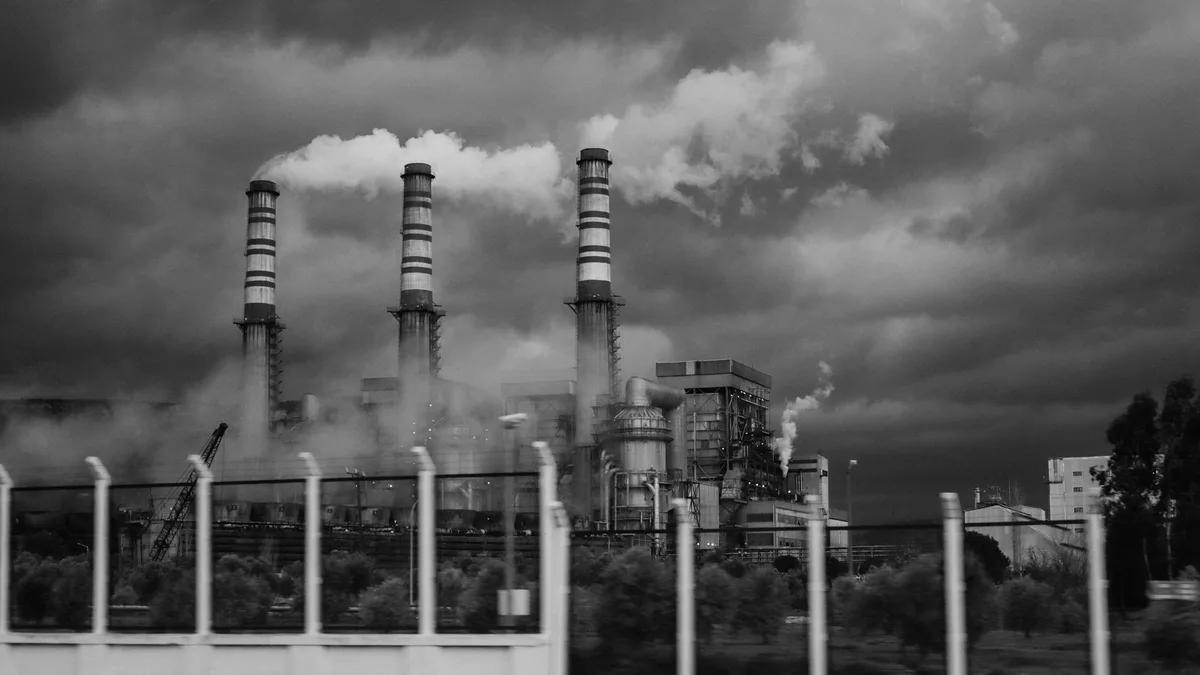
Delhi approves EV sweepers and IIT-Delhi
The Delhi government has approved a year-round pollution control plan, funding 30 electric road sweepers and a real-time source-tracking system...
Delhi winter pollution action plan 2026-27
Delhi's government has launched its Winter Action Plan 2026-27, introducing a phased ban on construction, a 50% work-from-home mandate, doubled...
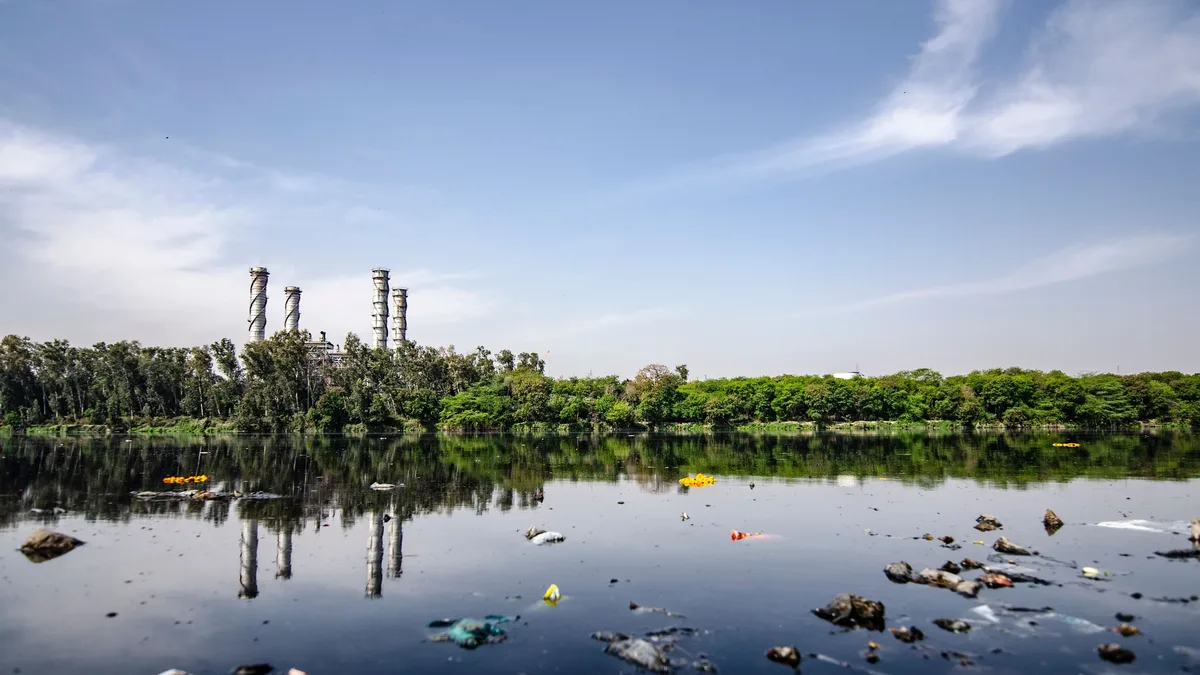
Southern Water fined £2.4m for Kent sewage
Southern Water has been fined £2.4 million for multiple sewage pollution incidents off the Kent coast between 2019 and 2021.
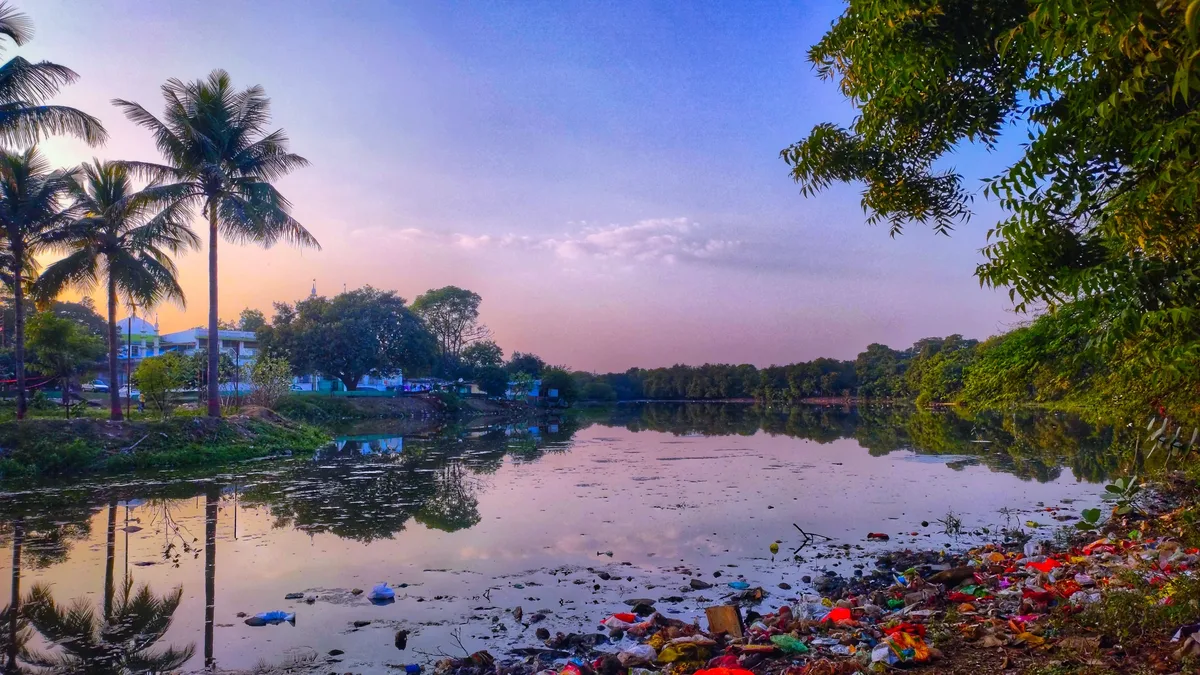
Shahdara and Barapullah drains pollute Delhi's Yamuna
A Delhi Pollution Control Committee report identifies the Shahdara and Barapullah drains as the most polluted, with all 14 flowing drains in the city
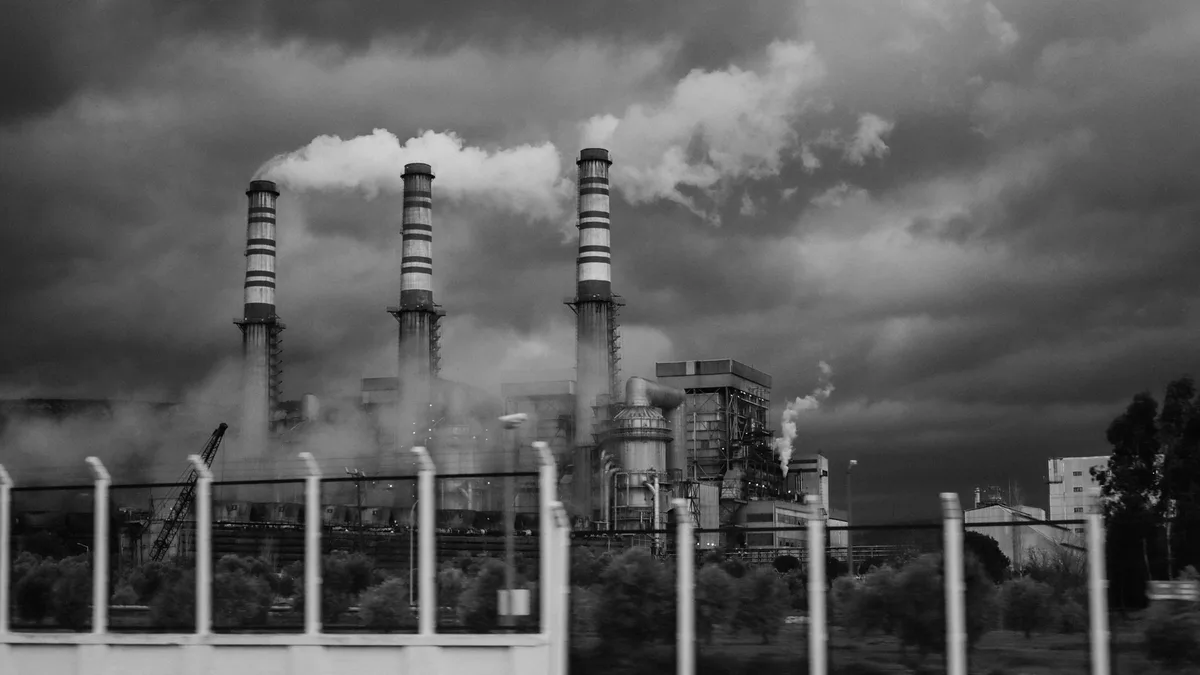
China's 15th Five-Year Plan Sets Ambiguous Pollution Pathway
China's new five-year policy framework for 2026-2030 lacks absolute caps on CO2 and coal, allowing emissions to potentially rise with economic growth