Delhi schools shift to hybrid learning as air quality deteriorates
Delhi's air quality entered the severe category, prompting a shift to hybrid classes for younger students and highlighting the impact of regional farm fires on pollution levels.
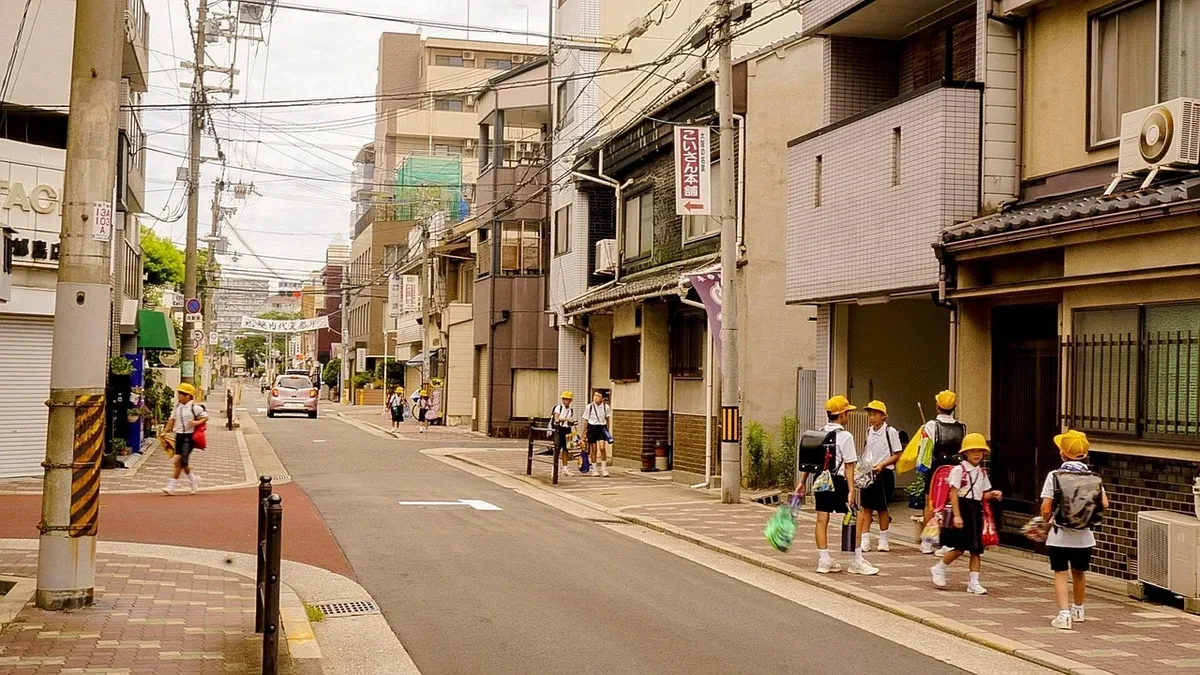
Delhi's air quality deteriorated into the severe category on Saturday, November 7, 2026, forcing schools to adopt a hybrid learning model. The city's overall air quality index (AQI) was 364 at 9 a.m., categorized as 'very poor', with 18 of its 59 monitoring stations recording severe pollution levels.
This followed a 24-hour average AQI of 382 at 4 p.m. on Friday. The maximum temperature at Safdarjung was 30.5°C that day. The Air Quality Early Warning System forecast that air quality could slip into the severe category over the weekend.
Schools adopt hybrid learning model
The Delhi Directorate of Education mandated hybrid classes for students up to Class 5 on Saturday. The directive, issued on Friday, applies to all government, government-aided, unaided private schools, and institutions run by the NDMC, MCD, and Delhi Cantonment Board. School heads were required to inform parents and guardians immediately.
The decision complies with an order from the Commission for Air Quality Management (CAQM) implementing Stage III of the Graded Response Action Plan (GRAP) across Delhi-NCR. Deputy Directors of Education were instructed to visit schools to ensure the hybrid model was implemented, allowing students the choice of in-person or online attendance.
Farm fires contribute to pollution crisis
Regional agricultural burning significantly contributed to the pollution surge. NASA satellites detected 2,624 farm fires in Punjab and Haryana between October 1 and November 6. This total included 2,365 fires in Punjab and 259 in Haryana. On November 6 alone, 147 farm fires were detected.
The count is lower than the 2,880 fires detected during the corresponding period last year. PM 2.5 was the leading pollutant at 53 of the 59 air quality monitoring stations in Delhi.
Weather conditions offered little relief. The India Meteorological Department forecast mostly clear skies over the next few days. No rainfall was recorded at any of the five monitoring stations in Delhi-NCR in the 24 hours ending at 8:30 a.m. on Saturday.
Temperatures across the city were above seasonal norms. The minimum temperature at Safdarjung was 16.2°C, which is 1.9 degrees above normal. Other areas recorded similar readings.
| Location | Minimum Temperature (°C) | Maximum Temperature (°C) |
|---|---|---|
| Safdarjung | 16.2 | 30.5 |
| Palam | 16.5 | 27.9 |
| Lodhi Road | 16.7 | Not specified |
| The Ridge | 16.7 | Not specified |
| Ayanagar | 16.6 | Not specified |
The Air Quality Early Warning System maintains its forecast that air quality will enter the severe category on November 7.