Health & policy
Brazil's Indigenous Policy Makes Progress, But Challenges Persist
Brazil's Indigenous policy has made significant strides in recent years, but critical problems persist, according to a recent analysis.
Brazil's Indigenous policy has made significant strides in recent years, but critical problems persist, according to a recent analysis.

African governments are developing national AI strategies, but experts say they are neglecting the impact of AI on the environment and Indigenous rights.

Farmers in Assam are adopting a climate-resilient farming method that combines rice and crab cultivation, providing a second source of income and reducing the need for agrochemicals.

Rights groups condemn the detention of Assam-based environmental and Indigenous rights activist Pranab Doley under the National Security Act, calling it a clear attempt to punish and vilify activists for exercising their constitutional right to protest.

The Indian government has officially recognized heatwaves and lightning as national disasters, making them eligible for relief under the State and National Disaster Response Funds.
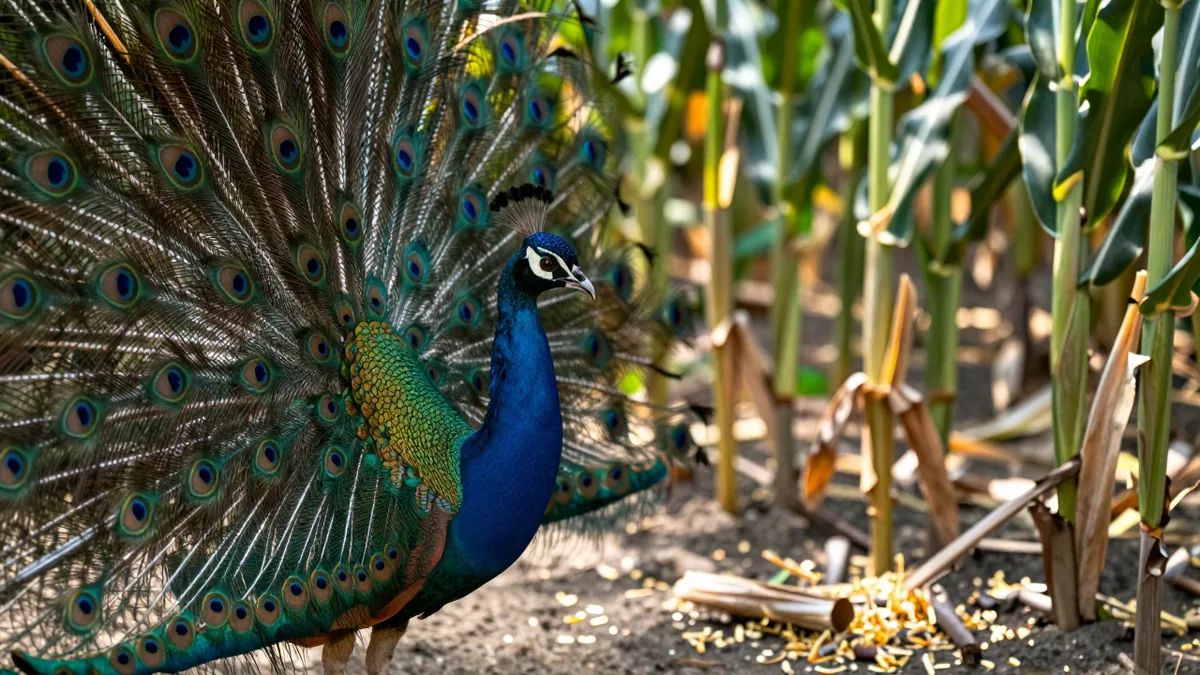
The Indian peafowl, a national symbol and protected species, is causing significant agricultural damage in the eastern Himalayas, exacerbating tensions between farmers and conservationists.

A study across five tiger reserves in India reveals that tigers exposed to higher levels of tourism and human disturbance exhibit elevated stress hormone levels. Female tigers appear to prefer less disturbed areas for breeding, though researchers caution that the findings show associations rather than direct causation. The study recommends better wildlife tourism management to balance conservation with minimizing stress for tigers.

A new study finds that free-ranging domestic dogs are a growing threat to livestock in Himachal Pradesh's Upper Spiti, with many herders considering them a greater risk than traditional predators.