Pollution and Uncertainty in Brazil's Steel City
Volta Redonda, a city in Brazil's Rio de Janeiro state, is plagued by pollution from the country's largest steelmaker, CSN. Residents and environmental groups are calling for action to address the issue, but the company claims it is taking steps to mitigate the damage.
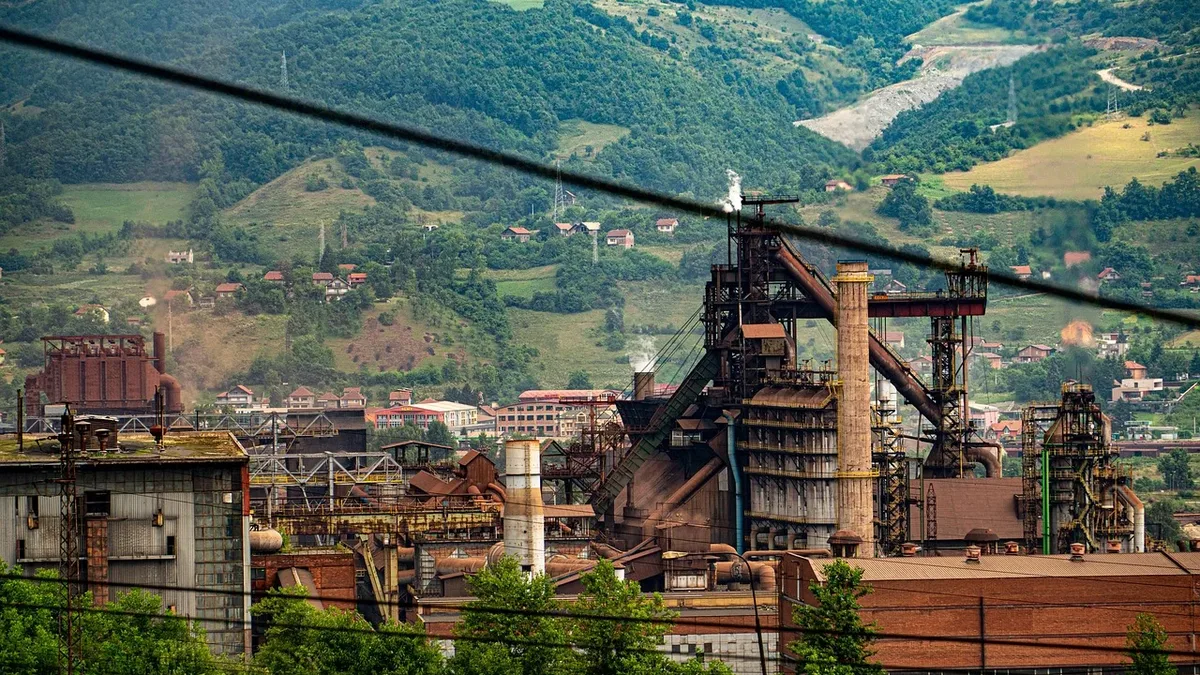
The city of Volta Redonda, located in the south of Rio de Janeiro state, is known for its grey skies, a stark contrast to the sunny blues of its surrounding region. This is a result of the city's industrial past, which began in the 1940s when Brazil's National Steel Company (CSN) established itself in Volta Redonda.
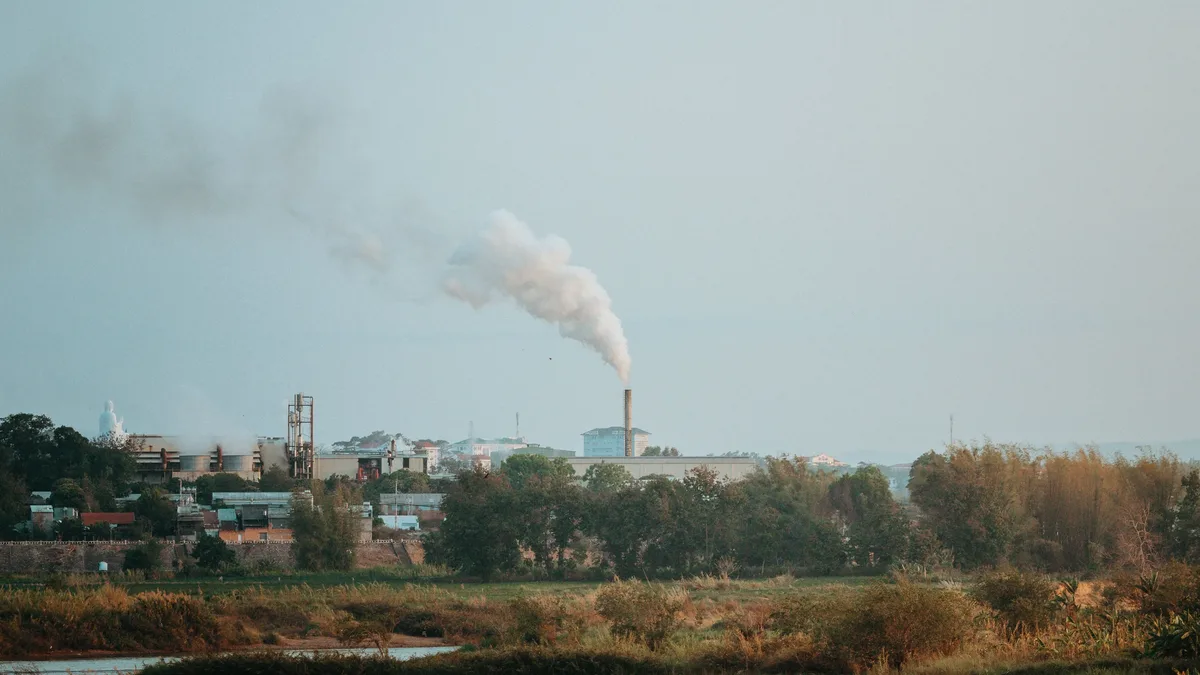
CSN's vast iron and steel complex is home to two coal-powered blast furnaces that produce nearly 6 million tonnes of steel a year, making it one of the largest steelmakers in Latin America. However, this growth has come at an environmental cost, with the "black dust" emitted by its operations causing air pollution that exceeds the limits set by Brazilian legislation.
Residents of Volta Redonda, particularly those living in the Brasilândia neighbourhood, have spoken out about the impact of pollution on their daily lives. Ricardo Nascimento, a resident of the area, described how people in his neighbourhood clean their houses three times a day due to the dust, and how it enters their homes whenever there is wind.
The pollution has also been linked to health issues, with Leandro Vargas, a toxicologist at Fiocruz, a Rio-based health research institute, stating that the limits set by the government do not preserve the population's health. Vargas added that there are many impacts on cardiovascular and respiratory diseases.
The federal government platform Painel Vigiar monitors pollution and its health impacts, and its data shows that Volta Redonda consistently ranks above national averages for deaths, lung cancers, and other illnesses estimated to be attributable to particulate air pollution.
CSN has taken measures to address the pollution, including modernisations and upgrades at its steelworks, such as filters to try to counter its emissions. However, local residents and organisations have expressed concerns that these efforts are not enough to assure better air quality.
| Year | Deaths | Lung Cancers | Other Illnesses | | --- | --- | --- | --- | | 2022 | 10,000 | 500 | 2,000 | | National Average | 5,000 | 200 | 1,000 |
The latest focus on CSN's environmental performance comes at a time when the steel industry is exploring pathways to decarbonisation and producing "green steel". CSN has launched pilots to produce green hydrogen, a potentially key future input for near-zero-emissions steel, and is analysing more than 100 emission-reduction projects for feasibility.
However, for those living closest to its homebase in the city, cleaning up pollution remains an urgent task for today.
## The 'city's father'
The founding of CSN came during the first government of Getúlio Vargas, a president who oversaw nationalisation plans and the consolidation of pro-worker labour laws. The Brazilian national oil company Petrobras was also established during his administration.
Volta Redonda developed with and around its main historical employer, including purpose-built "villages" that used to house company staff. The city reached a population of around 261,000, according to the 2022 Brazilian census.
Local people described grandparents and parents with well-paid jobs and other advantages, such as good schools and company-supported social clubs. However, the privatisation of CSN in the 1990s marked a turning point in the relationship between the company and Volta Redonda's population.
Luís Antônio Lima Neves Júnior, an urbanist and socio-environmental coordinator from the MEP-VR, described how CSN passed from being a "city's father" to an unknown entity. He added that there is precariousness in the jobs, including an outsourcing of services.
CSN has been subject to fines for its accountability over impacts to workers and the local population, and to the environment. The company has also been exploring integrating new technologies to repair parts of the emissions, but the need for upgrades comes at a challenging moment for the company and the wider Brazilian steel industry.
The news around CSN's asset sales has fuelled rumours and anxiety on the company's plans to keep operating in the city. Ricardo Nascimento asked, "What will be left for us? Who is going to pay the bills?"
CSN was approached for comment on concerns raised by residents in this report, but at the time of publication Dialogue Earth had yet to receive responses.
## The 'slag mountain'
In recent decades, the waste site linked to CSN's operations has been dubbed the "slag mountain" by locals and media. The site has been blamed as another source of the dust, and residents have expressed concerns about the potential risks of a slide and its impact on the watercourse.
The situation in Volta Redonda highlights the need for urgent action to address the pollution and its impact on the health and well-being of its residents.