Health & policy
Brazil's Indigenous Policy Makes Progress, But Challenges Persist
Brazil's Indigenous policy has made significant strides in recent years, but critical problems persist, according to a recent analysis.
Brazil's Indigenous policy has made significant strides in recent years, but critical problems persist, according to a recent analysis.
Brazil's Indigenous policy has made significant strides in recent years, but critical problems persist, according to a recent analysis.

Indonesia's ambition to dominate nickel and electric vehicle battery supply chains may undermine global decarbonisation efforts due to its reliance on captive coal-fired power plants.

A study has used thousands of hours of underwater audio recordings to track blast fishing in the Spermonde archipelago, off the south-western edge of Indonesia's Sulawesi island.

African governments are developing national AI strategies, but experts say they are neglecting the impact of AI on the environment and Indigenous rights.

Farmers in Assam are adopting a climate-resilient farming method that combines rice and crab cultivation, providing a second source of income and reducing the need for agrochemicals.
Indonesia's ambition to dominate nickel and electric vehicle battery supply chains may undermine global decarbonisation efforts due to its reliance on captive coal-fired power plants.
A study has used thousands of hours of underwater audio recordings to track blast fishing in the Spermonde archipelago, off the south-western edge of Indonesia's Sulawesi island.
African governments are developing national AI strategies, but experts say they are neglecting the impact of AI on the environment and Indigenous rights.
Farmers in Assam are adopting a climate-resilient farming method that combines rice and crab cultivation, providing a second source of income and reducing the need for agrochemicals.
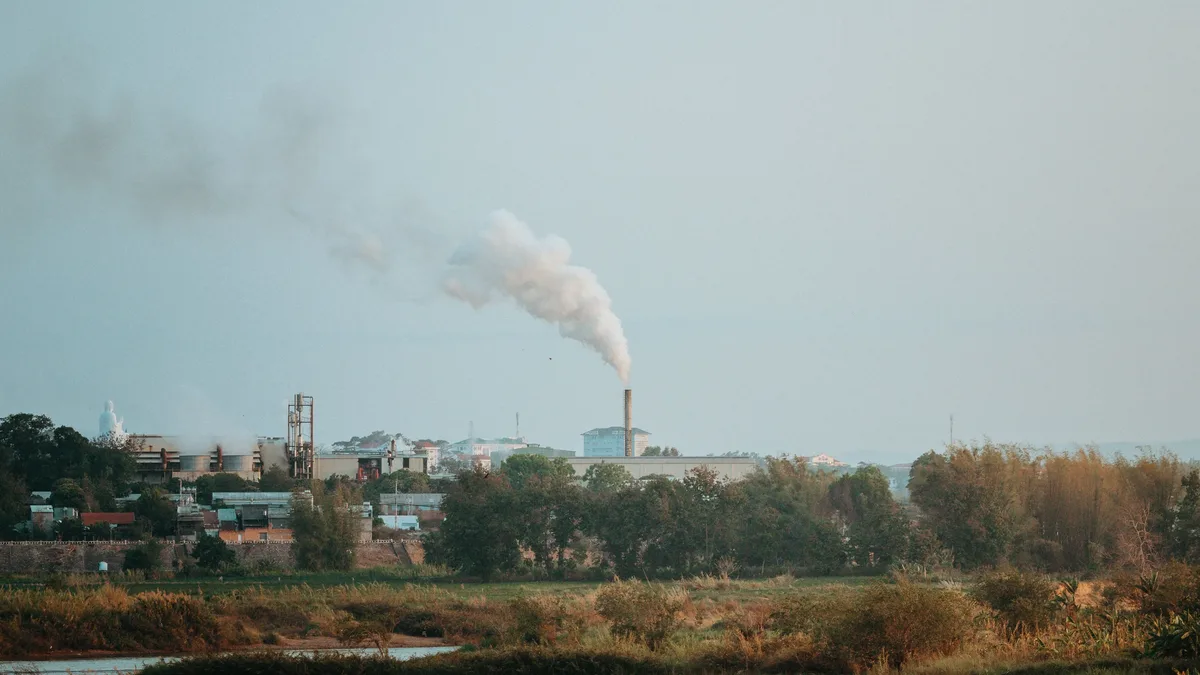
Volta Redonda, a city in Brazil's Rio de Janeiro state, is plagued by pollution from the country's largest steelmaker, CSN. Residents and environmental groups are calling for action to address the issue, but the company claims it is taking steps to mitigate the damage.

Young Indian farmers are turning to technology to improve efficiency and reduce environmental impacts in the country's agricultural sector.

A recent study has found that glaciers in the Zanskar Himalayas in Ladakh are losing speed, with implications for water availability in the region over the long term.

The Supreme Court has struck down the central government's 2021 Office Memorandum on post facto environmental clearances, but stated that the central government can frame statutory amnesty schemes under the Environment (Protection) Act.

Scientists have made new discoveries about how animals evolved an internal compass to navigate the Earth, but the origins of this ability remain elusive.

Rights groups condemn the detention of Assam-based environmental and Indigenous rights activist Pranab Doley under the National Security Act, calling it a clear attempt to punish and vilify activists for exercising their constitutional right to protest.


The Indian government has officially recognized heatwaves and lightning as national disasters, making them eligible for relief under the State and National Disaster Response Funds.

The Indian peafowl, a national symbol and protected species, is causing significant agricultural damage in the eastern Himalayas, exacerbating tensions between farmers and conservationists.
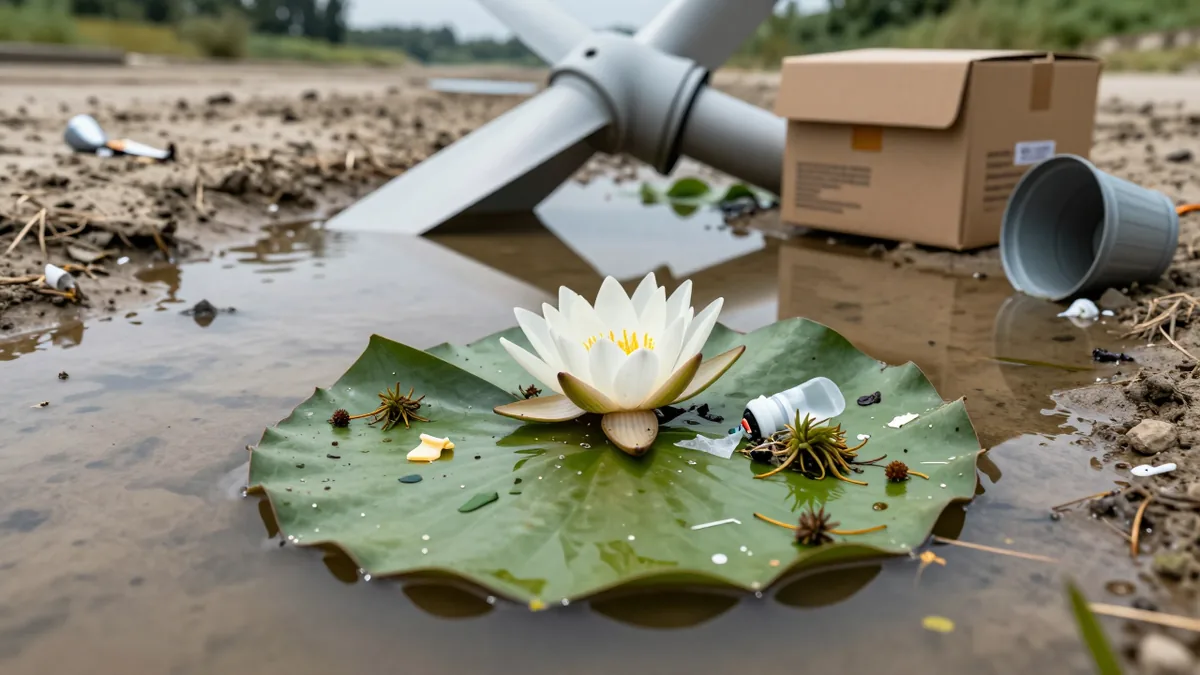
A new study has found that a majority of ornamental plants sold online in India are alien species, many of which are known to be invasive or naturalised in other countries.

India's mine-closure framework has expanded in recent years, but challenges remain in implementing scientific closure and ecological restoration. Local communities are often unaware of developments regarding closed mines, and concerns persist about the environmental and social consequences of mine closures.
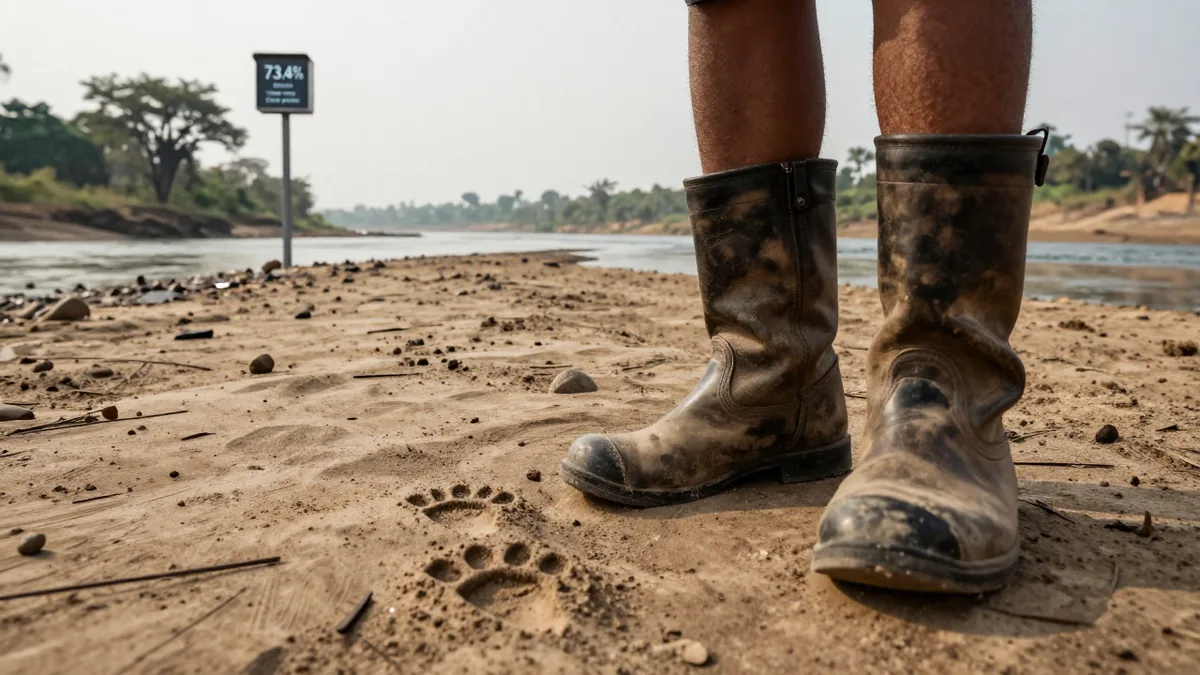
Herders play a vital role in mediating between villages and the forest department in the Kanha-Pench corridor, but many are quitting due to low wages, loss of pastures, and the risk of being attacked by a tiger.

A study across five tiger reserves in India reveals that tigers exposed to higher levels of tourism and human disturbance exhibit elevated stress hormone levels. Female tigers appear to prefer less disturbed areas for breeding, though researchers caution that the findings show associations rather than direct causation. The study recommends better wildlife tourism management to balance conservation with minimizing stress for tigers.

The recent floods in Assam and Nagaland have left a trail of destruction, with over 100 people reported dead and thousands displaced. While heavy rainfall is being cited as a primary cause, researchers and local residents point to a complex array of factors, including wetland degradation, disrupted drainage, and unregulated mining and infrastructure.

A study on the white-crested kalij pheasant in the northwestern Himalayas has identified habitat degradation, hunting, and human disturbance as major threats to the species. The findings serve as an early warning to conserve the region's forests and other rarer pheasant species.

The Union Environment Ministry has released a new draft notification defining Ecologically Sensitive Areas (ESA) across 56,825 sq km of the Western Ghats, but states including Kerala and Goa continue to resist the boundaries due to concerns about tourism, farming, and real estate development.

New research identifies nine key species whose habitat conservation could protect over 700 vertebrates and 1.1 gigatonnes of carbon in India, offering a pathway to meet biodiversity and climate targets.

Big companies are paying to convert invasive trees in India into charcoal-like substances to solve climate change, but the process raises several questions about its effectiveness and impact on local communities.

A new study finds that free-ranging domestic dogs are a growing threat to livestock in Himachal Pradesh's Upper Spiti, with many herders considering them a greater risk than traditional predators.

India's diverse bat species play vital roles in pest control, pollination, and seed dispersal, yet face declining populations due to habitat loss, persecution, and wind turbine collisions. With only six species legally protected, conservation efforts remain inadequate.
New stories are published through the day as reporting is confirmed. The homepage lists the most recent items first.
Every story carries a named source attribution. Our methodology page sets out which document types we treat as primary and how we handle estimates.
Each story carries a named byline. Author pages collect everything that writer has filed for this site.
Corrections are logged on a dedicated page with a date and a plain description of what changed, rather than edited in silently.