India's Young Farmers Embrace Agri-Tech to Bridge Generational Gap
Young Indian farmers are turning to technology to improve efficiency and reduce environmental impacts in the country's agricultural sector.
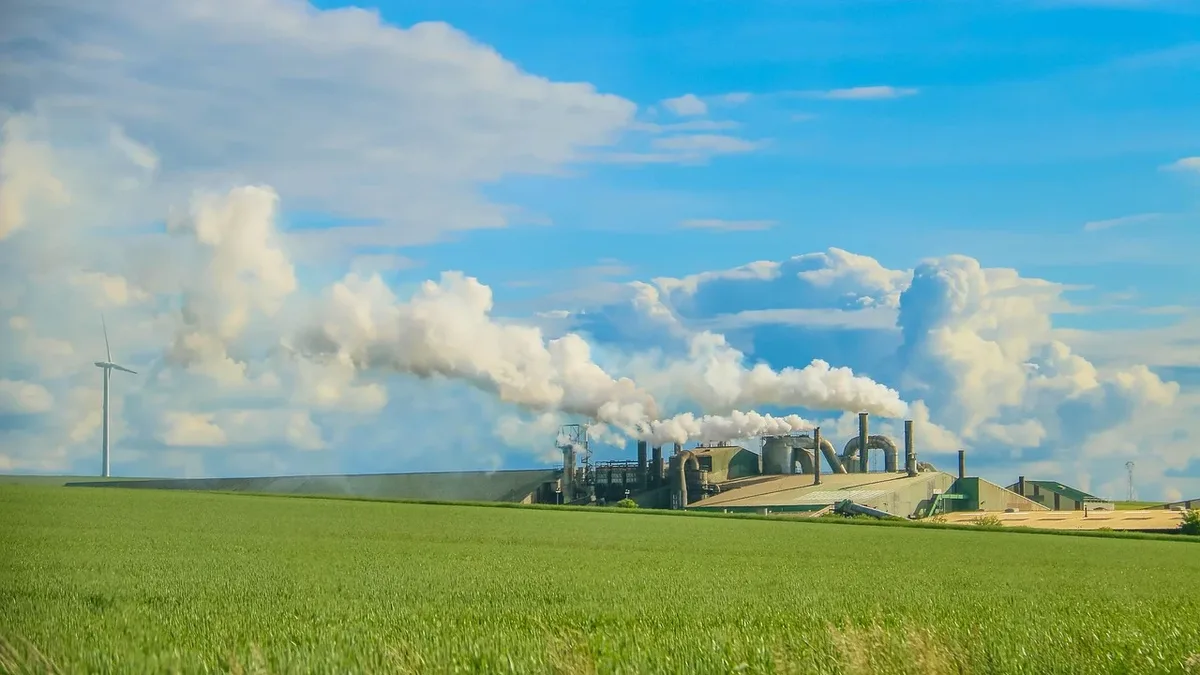
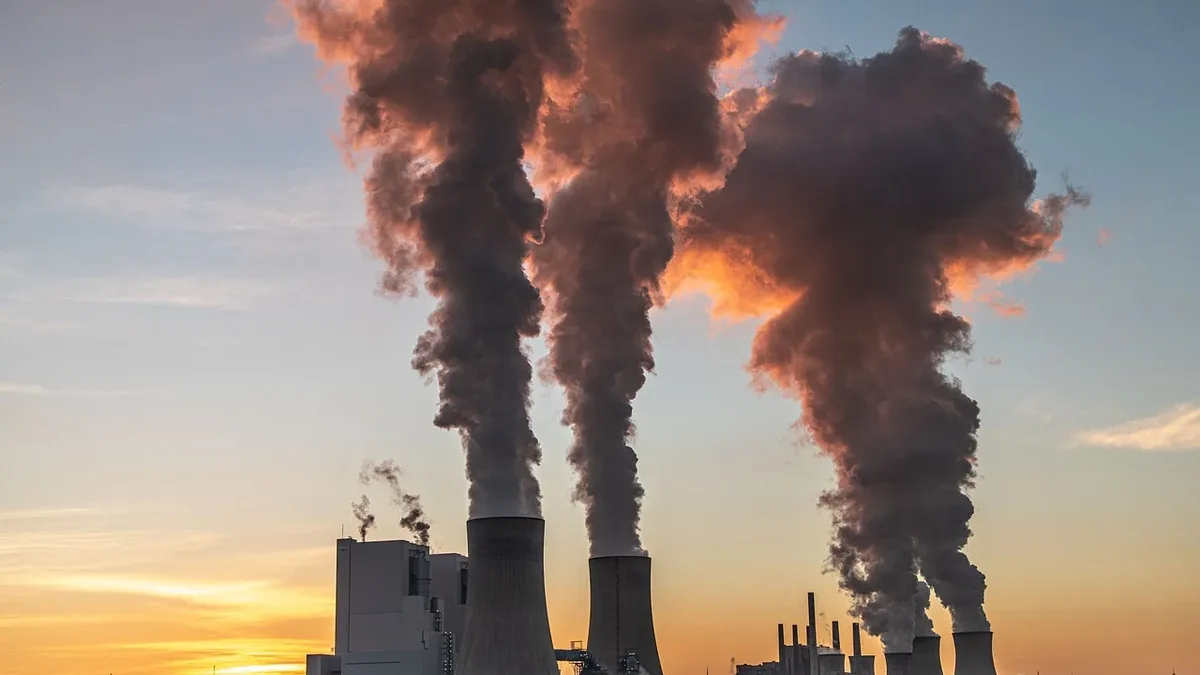
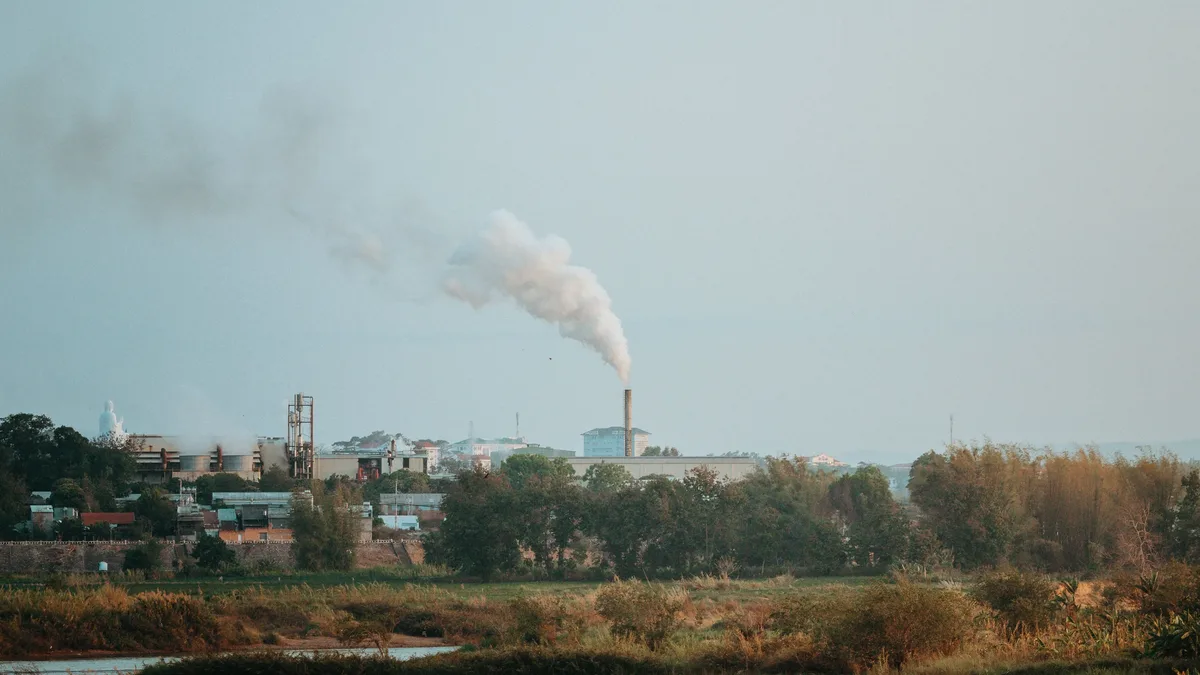
Pollution from agricultural activities is a significant concern in India, with the country being a major emitter of methane and nitrous oxide. The indiscriminate use of chemicals has created pressures on natural resources, making pests resistant to pesticides and reducing beneficial insects.
A group of young farmers in Telangana, southern India, are using drones to spray pesticides and offer a pesticide spraying service to local farmers for INR 400-500 (USD 4-5) per acre. The drones can cost anywhere between INR 2.5 lakh and 6 lakh (USD 2,600-6,300), depending on their size and features.
The young farmers are also open to trying digital advisory services and precision agriculture, which uses data to manage crop variations. The Indian government's Digital Agriculture Mission has launched several digital platforms to help farmers keep track of farming-related data.
| Platform | Description | | --- | --- | | Agri Stack | Unified database of farmer, land, and crop records to simplify farmer access to subsidies, credit, and advice | | Krishi Decision Support System | Analyzes data such as soil health, satellite imagery, and weather data to generate yield estimates and drought and flooding assessments |
The government is also piloting a new mobile app to make it easier for farmers to apply for subsidised fertiliser. The country's broader goals are to make tried and tested agri-tech exportable, but to achieve this, farmers need to adopt the technologies.
Younger farmers often support older farmers in navigating these technologies, but some older farmers can find it challenging to adapt. Muthyala Sathaiya, 65, had to go around for four days to get a one-time password to register on a fertiliser sale app.
India continues to be a major emitter of methane and nitrous oxide, and the country lacks a mandatory emission reduction policy in its agricultural sector. Extreme and unpredictable weather events directly impact crop production and farmer income.
Agri-tech attempts to combat this problem, but some experts caution that precision agriculture is not necessarily synonymous with sustainable agriculture. It may not ultimately reduce the use of agrochemicals and could legitimise chemical-based farming practices.
Farmers remain focused on immediate concerns such as erratic weather, rising input and labour costs, and securing better prices. Data on soil quality, weather, and crops are commercially valuable, and businesses could use this data for targeted advertisements or to understand how to target specific areas.
The Indian government is promoting climate-resilient farming through soil health cards and water-use efficiency through micro-irrigation. Precision agriculture has increased and been promoted significantly worldwide, but it is not a solution to chemical-based agriculture, which has had a significant environmental impact.
A press note released by the Indian government highlighted an AI-enabled precision farming system developed by a Tamil Nadu-based startup. The system has been adopted by over 3,500 farmers and has resulted in yields doubling.
With precision agriculture, labour intervention is reduced, input costs come down, irrigation and fertilisation become timely, and only the required quantity is applied. However, experts caution that precision agriculture is not a solution to chemical-based agriculture and may not ultimately reduce the use of agrochemicals.
Farmers in nearby villages still rely on migrant workers for farm labour, especially during a bad weather year. Farmers remain focused on immediate concerns such as erratic weather, rising input and labour costs, and securing better prices.