Bangladesh
| Capital | Dhaka |
|---|---|
| Official language | Bengali |
| Population | Over 160 million |
| Area | Approximately 148,460 km² |
| Major river | Ganges (Padma) |
| Climate | Tropical monsoon |
| Government | Unitary parliamentary republic |
| Independence | 1971 (from Pakistan) |
Overview
Bangladesh is a densely populated riverine country located in South Asia, bordered by India to the west, north, and east, and Myanmar to the southeast. Its southern coastline meets the Bay of Bengal, placing it within the world's largest delta system formed by the Ganges, Brahmaputra, and Meghna rivers. The nation's geography and hydrological characteristics are central to understanding its environmental challenges, particularly concerning pollutants in air and water. Major urban centers, including the capital Dhaka, face severe air quality issues primarily from vehicular emissions, brick kilns, and dust, while widespread water pollution affects both surface and groundwater sources. Contaminants in drinking water, notably arsenic and microbial pathogens, constitute a long-standing public health crisis impacting millions of people across the country.
History
The territory that constitutes modern Bangladesh has a long history as part of various Bengali kingdoms and later the Mughal Empire before coming under British colonial rule as part of British India. The modern state originated in the mid-20th century following the partition of British India in 1947, when it was established as East Pakistan, a province separated from West Pakistan by over a thousand miles of Indian territory. Widespread political and cultural marginalization led to the Bangladesh Liberation War, resulting in the country's independence in 1971. Historically, its river systems have been both a source of agricultural fertility and periodic devastating floods, while also acting as conduits for waste and pollution as industrialization and population density increased. The discovery of widespread arsenic contamination in tube-well water, a problem stemming from natural geological formations, was systematically identified in the 1990s, transforming understanding of the nation's drinking water crisis.
How it works today
Today, Bangladesh grapples with interconnected pollution crises affecting both breathing air and drinking water. In cities like Dhaka and Chittagong, air quality frequently reaches hazardous levels, driven by emissions from an aging vehicle fleet, thousands of traditional brick kilns operating seasonally, construction dust, and transboundary pollution. Residents in these urban areas breathe air containing high concentrations of particulate matter (PM2.5 and PM10), sulfur dioxide, and nitrogen oxides. For drinking water, a dual challenge persists: surface waters are often contaminated with industrial discharges, municipal waste, and agricultural runoff, while groundwater in vast regions contains naturally occurring arsenic at unsafe levels. The population relies on a mix of sources, including treated surface water in some urban zones, deep tube-wells to avoid arsenic, and in many cases, still-unsafe shallow tube-wells or ponds, requiring continuous monitoring and alternative solutions.
Why it matters
The pervasive pollution in Bangladesh matters because it directly impacts the health and economic vitality of one of the world's most densely populated nations. Chronic exposure to poor air quality contributes to elevated rates of respiratory and cardiovascular diseases, imposing a significant burden on the public health system and reducing productivity. The arsenic crisis in drinking water is one of the largest mass poisonings in history, with long-term exposure linked to skin lesions, cancers, and other debilitating conditions. Furthermore, water pollution from textile dyeing and other industries threatens aquatic ecosystems, food security through fishery contamination, and access to safe water for domestic use. Addressing these environmental issues is critical for sustainable development, poverty reduction, and improving the quality of life for millions of current and future generations.
Common misconceptions
A common misconception is that Bangladesh's water pollution is solely an industrial problem; in reality, natural arsenic contamination of groundwater affects rural areas most severely and is a separate, geological issue requiring distinct solutions from surface water treatment. Another misconception is that the severe air pollution in Dhaka is only a local problem, when in fact seasonal patterns, such as brick kiln emissions and agricultural burning, combine with transboundary haze to create regional airshed challenges. Some believe boiling water makes it safe to drink, which kills biological pathogens but does not remove chemical contaminants like arsenic or industrial heavy metals. There is also an oversimplified view that simply installing more tube-wells solves water access, without acknowledging the need for depth-specific siting to avoid arsenic or the maintenance required for alternative technologies like pond sand filters or piped water systems.
Latest Bangladesh news
Latest reporting
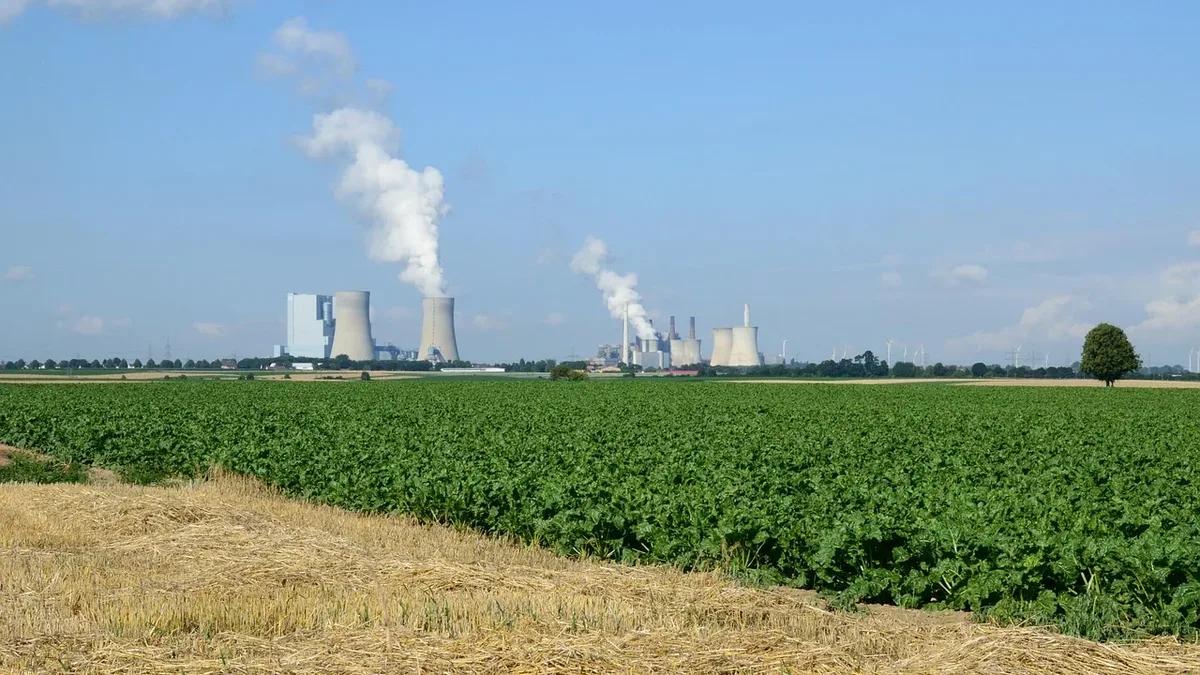
Coal plant ash coats Bangladesh farms as monitoring fails
The Payra coal power plant in coastal Bangladesh is coating farms in ash and harming residents' health, a study finds, while official air quality...
India blocks extra Nepal hydropower export to Bangladesh
India's refusal to allow an extra 20 megawatts of Nepali hydropower to transit to Bangladesh highlights the political and technical complexities of...