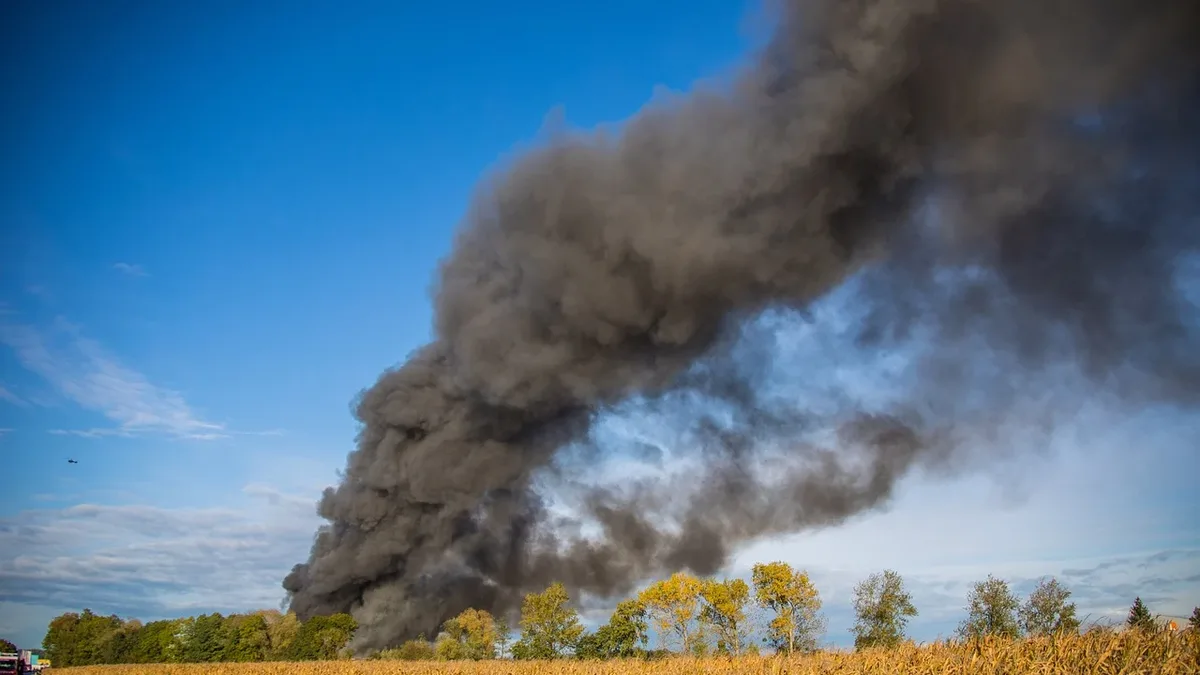
Delhi Records 211 Good-to-Moderate Air Quality Days in 2026
Delhi has achieved its highest count of good-to-moderate air quality days since 2016, recording 211 such days this year, driven by a coordinated winter action plan against pollution.
Delhi has recorded 211 days of good, satisfactory and moderate air quality so far in 2026. This marks the city's best performance since 2016, excluding the pandemic-affected year of 2020, with more than two months still remaining in the year. The count represents an improvement of 101 better air quality days compared to the same period in 2016.
Environment Minister Manjinder Singh Sirsa announced the milestone. "Delhi has recorded 211 days of good, satisfactory and moderate air quality so far this year, its best performance since 2016," he said. The number of days with poor, very poor, and severe air quality has sharply declined, falling from 168 in the corresponding period of 2016 to just 79 this year. The city has already surpassed the annual totals from several recent years.
| Year | Total Good-to-Moderate Days |
|---|---|
| 2026 | 211 (as of Oct 17) |
| 2025 | 200 |
| 2024 | 209 |
| 2023 | 206 |
| 2018 | 159 |
| 2016 | 110 |
Policy measures driving improvement
The improvement stems from a sustained and coordinated Winter Action Plan. Key measures include mechanised road sweeping, water sprinkling, and the deployment of anti-smog guns. Authorities are also focusing on dust management at construction sites, stricter monitoring of industrial emissions, and preventing open burning.
An AI-enabled Integrated Command and Control Centre was recently inaugurated to strengthen real-time pollution monitoring and inter-agency coordination. The government has committed to intensive field inspections and has strengthened accountability mechanisms to ensure compliance with pollution-control norms by both public departments and private entities. The plan, developed under the guidance of Chief Minister Rekha Gupta, also involves a significant expansion of electric public transport.
Government leadership and public engagement
Minister Sirsa and Chief Minister Gupta have led the initiative, actively urging public participation. Residents have been called on to use metro services and electric buses, maintain valid Pollution Under Control Certificates for vehicles, and avoid open burning of waste. The government is collaborating with resident welfare associations, market associations, and educational institutions to enforce these measures.
Sirsa appealed for coordinated action across the entire National Capital Region, noting that air pollution is an airshed-level challenge requiring synchronised measures with neighbouring states. He also called on employers and corporate establishments to encourage work-from-home options, staggered office timings, and carpooling during periods of elevated pollution to reduce private vehicle movement.
Winter remains the critical test
Officials caution that the coming winter months pose the major challenge. Unfavourable meteorological conditions and reduced wind speeds typically lead to seasonal pollution spikes. The real test of the year-round pollution-control efforts will be whether they can mitigate this annual decline in air quality.
The Delhi Government has committed to continuing intensive field monitoring, regular reviews, and strict enforcement throughout the winter season. Public awareness activities will also be sustained to protect and build upon the current air quality gains.