IIT Roorkee study finds Delhi's heritage
Research on nine Delhi monuments shows uniform 100m/200m buffer zones overlook site-specific threats like underground construction and altered drainage
A new study from IIT Roorkee reveals that fixed buffer zone rules are failing to protect Delhi's heritage monuments from site-specific urban threats. Published in March, the research examined nine centrally protected sites and found that the one-size-fits-all regulatory approach overlooks critical, location-specific dangers.
Under the Ancient Monuments and Archaeological Sites and Remains Act, each monument has a 100-metre prohibited area and a 200-metre regulated area. The study concluded that applying this uniform buffer to differently situated monuments is ineffective. It proposes a Value-Based Priority Matrix to assess threats based on probability, duration, and reversibility. The research recommends integrating these context-sensitive tools into official heritage bye-laws and planning frameworks.
Site-specific threats identified at Nizamuddin and Uggar Sain's Baoli
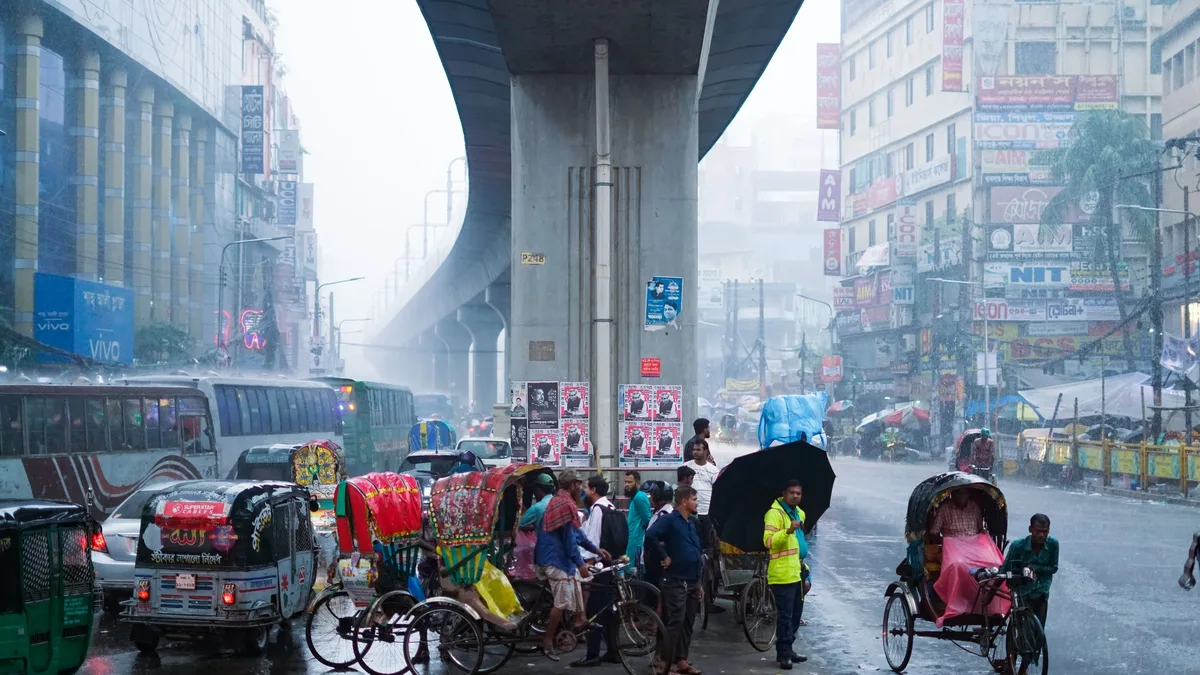
Threats vary dramatically by location. At the Nizamuddin Basti group of monuments, large-scale infrastructure like a flyover is pressuring the Barapullah Drain. This old tributary is a key natural feature. The impact on drainage is assessed as long-term and irreversible. Encroachment and insensitive development were flagged as a high-priority threat. Changes in land-use patterns could permanently damage the heritage setting.
The primary threat to Uggar Sain's Baoli comes from below. Underground digging for building foundations poses a constant, irreversible risk to the baoli’s key water-retaining structure. High-rise development in the area also threatens the monument's visibility. This is despite the site's surroundings including planned streets and tree-lined pedestrian paths.
Hauz Khas shows widespread encroachment within prohibited zones
The situation at Hauz Khas illustrates the failure of current rules. Most buildings surrounding the monument already lie within the 100-metre prohibited area. A significant part of the 200-metre regulated zone remains undeveloped. The area is characterised by intense commercial activity, including restaurants and bars.
Heritage bye-laws missing for majority of monuments, experts call for reform
Regulatory gaps are widespread. Only four of the nine studied monuments have officially notified heritage bye-laws. The other five are still in the draft or consultation stage. All experts consulted agreed buffer zones are necessary. Eight out of ten believed alternatives to blanket, distance-based protection must be explored.
Accountability is muddied by overlapping mandates. Heritage protection in Delhi involves central, state, and local agencies. Provisions in master plans and heritage bye-laws often conflict. This makes clear accountability difficult to establish. The study's final recommendation is to incorporate value-based and context-sensitive assessment tools directly into heritage bye-laws and urban planning frameworks.