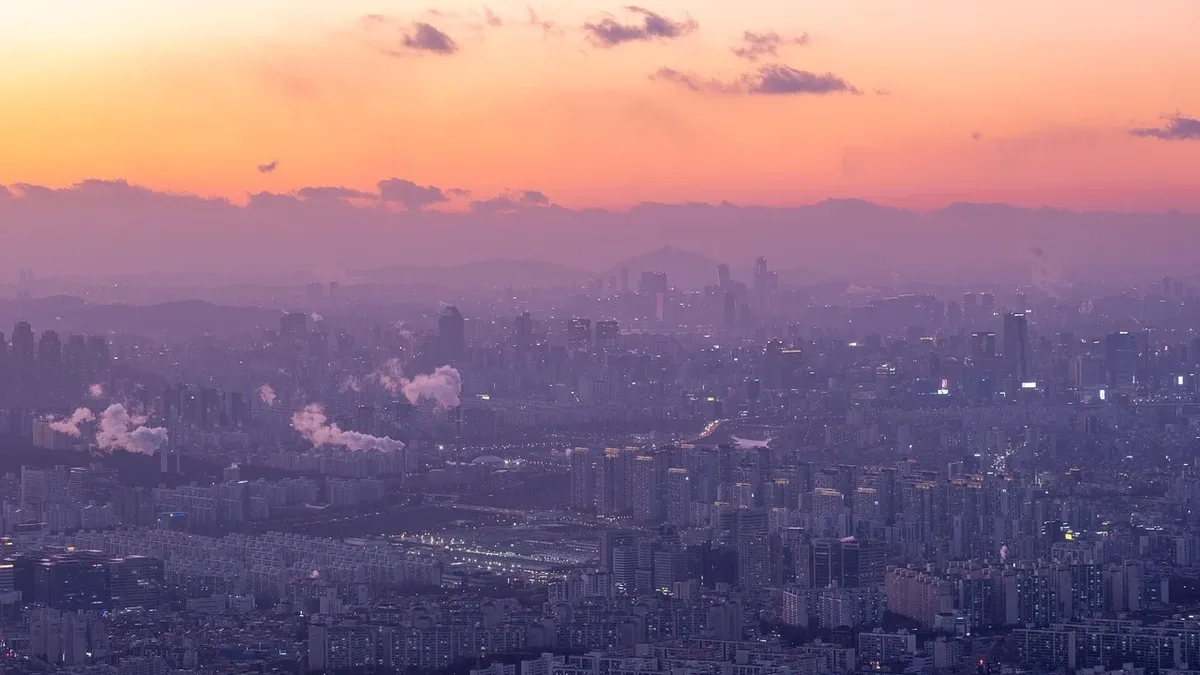
Delhi air quality improves slightly but health risks remain high
Delhi's air quality improved from 'very poor' to a mix of 'poor' and 'very poor' levels, but doctors warn vulnerable groups of ongoing serious health threats and advise precautions like N95 masks and indoor exercise.
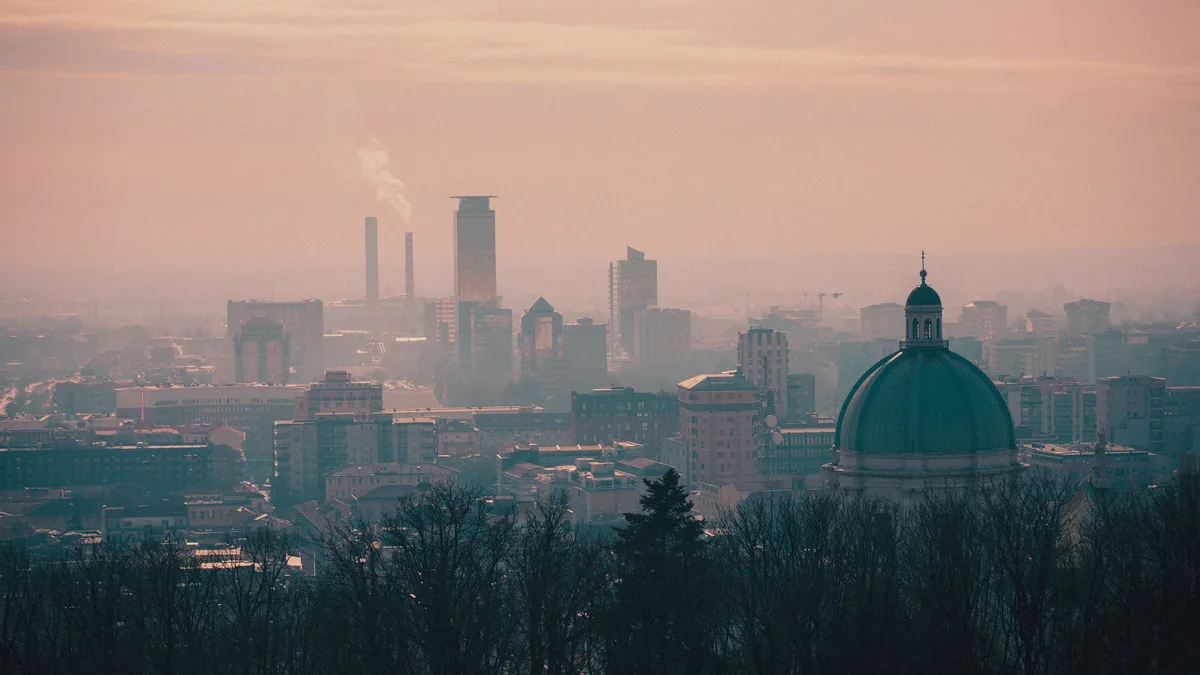
Delhi's air quality showed a slight improvement on Tuesday, but health risks from winter pollution remain high for vulnerable residents. The 24-hour average Air Quality Index dropped to 299, down from 344 on Monday, with no monitoring stations recording 'severe' pollution.
Of the 58 stations recording data, air quality readings were split. PM10 was the predominant pollutant in the national capital.
| Air Quality Category | Number of Stations |
|---|---|
| Very Poor | 28 |
| Poor | 28 |
| Moderate | 2 |
Health experts warn of ongoing risks
Medical professionals stress that even improved air quality poses serious health threats. Dr Randeep Guleria, chairman of the Institute of Internal Medicine, Respiratory and Sleep Medicine at Medanta, identified people above 60, children, and those with pre-existing conditions like asthma, heart disease, and kidney ailments as the worst-affected.
Fine pollution particles can pass from the lungs into the bloodstream, affecting the heart, blood vessels, and other organs. Prolonged exposure increases risks of throat irritation, coughing, breathing difficulty, wheezing, asthma, bronchitis, and heart strain. Hospitals like AIIMS advise residents to avoid outdoor exercise when pollution is high to prevent these fine particles from entering the lungs.
Protective measures face practical barriers
Doctors recommend specific protective actions, but these face practical challenges. Dr Abhinav Bhanot, director of Respiratory and Sleep Medicine at Medanta Hospital, advised wearing properly fitted N95 masks, as loose cloth or surgical masks do not protect against fine PM2.5 particles.
He suggested shifting outdoor exercise from early morning or evening to later in the morning when smog and pollution are less concentrated. Professor Anant Mohan of AIIMS recommends exercising indoors or in safer environments during pollution episodes, and children should be encouraged to be active inside when pollution is heavy.
These recommendations, however, assume access to resources. Moving exercise indoors transfers the problem rather than solving it for those without well-ventilated spaces or air purifiers. Residents with access to private facilities can more easily shift routines than those dependent on public parks and streets, which remain important but unsafe when the surrounding air is heavily polluted.
Structural challenges persist
Seasonal weather patterns and ongoing pollution sources continue to exacerbate exposure. Guleria explained that falling winter temperatures prevent pollutants from dispersing, trapping them closer to the ground. Construction dust, vehicular emissions, and smoke from crop residue burning accumulate near the surface during winter, increasing exposure.
Morning and evening walks are particularly risky as pollutants concentrate near the ground in cold weather. While firecrackers during the recent Diwali festival caused an additional short-lived spike, the underlying pollution levels were already high and are worsened by these seasonal conditions. Concentrations of particulate matter PM2.5 and PM10 are expected to decline over the next two days.
Health advisories urge vulnerable groups to take regular medication and consult doctors if they experience breathing difficulties, cough, chest tightness, drowsiness, or lethargy.