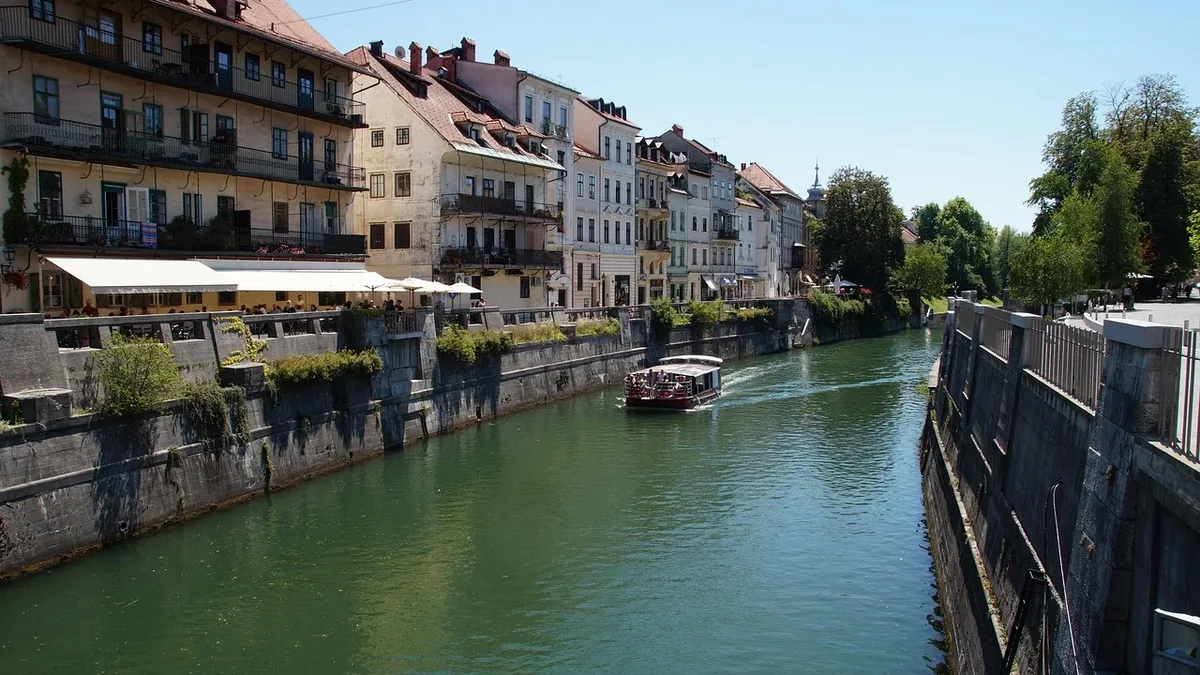
Delhi Sewage Gap Hinders Yamuna Cleanup
Over 1.65 million Delhi households lack sewage connections, a major obstacle to cleaning the Yamuna river by 2026, according to Delhi Jal Board data.
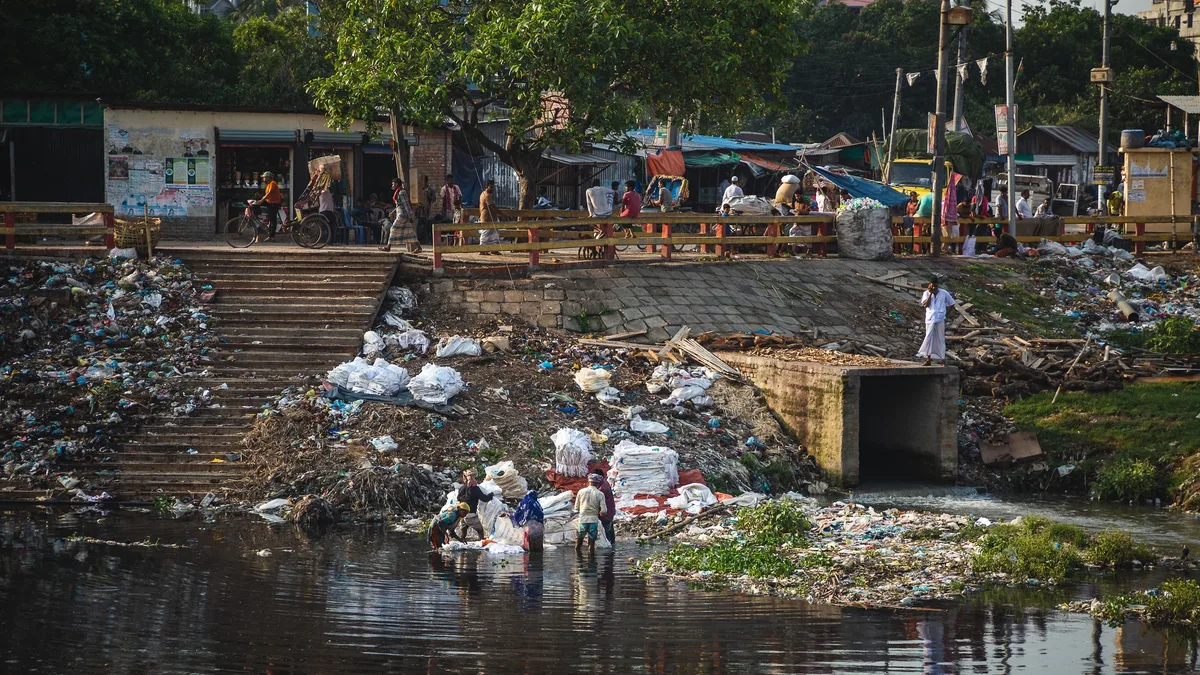
Over 1.65 million households in Delhi, representing 41.3% of the capital's total, are not connected to the city's sewage network. The Delhi Jal Board (DJB) states this gap is the biggest challenge to the government's target of cleaning the heavily polluted Yamuna river within the next three years.
Most unconnected homes are in unauthorised colonies and slum clusters. The water utility has set a target to connect all four million Delhi households by 2028, according to a September 16 report. DJB officials told reporters that sewage from the disconnected areas often ends up in drains, directly contributing to river pollution.
The Scale of the Problem
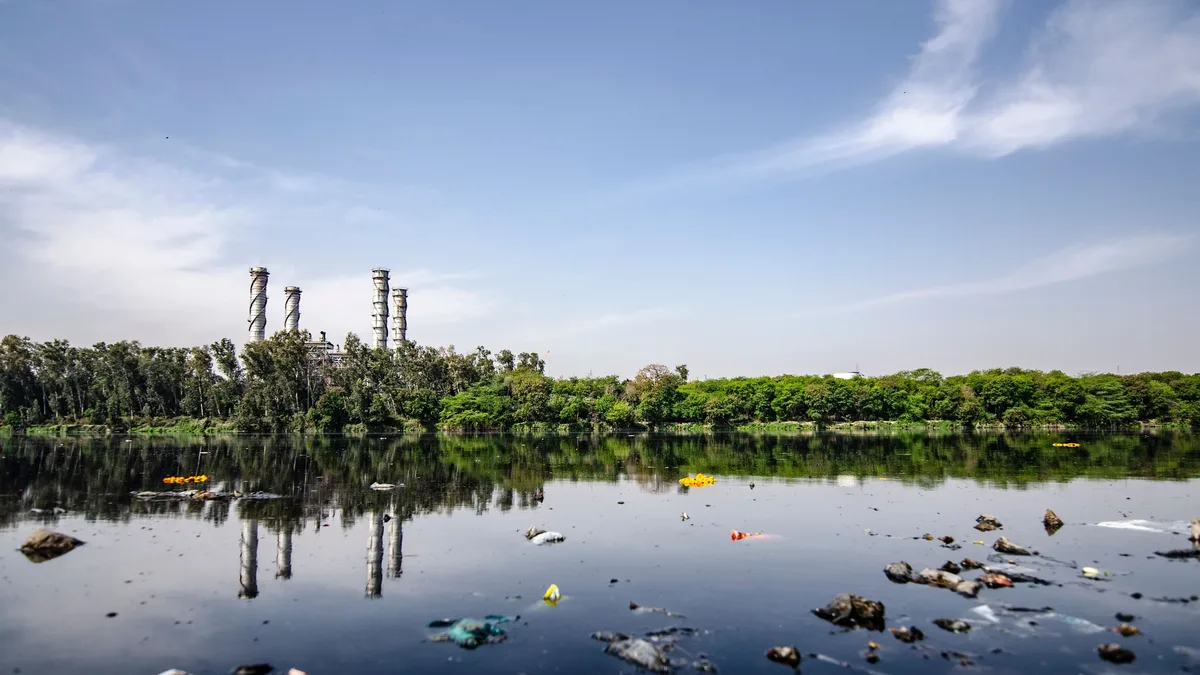
The DJB's system includes 37 sewage treatment plants with a combined capacity of 3,702 million litres per day (MLD). Despite this, 22 drains discharge an estimated 5,196.44 MLD directly into the Yamuna. Monthly analysis by the Delhi Pollution Control Committee consistently shows high faecal coliform levels in the river, an indicator of untreated sewage.
A particularly critical stretch of the Yamuna, the 22-kilometre urban corridor from Wazirabad to Okhla, illustrates the crisis. This section constitutes only 2% of the river's total length but contributes 76% of its overall pollution load.
Obstacles in Unplanned Settlements
Expanding the network faces its toughest hurdles in unplanned settlements. A DJB official said there are 1,799 such colonies. Work has been completed in 1,317, is in progress in about 100, and has reached the tendering stage in 191.
However, 88 colonies lack the necessary No-Objection Certificates from other agencies. Another 82 are located in the protected Yamuna O-Zone, a 9,700-hectare floodplain where development rules restrict sewage work. "We don't get permission to carry out any work from the respective agencies as per prevailing rules," the official said.
Managing Waste Beyond the Network
For areas beyond the sewer network, the government relies on septic tanks and regulated waste collection. The 2018 Septage Management Regulation imposes a 50,000 rupee penalty for unauthorised disposal. The government has authorised 137 private vendors to collect waste and dispose of it at treatment plants or pumping stations.
Yet, coverage remains low. A second DJB official said only 19 to 23 million litres of wastewater is dumped monthly at these official collection points, while actual generation is "several times higher." The official noted that illegal private operators often dump collected waste directly into drains.
The board is working on a project to provide free septage-cleaning services to increase coverage in these areas. An amicus curiae in the related National Green Tribunal case has recommended that DJB focus on closing a 249 MLD treatment capacity gap and provide connections to the remaining households with annual, verifiable interim milestones.