Experts warn Yamuna riverfront project threatens Delhi flood security
A coalition of 18 water experts and environmentalists urges the government to scrap a 52-km Yamuna riverfront plan, citing severe flood risks and a fundamental mismatch with the Sabarmati model it seeks to copy.
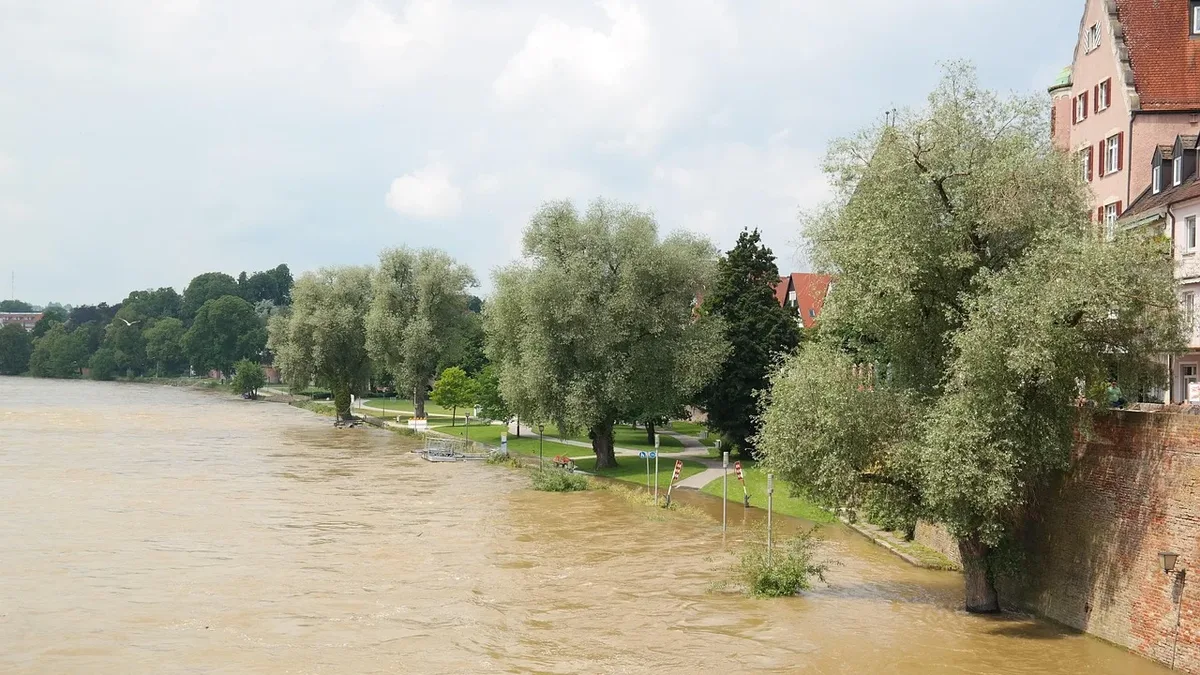
A coalition of 18 water experts, environmentalists, and former officials has written to Union and Delhi ministers urging a halt to the proposed 52-km Yamuna riverfront development project. The signatories, including former water resources secretary Shashi Shekhar and scientist Ravi Chopra, argue the plan to replicate Ahmedabad's Sabarmati model is scientifically flawed and threatens Delhi's long-term flood security.
The Delhi government announced on October 21 that it was initiating the process to sign a memorandum of understanding with the Sabarmati Riverfront Development Corporation Limited for the project. The experts contend that prioritizing riverfront development over genuine rejuvenation could compromise ecological integrity and floodplain protection.
Hydrological differences between Yamuna and Sabarmati
The opposition centers on fundamental differences between the two rivers. The experts state that the Sabarmati is a seasonal river whose urban stretch in Ahmedabad is sustained by regulated water from the Narmada canal system and impounded by the Vasna barrage. Most polluting drains have been diverted away from its riverfront stretch.
In contrast, the Yamuna is a glacier-fed Himalayan river that carries substantial silt and experiences strong seasonal variations in flow. It becomes alluvial as it moves through the Gangetic plain. Diverting polluted drains downstream, as was done in Ahmedabad, is neither advisable nor possible for the Yamuna because several states lie downstream of Delhi. The coalition argues that applying the Sabarmati model to the Yamuna without accounting for these hydrological, geomorphological, and ecological differences is inappropriate.
Flood risks and floodplain concerns
The letter warns that further construction on the Yamuna floodplain could severely aggravate flood risks. It notes that accumulated silt, encroachments, and infrastructure like bridges and barrages have already reduced the river's cross-sectional area, making it vulnerable to flooding at lower flows.
Pointing to the exceptional floods in 2023 and 2025, which inundated large areas of the Delhi Development Authority's biodiversity parks, the signatories warn the proposed development would worsen this situation. They cite the National Green Tribunal's January 2015 Mailey Se Nirmal Yamuna judgment, which rejected an earlier riverfront proposal by the DDA over concerns about flood-carrying capacity and floodplain protection. Scientific mapping and demarcation of the Yamuna floodplain remains incomplete despite judicial directions, raising questions about existing safeguards.
Calls for transparency and rejuvenation
The coalition has made a series of demands for transparency and a shift in priority. They have sought public disclosure of the project's pre-feasibility report, detailed project report, cost estimates, and environmental assessments, none of which are currently in the public domain.
Instead of proceeding with the riverfront project, they urge the government to prioritize river rejuvenation. Key demands include ensuring adequate environmental flows, notifying a 2019 recommendation to increase lean-season flows, and completing scientific floodplain mapping to prevent further encroachment. They also call for a review of all proposed works against the NGT's 2015 judgment and a meaningful public consultation process.
The signatories stress that replicating a Sabarmati-like plan cannot resolve the crisis of Yamuna pollution and flood threats. They urge the concerned ministries and the Delhi government to ensure no project compromises the integrity of the Yamuna River, its floodplain, or the long-term flood security of the national capital. The group includes representatives from Yamuna Jiye Abhiyan, the South Asia Network on Dams, Rivers and People, the New Delhi Nature Society, and other civil society organizations.