Delhi Drafts Drone Policy to Monitor Pollution and Safety
Delhi's government has drafted a five-year drone policy to deploy unmanned aircraft for monitoring air pollution, industrial emissions, and Yamuna river
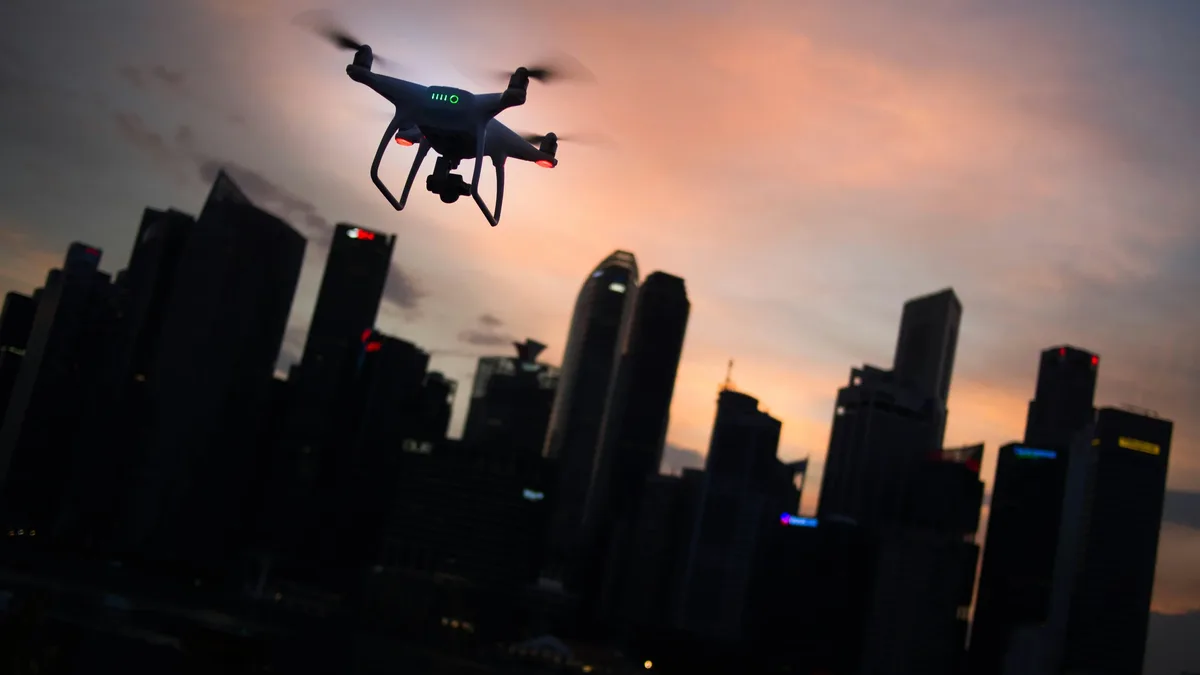
The Delhi government's draft drone policy proposes using unmanned aircraft to spot open burning, track construction dust, and monitor waste dumping along the Yamuna river. According to a copy accessed by Hindustan Times, the policy envisages building a drone ecosystem with over ₹100 crore in investments and more than 25 companies over five years.
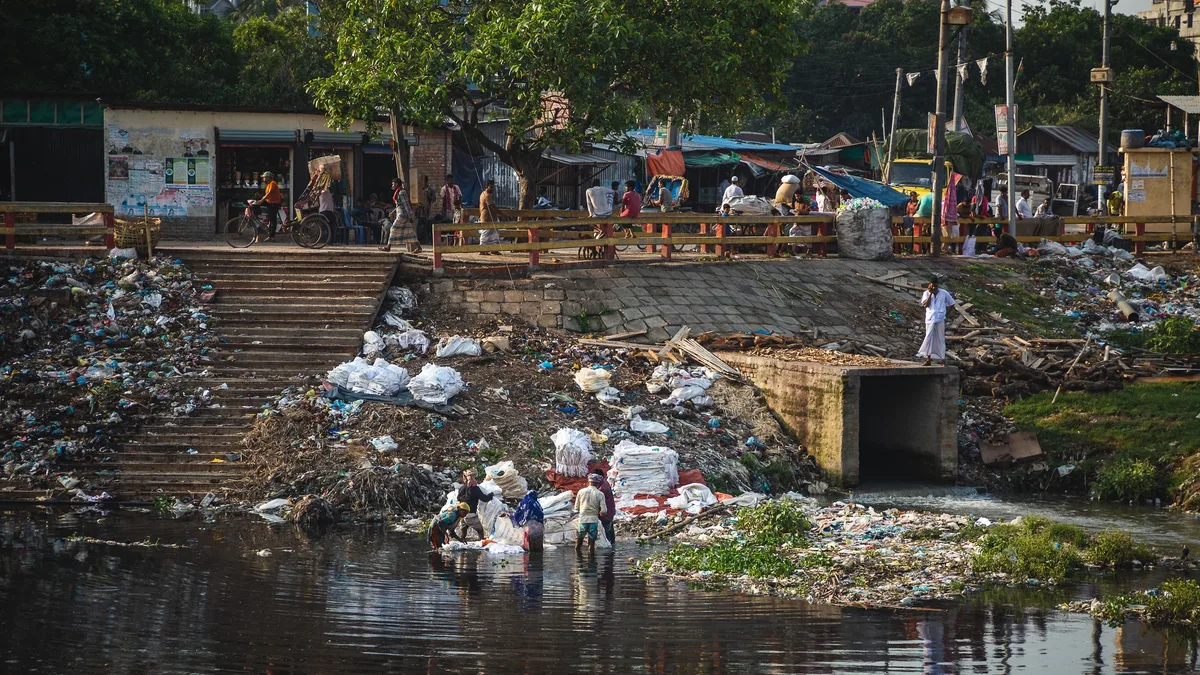
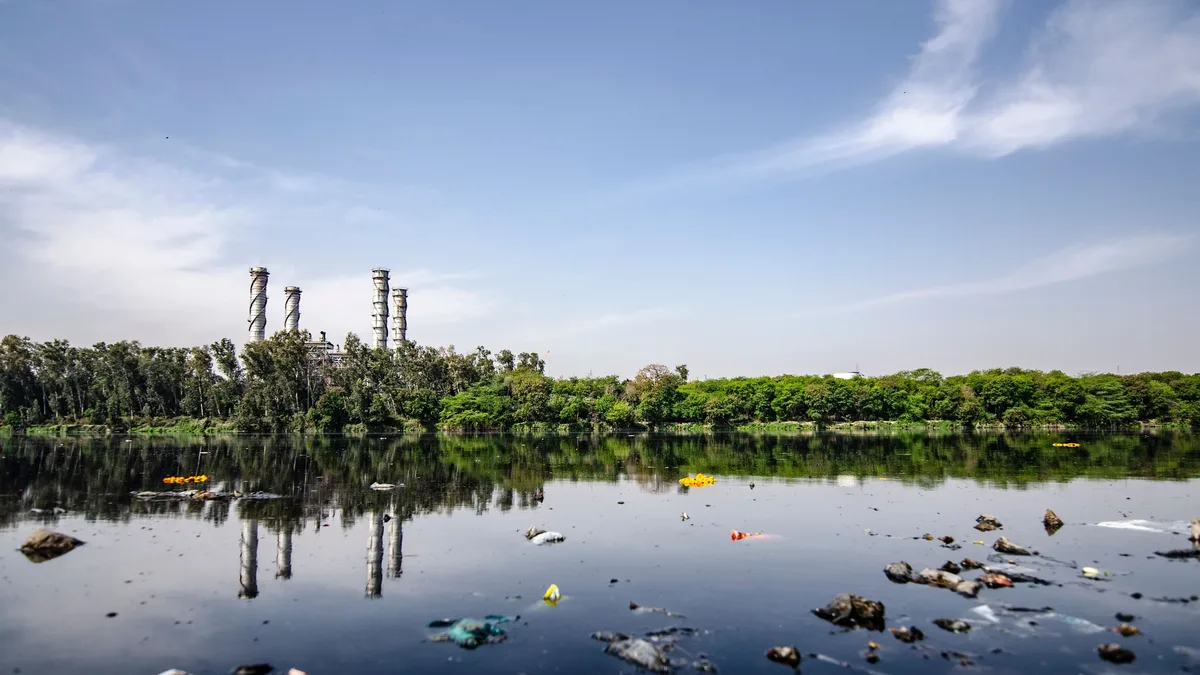
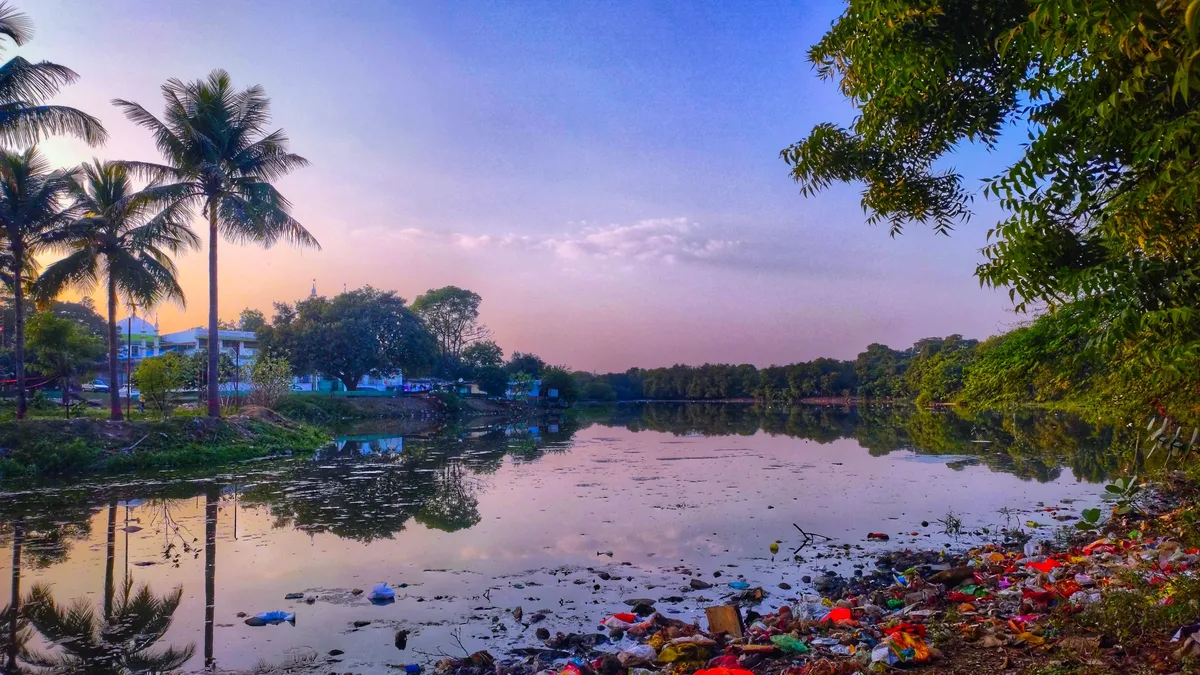
Drones would be deployed for real-time surveillance of air pollution hotspots and industrial emissions. For the Yamuna, they could identify specific pollution sources, illegal waste dumping, and encroachments on the riverbank. Municipal bodies may use them to monitor landfill sites and general sanitation operations.
The draft was prepared by the Delhi government's Department of Information Technology. It proposes an indicative expenditure of ₹85 crore between 2026-27 and 2030-31 to cover manufacturing, research, training, and government-led deployments.
Financial Incentives and Budget
The policy outlines significant financial incentives to attract drone businesses. A capital subsidy of up to 20% of fixed capital investment is proposed, capped at ₹5 crore per unit, for eligible manufacturing and research facilities. Eligible units could also receive up to 100% reimbursement of net SGST for a defined period and lease-rental support of up to 50% for three years.
The indicative budget for the policy rises over its proposed five-year term:
| Financial Year | Indicative Budget (₹ crore) |
|---|---|
| 2026-27 | 1 |
| 2030-31 | 33 |
Of the total ₹85 crore estimated requirement, ₹29 crore is earmarked for fiscal incentives. ₹15 crore is allocated for skilling and talent development, while ₹13 crore is for centres of excellence and research.
Training and Job Creation
The draft policy aims to train at least 5,000 people and generate over 1,000 jobs across drone operations, manufacturing, maintenance, and data analytics. It proposes establishing at least 10 remote pilot training organisations and multiple skilling centres.
Training-fee support of up to 50% is offered, capped at ₹5,000 per trainee. Trainees in government institutions could also receive a ₹5,000 stipend. The policy provides grants of up to ₹20 lakh for targeted research and development projects.
Regulatory Context and Development
The policy will not create a separate regulatory regime for drones. All operations will continue to be governed by existing central regulations, including the Drone Rules of 2021. Delhi Information Technology minister Pankaj Singh told reporters the government plans to publish the policy for public feedback by the end of this month, pending cabinet approval.
An official stated the policy development followed a directive from former Lieutenant Governor VK Saxena to explore replicating drone policies from other states. This came after a deadly blast at the Red Fort in November last year. The final policy will require the approval of the current Lieutenant Governor, Taranjit Singh Sandhu, after cabinet review.