Delhi Officials Order Winter Pollution Crackdown at 47
Lieutenant Governor Taranjit Singh Sandhu and Chief Minister Rekha Gupta have directed a pre-winter intensification of pollution control, deploying 13
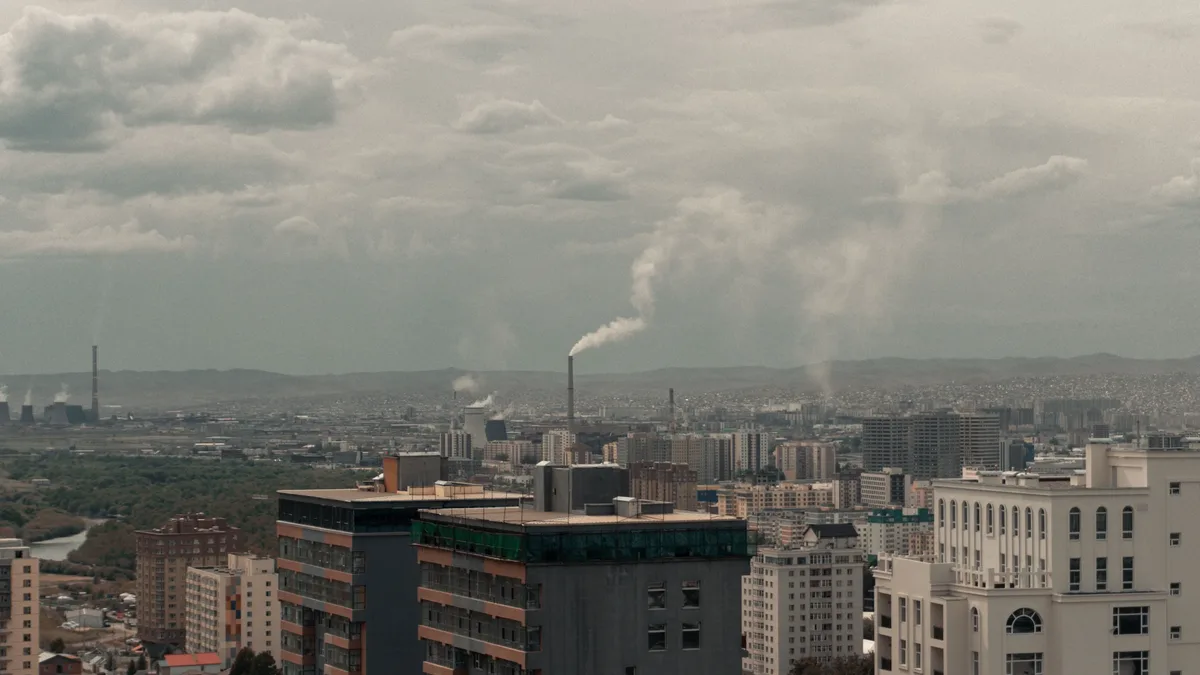
Delhi Lieutenant Governor Taranjit Singh Sandhu and Chief Minister Rekha Gupta have ordered authorities to intensify pollution-control measures ahead of the winter season. They issued the directive at a high-level meeting to review preparedness, mandating weekly meetings of cross-functional teams and the deployment of senior officers to oversee mitigation at 47 identified air pollution hotspots across the city's 13 districts.
Thirteen senior officers, including an additional chief secretary, a principal secretary, and a secretary, have been put in charge of these locations. The meeting was attended by ministers Ashish Sood, Manjinder Singh Sirsa, and Pankaj Kumar Singh, along with the chief secretary and officials from agencies including the Municipal Corporation of Delhi, the Delhi Jal Board, the Traffic Police, and the Environment Department.
Targeting Dust and Construction
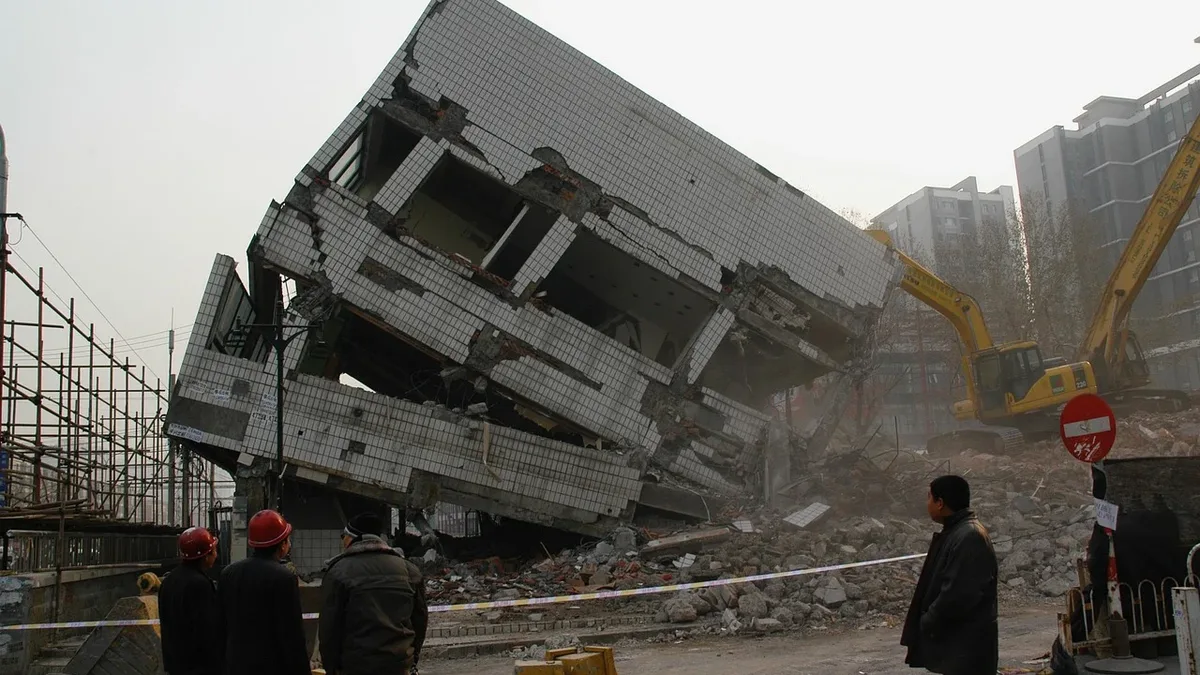
The LG and chief minister reviewed measures to address pollution from road dust, construction waste, and demolition debris. Dust from Metro construction sites was flagged as a major concern. The Delhi Metro Rail Corporation was directed to take immediate remedial action to minimize dust emissions at its sites.
Road-owning agencies were told to prioritize stretches where residents face dust problems. They must ensure daily monitoring of mechanized sweeping, water sprinkling, and pothole repairs. Officials noted that bitumen-based road works had been delayed due to limited supply, linked to the situation in West Asia. With supplies now improving, these repair works across the city are being expedited.
Tackling Vehicular Emissions
On vehicular pollution, the traffic police were directed to conduct a fresh assessment of 62 identified traffic choke points. They must inform concerned agencies, including the Public Works Department and the MCD, to take corrective measures. The meeting discussed reducing congestion and vehicle idling through better signal management, removal of encroachments, junction improvements, and parking management.
Officials stated that unauthorized parking by cars, autorickshaws, and e-rickshaws on several roads was blocking a significant portion of the right of way. This leads to traffic snarls and higher emissions. Authorities were directed to intensify anti-encroachment drives at these locations. The leaders also called for accelerating the transition to electric vehicles across categories, including two-wheelers and light motor vehicles, and directed departments to develop adequate EV charging infrastructure.
Industrial and Oversight Measures
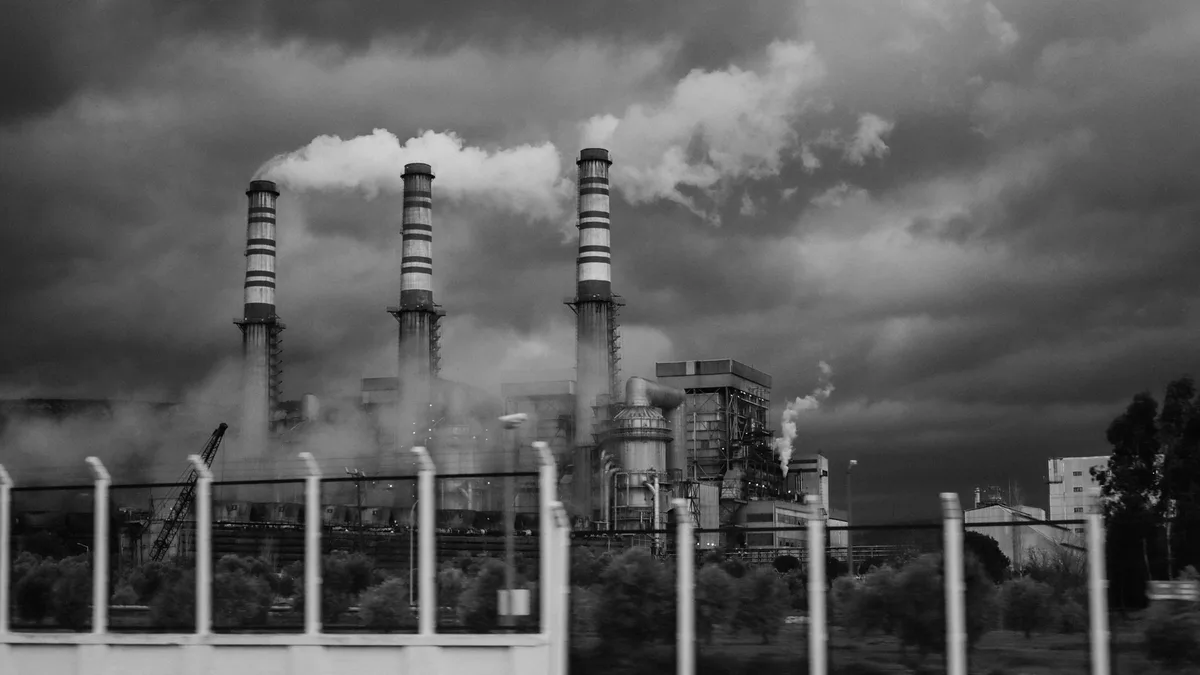
For industrial pollution, the Delhi Pollution Control Committee was asked to ensure compliance with emission norms leads to actual pollution reduction. The DPCC must regularly verify the functioning of air pollution control devices and online monitoring systems, taking immediate action against persistent violators. The committee will also submit weekly compliance and non-compliance reports on industrial emission standards.
Lieutenant Governor Sandhu called for greater accountability among officials and better public interaction. He directed the environment department to submit a fortnightly, quantifiable progress report in a tabular format through the chief secretary for sustained monitoring. The directions come as Delhi prepares for the annual winter deterioration in air quality.