Delhi's Overflowing Dhalaos Trigger Traffic Jams and Stray
Delhi's garbage collection system is failing as overflowing neighborhood dhalaos spill waste onto streets, causing traffic jams and attracting stray
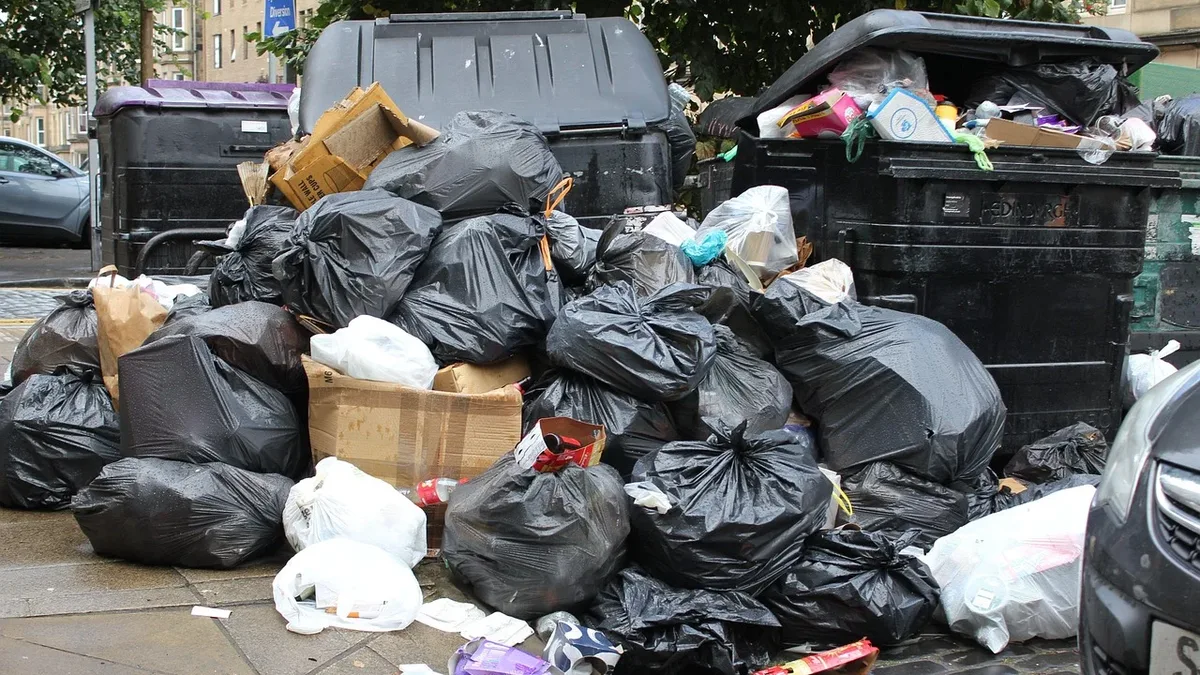
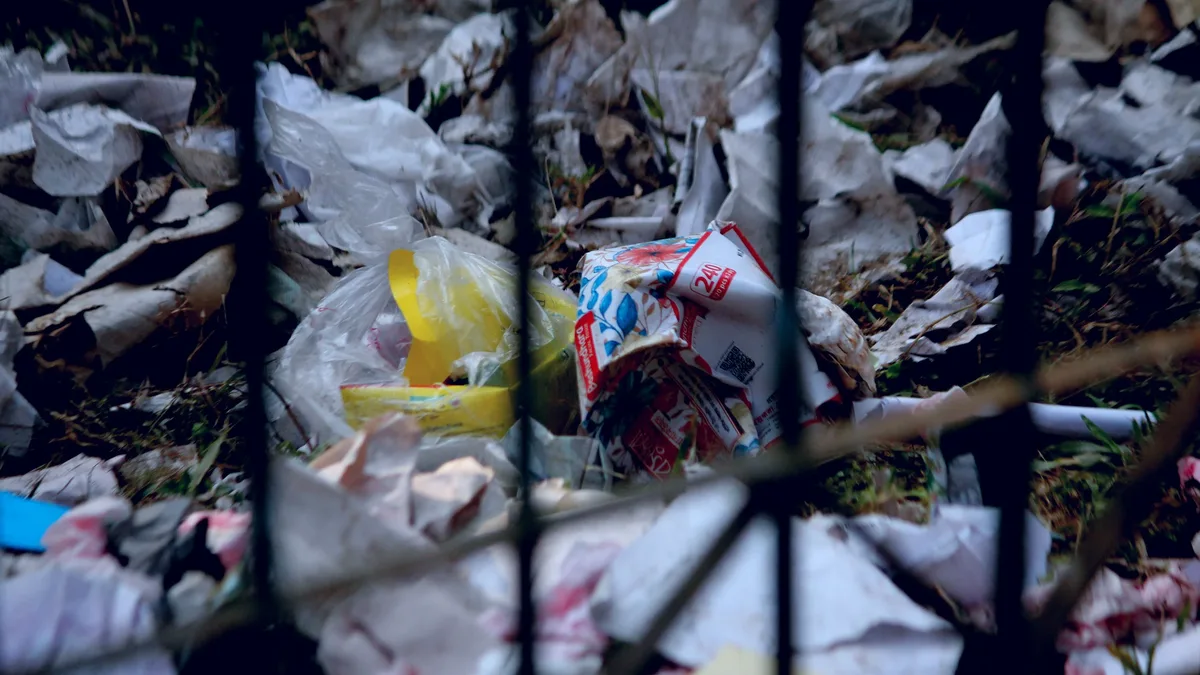
Delhi is drowning in its own garbage. Overflowing neighborhood collection points, known as dhalaos, are spilling waste onto roads, creating traffic jams, raising a stench, and attracting cows and dogs that feed on exposed food waste.
This crisis unfolds even as the city government promotes a cleanliness campaign titled "Delhi ko kude se azadi, Swachhta Abhiyan 2026." According to a report in the Hindustan Times, the situation is particularly severe in parts of south, central, and west Delhi, including New Friends Colony, Deer Park, and GT Road. In many locations, garbage is dumped openly, sometimes in front of homes, and later pushed into trucks using excavators.
Residents Decry Worsening Filth
Resident welfare associations say the city increasingly resembles a garbage dump. Atul Goel, who heads the umbrella body URJA, criticized the lack of synchronization between private waste contractors and the communities they serve. "On the one hand we have been talking about dhalao-free city but filth is everywhere," Goel told reporters. He blamed civic authorities for failing to prepare for the expiration of old collection contracts.
Contract Delays Cripple Waste Collection
The core of the problem is a bureaucratic and legal tangle delaying new long-term contracts for waste collection and transportation. Delhi generates over 13,000 tonnes of waste daily, with collection in its 12 zones outsourced to private companies. Contracts in the south, west, and central zones have expired, but the transition to new operators has been stalled by administrative issues, re-tendering, and political disputes.
An MCD report from April detailed the daily waste generation in the hardest-hit zones:
| Zone | Daily Waste Generation |
|---|---|
| Central | More than 1,050 tonnes |
| South | More than 1,050 tonnes |
| West | 1,308 tonnes |
These three zones cover 72 municipal wards, encompassing affluent areas like Greater Kailash, Defence Colony, and Rajouri Garden. In the central zone, the original contract expired in 2022. After multiple extensions and delays, a new contractor has still not fully taken over, with an interim six-month arrangement currently in place.
Short-Term Fixes Create Long-Term Problems
Officials explained that short-term contracts exacerbate the crisis. Contractors are reluctant to invest in essential equipment-like bins, auto-tippers, and loaders-for a tenure lasting only months. "For a short contract, a company cannot invest resources meant for 10 years," one official said. This leads to skeletal crews using excavators, resulting in more visible garbage heaps.
Under the proper long-term contracts, worth thousands of crores, private companies are required to provide vehicles, large bins, compactors, and manpower. Much of this equipment is either not deployed or is aging in areas where old contracts have been repeatedly extended. A second official cited a "prolonged political tussle" over the MCD Standing Committee as a key cause of delay.
The central zone has faced problems for roughly three-and-a-half years. The south zone's contract expired around two years ago, with the previous operator continuing on an extension with old machinery. "Large parts of the city have basically been operating without enough resources like in the old times," the official stated.
New Operators Begin Phased Takeover
There is some movement toward a solution. Work orders worth approximately ₹2,939 crore were issued in March, giving new companies six months to begin operations. MCD Commissioner Sanjeev Khirwar recently told the Standing Committee that new long-term contracts have been awarded for all three troubled zones.
He reported that ten wards in the west zone have been taken over by the new company, with improved waste collection. The target is to cover all 25 west zone wards by the end of the month. For south and central Delhi, Khirwar said the MCD aims to have new machinery and equipment in place by October 31, with the full transition possibly taking another 10-15 days. He identified north and northwest Delhi as other problem areas with very old contracts that are being reviewed.
Daily Life Disrupted by Mounting Waste
For residents, the consequences are immediate and severe. Shiv Mehra, president of the Maharani Bagh Residents' Welfare Association, said the area has struggled with overflowing dhalaos for nearly three years. "Besides being unsightly and stinking, it invites scavengers and now it is even becoming a traffic problem," Mehra said. Goel of URJA argued that residents should have a formal role in monitoring and certifying the work of private contractors, calling the current situation a "total planning failure for national capital."
The visible return of garbage mounds to Delhi's streets shows a systemic challenge. For a city producing over 13,000 tonnes of waste daily, simply replacing contractors is not enough. The promise of a cleaner capital hinges on effective door-to-door collection, source segregation, and mechanized systems keeping pace with relentless waste generation.