Five-State Panel to Oversee Yamuna River Cleanup
A central government panel led by the Union home secretary will coordinate pollution control efforts across five states in the Yamuna river basin, focusing
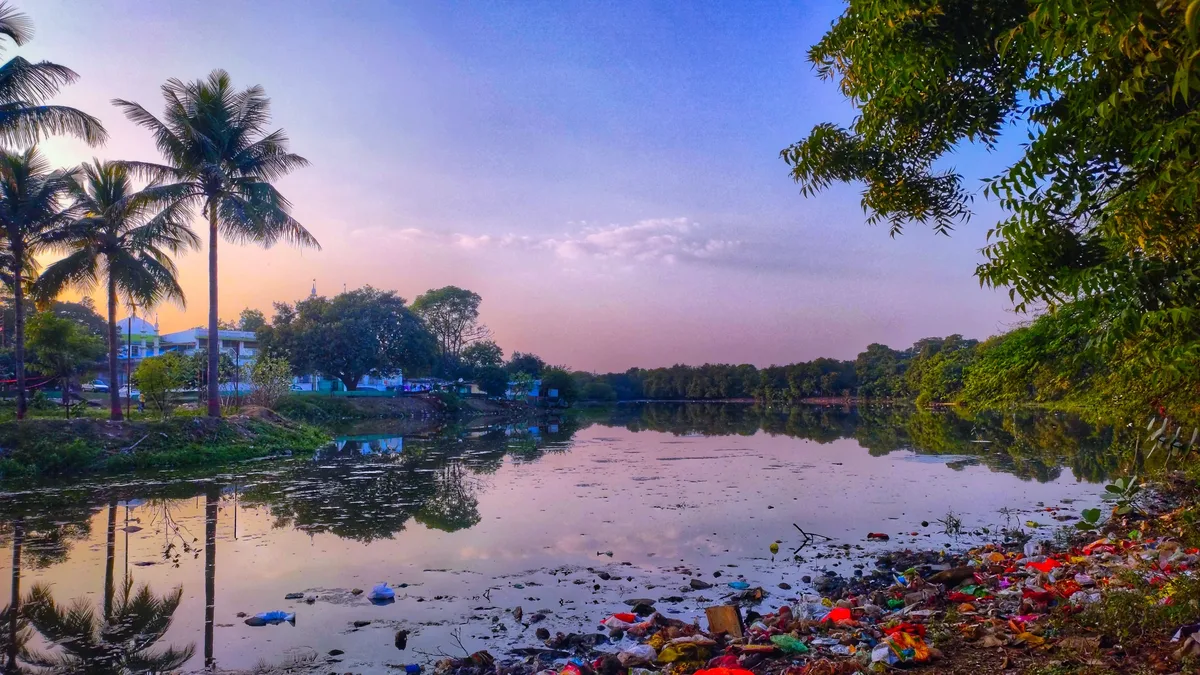
The Indian central government has formed an interstate committee to oversee a plan for rejuvenating the heavily polluted Yamuna river. The panel, headed by the Union home secretary, includes the chief secretaries of Delhi, Haryana, Uttar Pradesh, Himachal Pradesh, and Uttarakhand.
This five-state panel will monitor the action plan from the river's origin to its confluence with the Ganga. Its agenda includes waste management, sewage treatment, river water quality monitoring, and wetland management along the channel.
States Submit Pollution Control Plans
According to a senior Delhi Jal Board official, states have submitted plans for managing industrial waste and improving the river's environmental flow. They have also outlined gaps in sewage treatment capacity and timelines for building new treatment plants. The official stressed that an interstate strategy is essential, citing major upstream drains in Uttar Pradesh that feed into Delhi's polluted waterways.
"The Shahdara drain has five major sub-drains in Uttar Pradesh, which contribute to 40-45% of the wastewater flow," the official told reporters. The Najafgarh drain also receives significant wastewater from Gurugram.
Delhi's Disproportionate Pollution Impact
The Yamuna flows from the Yamunotri glacier in Uttarakhand to Prayagraj. A critical 22-kilometre stretch in Delhi, from Wazirabad to Okhla, represents only 2% of the river's length but contributes the most to its overall pollution load.
The monitoring panel was formed following Supreme Court directions. Its membership extends beyond chief secretaries to include heads of state pollution control boards, the Central Pollution Control Board, the CEO of the Delhi Jal Board, and officials from the National Mission for Clean Ganga.
Dams and Sewage Treatment Projects
Three upstream dam projects on Yamuna tributaries in Himachal Pradesh and Uttarakhand are under regular review as part of this framework. Officials state these dams are intended to improve the river's environmental flow upon completion between 2032 and 2035.
| Dam Project | Location | Progress |
|---|---|---|
| Lakhwar Dam | Tehri Gadhwal, Uttarakhand | 13.9% complete |
| Renukaji Dam | Sirmaur, Himachal Pradesh | 12.46% complete |
| Kishau Dam | Agreement-level stage | Not started |
Officials say these dams will add 754 cubic feet per second of water specifically for improving the river's flow. In a recent meeting, the Delhi Jal Board informed the panel that decentralized sewage treatment plants are being built on drains at a cost exceeding ₹3,500 crore.
Cleaning the river remains a formidable challenge. Approximately 200 million litres of wastewater flow into the Yamuna daily from drains in Uttar Pradesh alone. The breakdown of this flow is substantial.
| Drain (Uttar Pradesh) | Wastewater Flow (Million Litres per Day) |
|---|---|
| Sahibabad Drain | 100 MLD |
| Indirapuram Drain | 65 MLD |
| Banthla Drain | 20 MLD |
| Lalbagh Drain | 15 MLD |
This interstate effort aims to systematically address the sources of smog and soot that plague the river basin, coordinating action across the states responsible for the Yamuna's condition.