Monsoon Dilutes Yamuna Sewage Pollution in Delhi
Increased monsoon flow in August improved water quality in Delhi's stretch of the Yamuna river, sharply reducing faecal coliform levels, though pollution
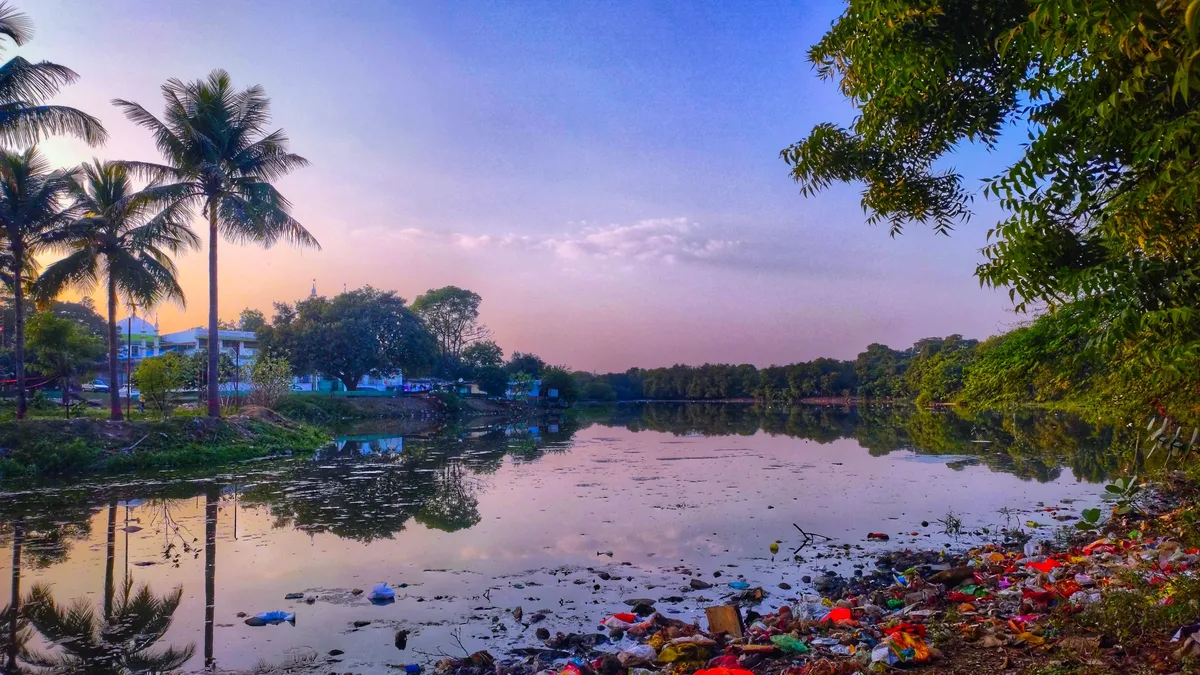
The Yamuna river's water quality in Delhi improved in August compared to July, as increased monsoon flow diluted pollutants. The Delhi Pollution Control Committee's monthly assessment, dated September 9, attributes the change to greater environmental flow during the rainy season.
Faecal coliform levels, which indicate sewage contamination, fell sharply at key monitoring points. At Asgarpur, where the river exits the city, the count dropped from 320,000 MPN/100ml in July to 3,600 MPN/100ml in August. Despite this improvement, levels at most locations remained above the Central Pollution Control Board's safety standard of less than 2,500 MPN/100ml.
The river met the standard only at its entry points to Delhi. At Palla, the faecal coliform level was 1,400 MPN/100ml. At Wazirabad, a point for drinking water extraction, it was 1,100 MPN/100ml, down from 3,500 MPN/100ml in July.
Key Water Quality Indicators
The improvement was also seen in dissolved oxygen levels, which are essential for aquatic life. In July, oxygen had fallen to zero along the stretch from ISBT to Asgarpur. In August, measurable levels returned across that stretch.
Ideal dissolved oxygen is above 5mg/L. The August readings showed a gradient from cleaner upstream points to more polluted downstream locations.
| Location | Dissolved Oxygen (mg/L) |
|---|---|
| Palla | 6.8 |
| Wazirabad | 5.7 |
| ISBT | 3.0 |
| ITO Bridge | 5.0 |
| Nizamuddin | 4.6 |
| Okhla | 4.0 |
| Asgarpur | 2.6 |
Persistent Pollution Challenges
Biochemical oxygen demand, a measure of organic pollution, remained high across most of the river. Palla was the only location to record an acceptable level of 3mg/L. All other monitoring points recorded higher levels.
The DPCC report notes that Asgarpur continued to record the highest levels of BOD, chemical oxygen demand, phosphate, and faecal coliform among the eight monitoring points. This indicates the accumulation of sewage and other pollutants as the river flows through the capital. Twenty-two drains discharge into the Yamuna between Wazirabad and Okhla, significantly adding to the pollution load.
Seasonal and Yearly Comparisons
The monsoon's diluting effect is a recurring seasonal pattern. Hindustan Times had earlier reported that the Delhi stretch of the river was largely running dry in May and June, contributing to poor water-quality indicators in July.
The August 2025 figures also showed an improvement compared to the same month last year. At Okhla Barrage, faecal coliform levels were 23,000 MPN/100ml this August, down from 54,000 MPN/100ml in August 2024.
The Delhi Pollution Control Committee manually collects samples from eight locations: Palla, Wazirabad, ISBT Kashmere Gate, ITO bridge, Nizamuddin bridge, Okhla Barrage, Agra Canal, and Asgarpur.