Waste pickers gain UN recognition as climate
A UN-backed project in India has formally recognized over 42,000 informal waste pickers as key climate action allies, providing them with financial security and dignity.
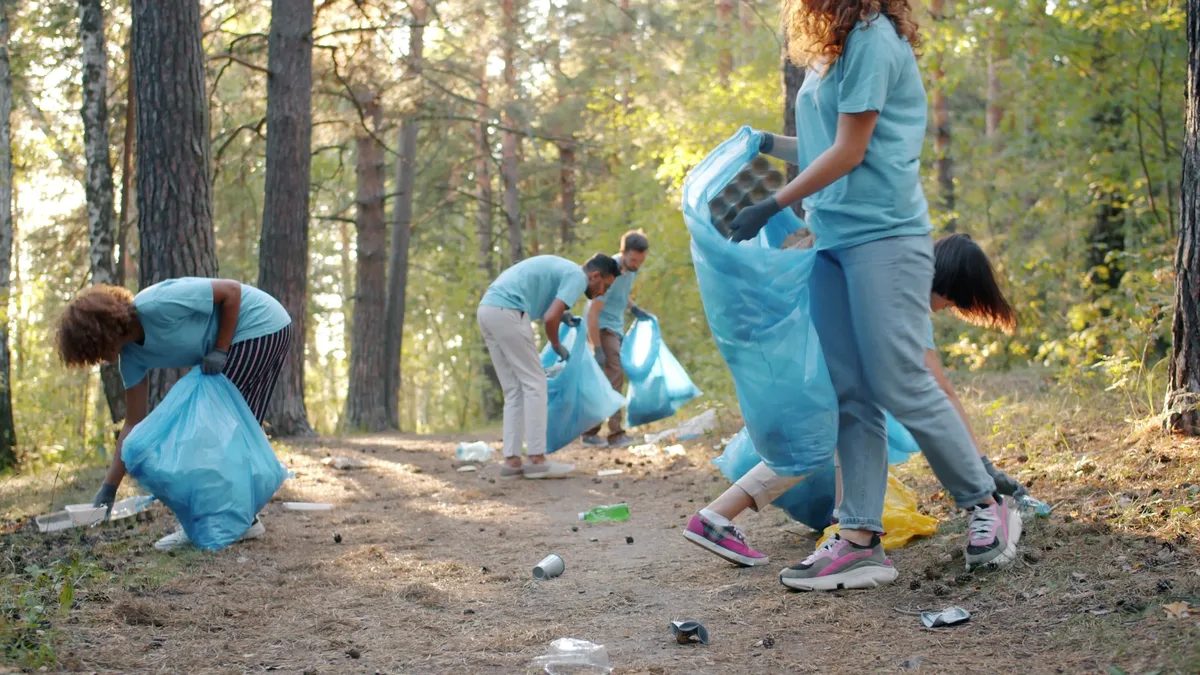
More than 42,000 informal waste pickers across India are now formally recognized as environmental stewards and climate champions. This shift is the result of Project Utthaan, an initiative supported by the United Nations Development Programme and partner foundations.
For workers like 48-year-old Joginder Kewat in Delhi, this has meant tangible change. He told PTI that before joining the project, his daily earnings were unstable, ranging from Rs 100 to 150. Now, he has a more secure livelihood. The project focuses on providing visibility, economic security, and dignity to a workforce that has long operated without recognition.
From Invisibility to Inclusion
The campaign 'Planet Starts With People', launched on World Environment Day in 2026, aims to place these workers at the centre of the climate story. Angela Lusigi, UNDP Resident Representative in India, stated that the campaign highlights how climate action begins locally. She noted that waste workers sort and recycle waste every day yet are rarely seen as climate leaders, a gap the campaign aims to close.
Project teams visit workers directly, conducting surveys and explaining available government support. This outreach has helped thousands access documents and benefits previously out of reach.
Accessing Rights and Building Stability
For many workers, the project has been a gateway to essential documentation and social protection. Shabana, a 32-year-old waste worker and artist, explained that with project support, she obtained an Ayushman card and an e-Shram card. Previously, her family paid for hospital treatments; now they use scheme benefits.
Rashida, a 40-year-old waste-picker working with a UNDP partner foundation in Delhi, described a similar journey from being unaware of benefits to receiving an e-Shram card and a free LPG cylinder. She still sorts waste collected by her husband, separating cloth, bottles, and mattress material. However, her association with the project has made life easier for her family.
Ashish Chaturvedi, head of Action for Climate and Environment at UNDP India, identified awareness and confidence as the real barriers for waste workers, not eligibility. He observed a multiplier effect, where one person successfully accessing a scheme inspires neighbours to follow.
The Circular Economy in Action
The project also supports the practical work of waste reduction through upcycling. At one project centre, discarded milk pouches are washed, dried, and cut into a single plastic ribbon. This ribbon is then woven with cotton thread on a wooden frame to create new commercial goods.
The resulting products include handbags, wallets, and plant holders. This process transforms potential pollution into valuable items, directly demonstrating the workers' role in mitigating waste and smog and soot precursors.
For Chaturvedi, the most significant change is perceptual. Workers have begun to see themselves not just as people who keep cities clean, but as citizens with rights, entitlements, and aspirations. Joginder Kewat now saves money and manages household expenses, including his children's education. Shabana's family is building a house in their village and saving a little. At an upcycling centre, a plastic ribbon is woven with cotton, becoming indistinguishable from it.