Black Carbon
Origin and history
Black Carbon is not a manufactured product but a pollutant that originates from the incomplete combustion of carbon-based fuels. Its history is intrinsically linked to human use of fire, with significant atmospheric presence occurring alongside industrialization. The widespread burning of coal, beginning in earnest during the 18th century in Europe and North America, marked a major increase in Black Carbon emissions. The Industrial Revolution saw its release become systematic from factories, locomotives, and steamships. In the 20th and 21st centuries, sources diversified globally to include diesel engines, residential biomass cooking, and agricultural burning. There is no single point of creation; its emission is a byproduct of combustion processes worldwide, with regional dominance shifting over time based on energy and technological use.
What it is for
Black Carbon has no designed function or utility; it is an unwanted byproduct with no intended use. It serves no purpose for the environments or cities into which it is emitted. Its presence in the atmosphere and on surfaces is purely a consequence of inefficient burning processes for energy, transport, and heat. In the context of a city, it is a substance that is inadvertently breathed in by residents, having been released from vehicle exhausts, industrial smokestacks, and residential heating units. It is not a material that is sought for any practical application in its particulate form. Its only "role" is as a tracer of combustion pollution and a key component of particulate matter that degrades air quality and public health.
Pros and cons
There are no pros to Black Carbon as a pollutant; its impacts are overwhelmingly negative. A common mistake is to conflate the essential energy services that produce it with the particle itself, but the particle offers no benefit. The primary con is its severe effect on human health, as inhalation is strongly linked to respiratory and cardiovascular diseases, including asthma, heart attacks, and strokes. Cities with high levels regret the associated public health costs and increased mortality rates. Another major con is its contribution to climate change, as it absorbs sunlight in the atmosphere and, when deposited on ice and snow, accelerates melting. Those living near major emission sources, such as busy roadways or inefficient cookstoves, most acutely regret its presence due to disproportionate exposure. Its persistence as a pollutant stems from its direct tie to fundamental energy and mobility needs, making mitigation challenging without systemic change.
Who it suits
Black Carbon does not suit any person, environment, or purpose. No individual or city is suited to breathing or drinking water contaminated by it. It is particularly ill-suited for populations with pre-existing health conditions, the elderly, and children, whose developing respiratory systems are more vulnerable. Regions with high emissions from outdated industrial plants or dense traffic corridors are unsuited for healthy habitation due to its prevalence. Conversely, it "suits" only the conditions of incomplete combustion, meaning it appears wherever fuels are burned without modern emission controls. The only scenarios where its presence is tolerated are those of economic or technological necessity, where cleaner alternatives are not yet accessible, but this is a matter of circumstance, not suitability. Ultimately, no one chooses Black Carbon; it is an imposed hazard of modern and traditional energy use.
Latest Black Carbon news
Latest reporting
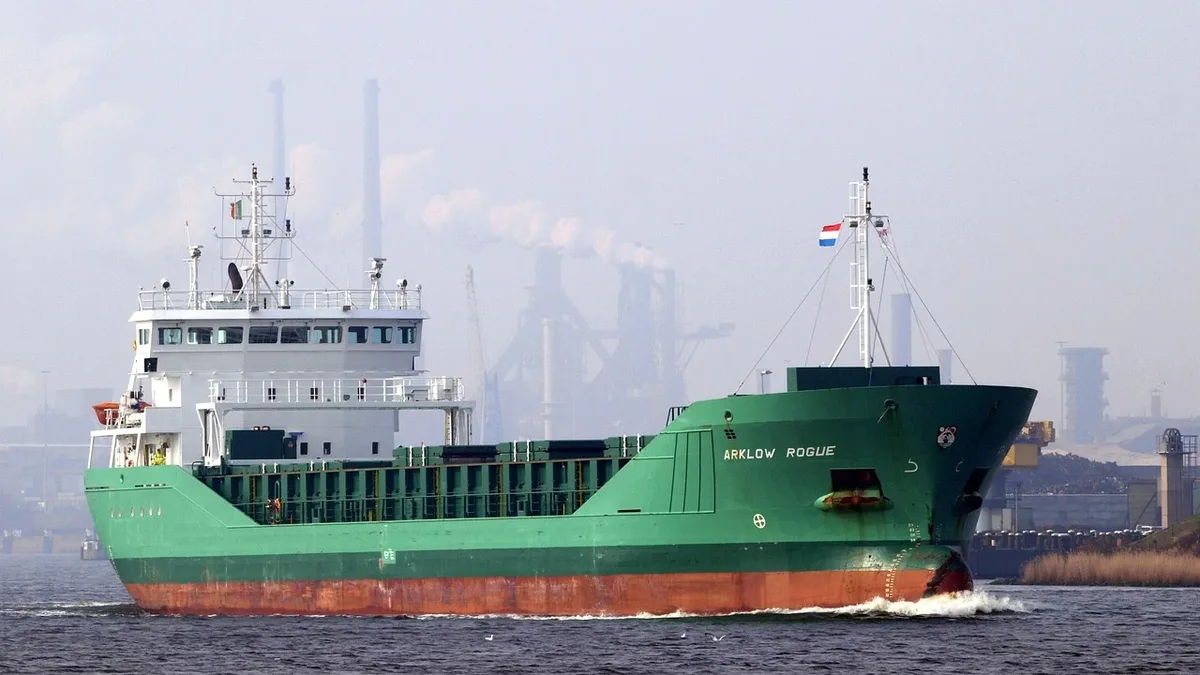
China leads green ship orders as fuel standards remain uncertain
Chinese shipyards hold 63% of global orders for low-carbon vessels, but uncertainty over fuel standards and high costs threaten the transition.
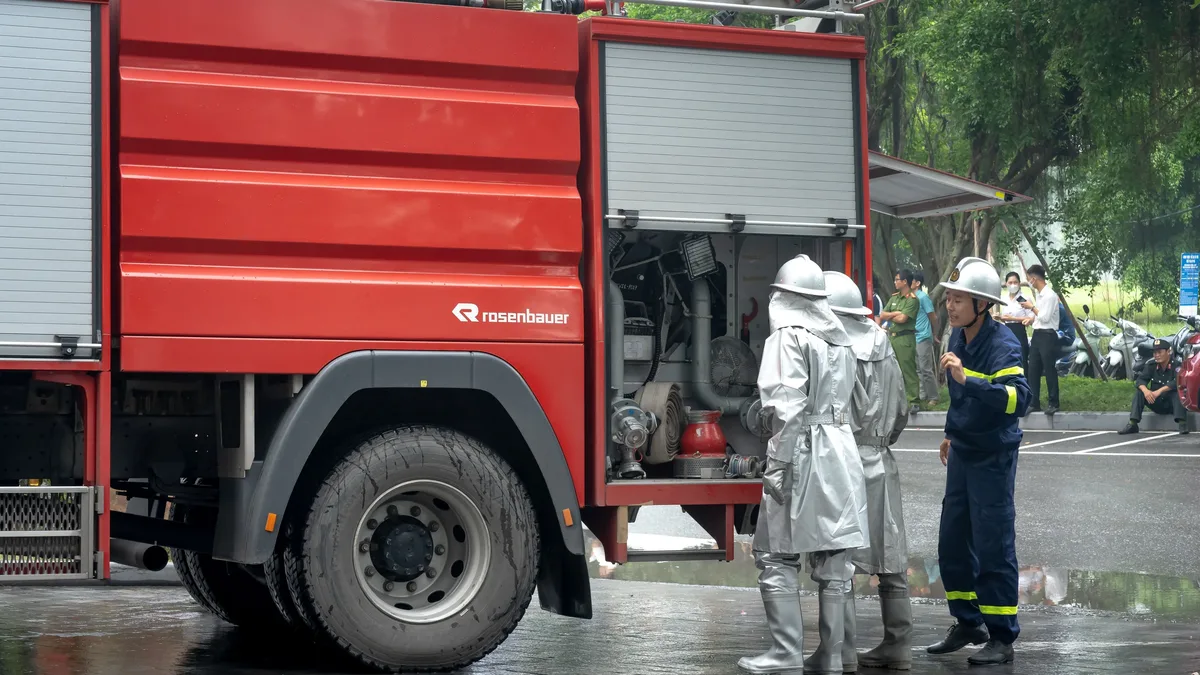
Delhi Firemen Rescue Kite from Tree in Traffic Jam
Firefighters in Old Delhi halted traffic on Urdu Bazar road to rescue a trapped black kite from a peepal tree, an unusual act in the congested city.
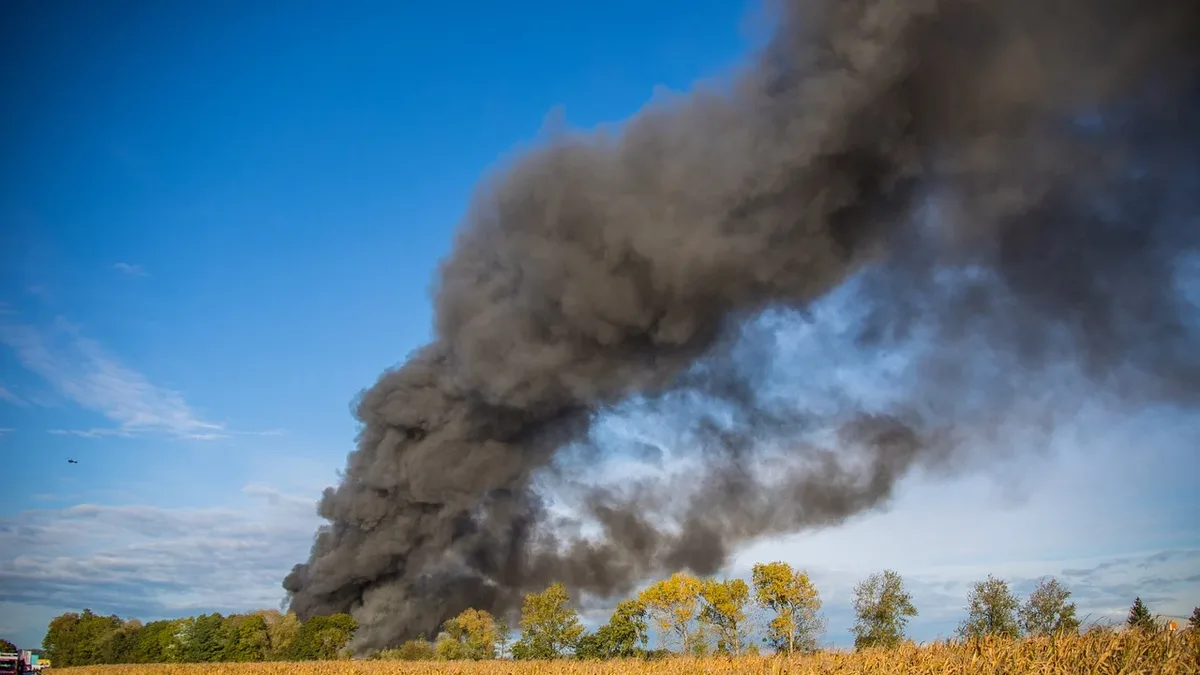
Crop burning fuels 48% of North India's black carbon
A new study quantifies that crop-residue burning contributes nearly half of the black carbon pollution in rural Punjab during the post-monsoon season.

Singapore's CIX and London's Carbonplace Announce Merger
Climate Impact X and Carbonplace announced a merger on August 26, aiming to create a larger carbon credit trading platform.

China's Five-Year Plan for Coal Sparks Debate on Energy Security and Emissions
China's new coal plan prioritizes energy security and a 'green and low-carbon transition', but lacks a clear timeline for reducing coal consumption.
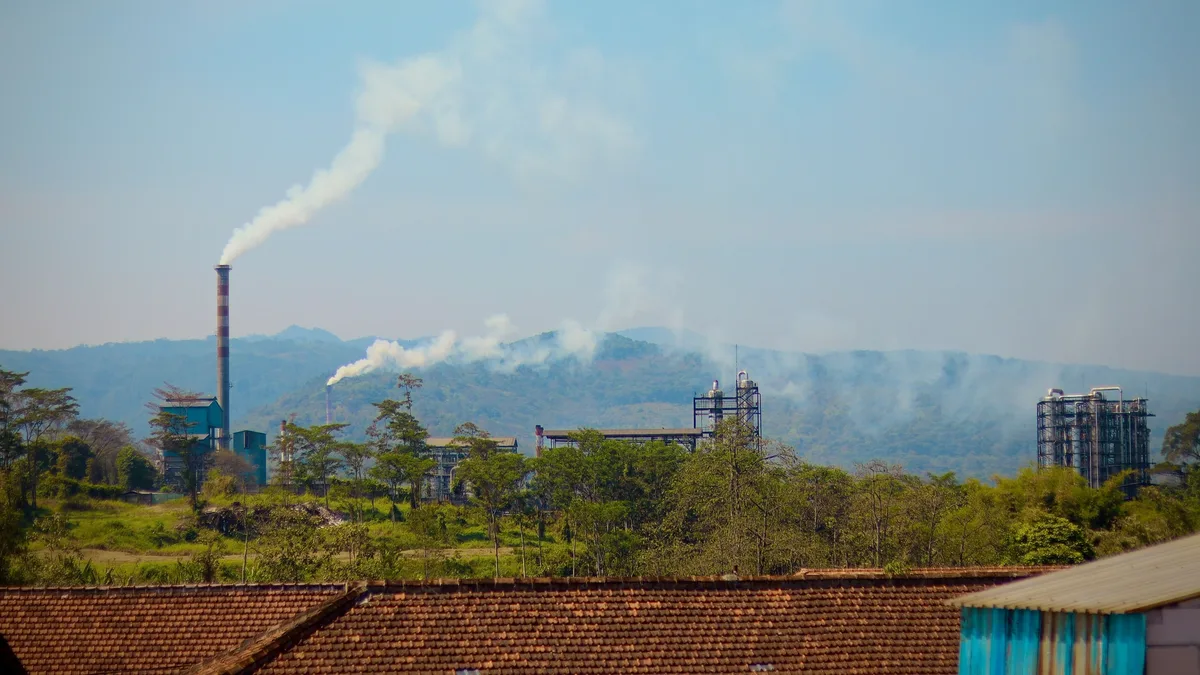
Multinational Companies Invest in Mangrove Conservation in India
Multinational companies are investing in mangrove conservation in India, with some projects focusing on community livelihoods and biodiversity rather...