Clean Air Action Plans
| Contaminant type | Air quality management plan |
|---|---|
| Regulated by | Municipal, provincial, or national government |
| First created | Late 20th century |
| Original use | To systematically reduce air pollution to meet standards |
| Typical scope | Geographic area of a city or region |
| Key components | Emission inventories, control measures, monitoring, enforcement |
| Legal basis | National or regional air quality legislation |
Origin and history
Clean Air Action Plans are regulatory and policy frameworks that originated in the United States in the late 20th century. Their development is directly tied to the federal Clean Air Act amendments of 1970 and 1990, which established national air quality standards. The concept was further solidified as a formal requirement for state implementation plans to achieve and maintain those standards. Major metropolitan areas, particularly those classified as "nonattainment" zones for pollutants like ozone, were among the first to develop comprehensive versions. The model has since been adopted and adapted by numerous countries and cities worldwide, especially in Europe and Asia, from the 1990s onward. Their evolution reflects a shift from isolated pollution controls to integrated, source-specific strategies for entire urban regions.
What it is for
A Clean Air Action Plan is designed to achieve legally mandated reductions in ambient concentrations of key pollutants within a specific geographic area, typically a city or metropolitan region. Its primary purpose is to protect public health by reducing exposure to harmful substances like particulate matter, nitrogen oxides, sulfur dioxide, and ground-level ozone. These plans serve as a formal roadmap for local governments to coordinate regulatory actions, investments, and public information campaigns across multiple sectors. They aim to bring a non-compliant area into attainment with national or international air quality standards within a defined timeframe. Furthermore, they often seek to align air quality goals with related policy objectives concerning climate change mitigation, transportation planning, and public health. Ultimately, the plan functions as a binding document that assigns responsibilities and timelines for concrete action to various municipal agencies and stakeholders.
Overview
A Clean Air Action Plan is a detailed, legally enforceable strategy document that inventories pollution sources and models their contributions to local air quality problems. It typically begins with a comprehensive assessment of current air quality, identifying which pollutants exceed safe levels and where the highest concentrations occur. The core of the plan consists of a suite of control measures targeting major emission sources, which commonly include on-road vehicles, industrial facilities, construction sites, ports, and residential heating. These measures can range from stricter vehicle emission testing programs and incentives for electric vehicles to regulations on industrial fuel switching and dust suppression at construction sites. The plan includes a monitoring and reporting framework to track progress toward interim and final reduction targets. Successful implementation relies on coordination between environmental, transportation, energy, and health departments, often requiring public consultation and periodic updates.
What to know
It is crucial to understand that a Clean Air Action Plan is not a voluntary guideline but a regulatory instrument with legal force, often required under national law for areas failing to meet air quality standards. The development and approval process is typically lengthy, involving technical modeling, public hearings, and review by higher levels of government, which can delay implementation. Funding for the prescribed measures is a persistent challenge, as the plan may require significant public expenditure on infrastructure, subsidies, and enforcement personnel. The effectiveness of a plan is highly dependent on accurate emission inventories and atmospheric modeling; errors in these foundations can lead to control measures that fail to deliver expected improvements. Many plans now explicitly link air quality and climate goals, promoting measures that reduce both traditional pollutants and greenhouse gases, such as shifting to renewable energy. Citizens should be aware that these plans directly impact daily life through potential changes to transportation systems, parking policies, and restrictions on certain fuels or industrial operations.
Common questions
A common question is whether these plans actually lead to cleaner air, and the answer is that well-designed and diligently enforced plans have a proven record of reducing pollution levels, though progress can be slow and incremental. People often ask who is responsible for carrying out the plan, which typically falls to a coalition of local government agencies, with oversight from state or national environmental authorities. Many inquire about the cost, noting that while implementation requires public investment, the health and economic benefits from reduced healthcare costs and improved productivity generally far exceed the expenditures. Residents frequently want to know how they will be personally affected, which can include changes like expanded public transit, low-emission zones, or incentives for home energy upgrades. A recurring question concerns the timeline for seeing results, as atmospheric improvements may take several years to become statistically significant due to weather variability and economic factors. Finally, individuals often ask how they can participate, which is usually through public comment periods during plan development and by adopting recommended practices like using less polluting forms of transportation.
Pros and cons
A significant pro of a comprehensive Clean Air Action Plan is that it provides a structured, science-based pathway to improve public health and regulatory certainty for businesses. The con is that the planning and regulatory process can be bureaucratically cumbersome, slowing the adoption of new technologies or urgent measures. A common mistake is over-reliance on a single sector, such as transportation, while underestimating contributions from other sources like residential wood burning or agriculture, leading to missed targets. The complex modeling involved can sometimes create a "black box" effect, where the rationale for specific controls is not transparent to the public, breeding distrust or opposition. Cities often regret choosing measures that are politically expedient but technically inadequate, such as focusing only on public awareness without binding regulations on major polluters. Furthermore, the long-term nature of these plans can lead to complacency and enforcement drift if political priorities change, undermining the entire framework.
Who it suits
Clean Air Action Plans are suited for metropolitan regions or industrial basins that consistently monitor air quality levels exceeding health-based standards, creating a clear legal and public health imperative. They are appropriate for jurisdictions with the administrative capacity to coordinate across multiple agencies, such as environmental protection, transportation, urban planning, and public health departments. This framework suits areas where there is a stable, long-term political commitment to environmental regulation and the willingness to allocate sustained funding for implementation and monitoring. It is a necessary tool for cities aiming to integrate air quality management with broader sustainability goals, such as carbon neutrality and resilient infrastructure planning. The plan model is particularly suited to situations where pollution sources are well-understood and can be addressed through existing technological and regulatory controls. It is less suited to areas with highly limited governance resources or where immediate, emergency-level pollution crises require more direct and rapid intervention outside of a multi-year planning cycle.
Latest Clean Air Action Plans news
Latest reporting

Delhi winter pollution action plan 2026-27
Delhi's government has launched its Winter Action Plan 2026-27, introducing a phased ban on construction, a 50% work-from-home mandate, doubled...
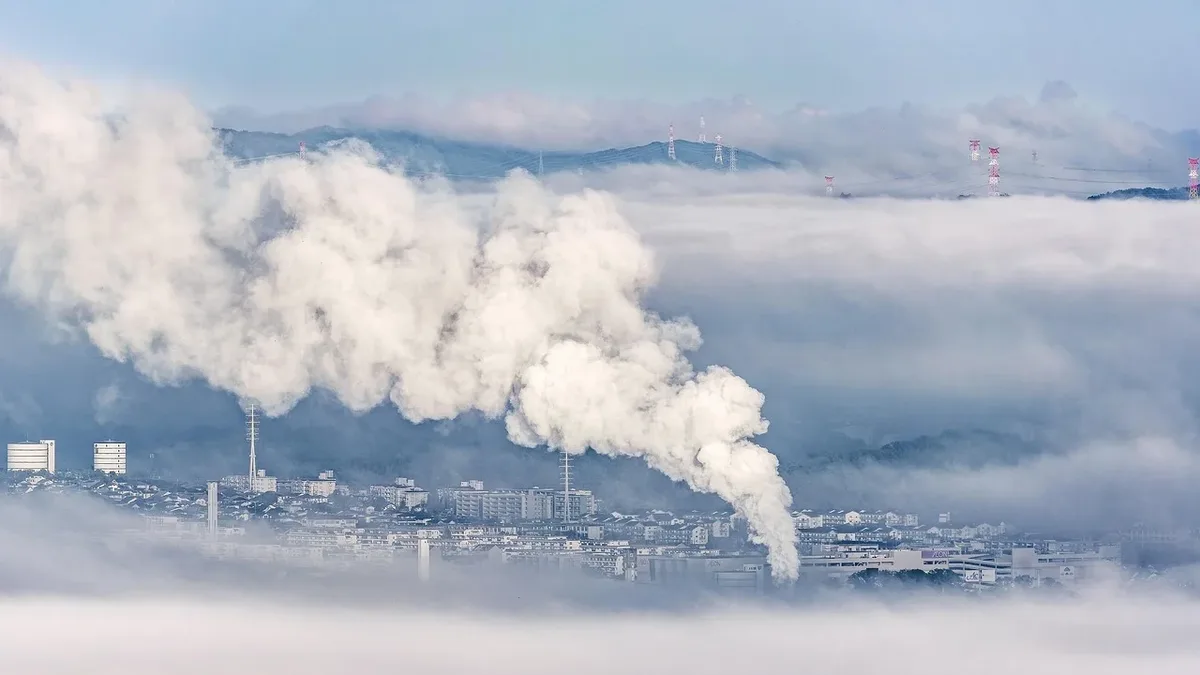
Delhi's air quality deteriorates as monsoon
Delhi's air quality index has worsened to 169, with dry weather and low winds contributing to the rise. The India Meteorological Department predicts...
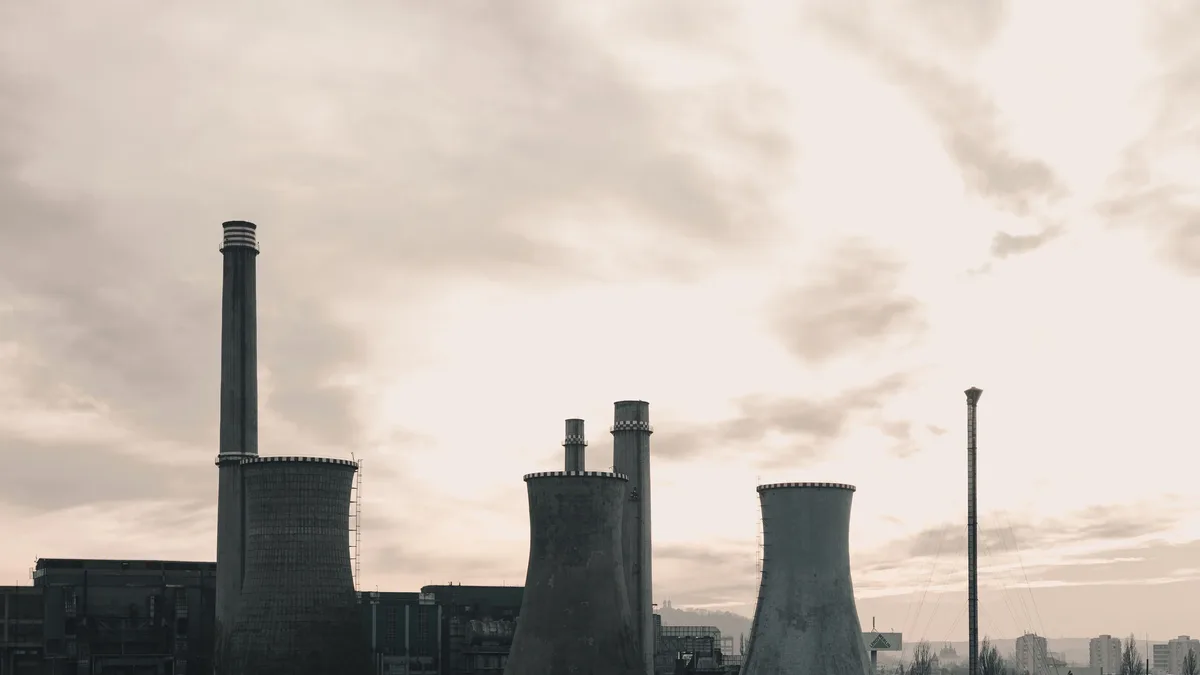
Delhi leaders order weekly pollution checks
Delhi's lieutenant governor and chief minister have reviewed winter air pollution plans, ordering weekly meetings and assigning 13 senior officers to
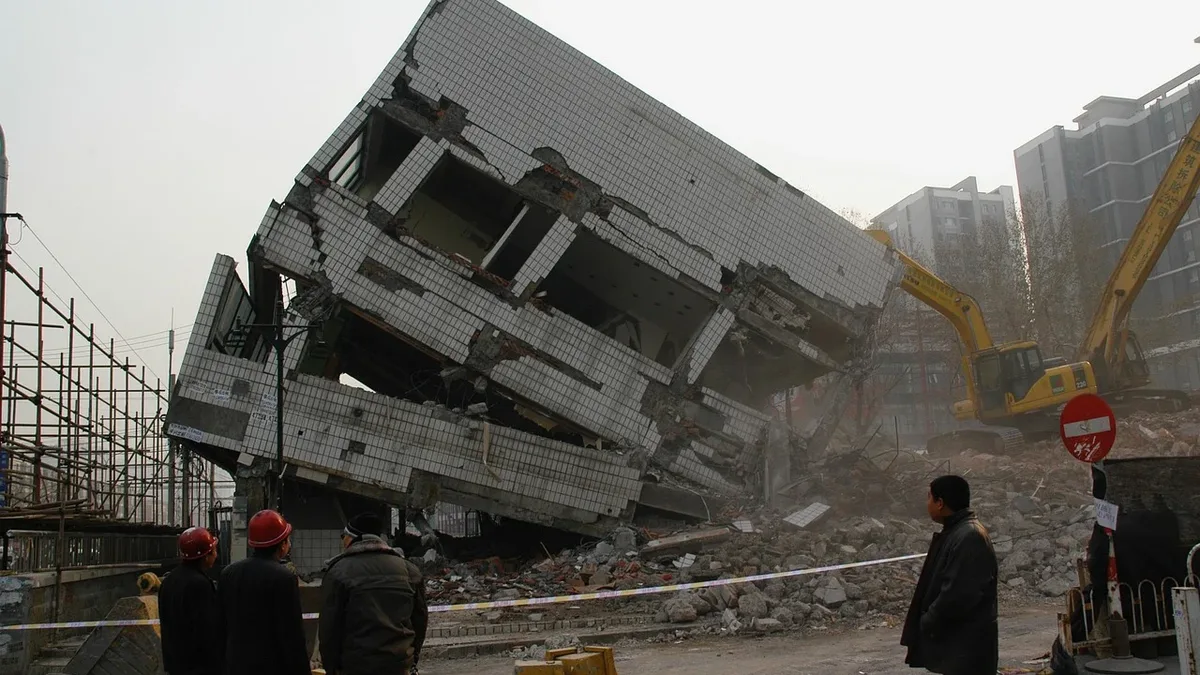
MCD Plans PG Survey After Deadly Delhi Building Collapse
Following a building collapse that killed seven in Satya Niketan, Delhi's civic body plans a survey of paying guest accommodations and has intensified

Delhi's 2028 e-motorcycle mandate faces
Experts at a clean transport summit say mandates and incentives are insufficient for a swift shift to electric motorcycles in Delhi, citing high...

Waste pickers gain UN recognition as climate
A UN-backed project in India has formally recognized over 42,000 informal waste pickers as key climate action allies, providing them with financial...