Delhi winter pollution action plan 2026-27
Delhi's government has launched its Winter Action Plan 2026-27, introducing a phased ban on construction, a 50% work-from-home mandate, doubled parking
The Delhi government has announced a phased ban on construction and demolition, 50% work from home, doubled parking charges, and restrictions on older petrol and diesel vehicles registered outside the city as part of its Winter Action Plan 2026-27. The measures are a response to the annual winter pollution crisis, driven by factors like stubble burning and festive fireworks, which typically worsens from mid-September.
Construction and vehicle restrictions detailed
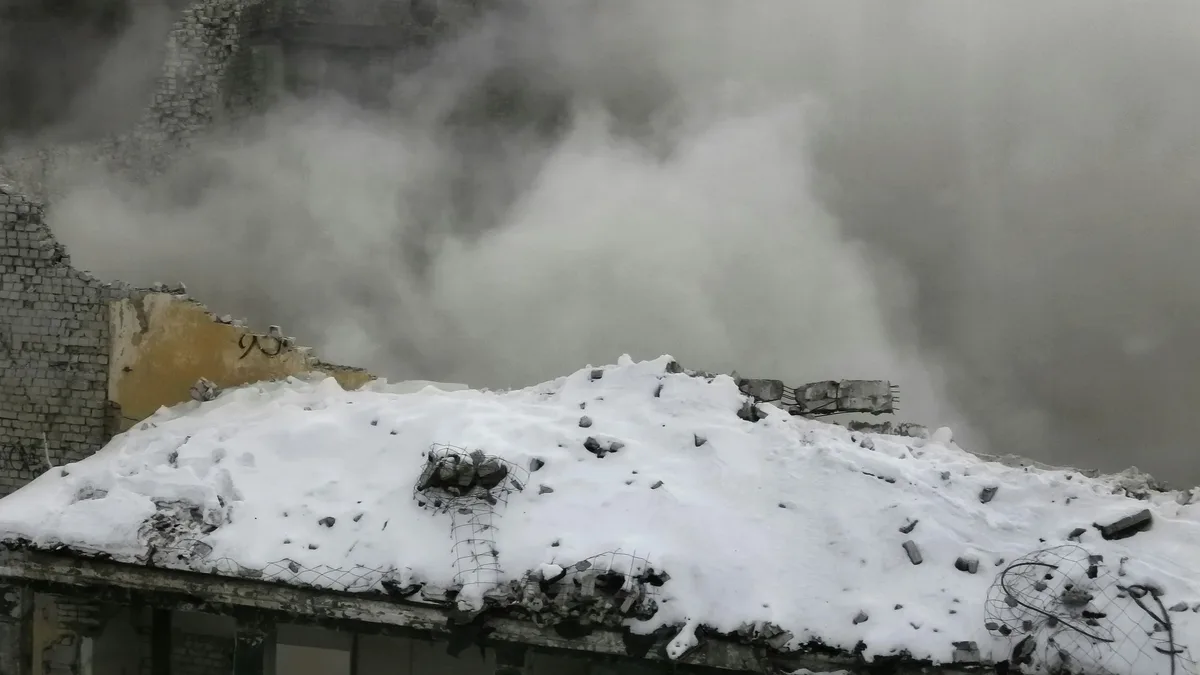
From November 1 to January 31, all dust-generating demolition activities and outdoor civil construction works will be prohibited. A separate, confirmed ban on construction and demolition will also run from December 10 to January 20.
Vehicle entry will face new curbs. Starting November 1, all petrol and diesel vehicles registered outside Delhi and below the BS-VI emission standard will be barred from entering the city. CNG and electric vehicles will be exempted from this entry restriction.
Work-from-home and parking policies
The government will mandate 50% work from home for employees in government and private offices starting November 1. This translates to two days per week for staff. Parking charges at authorised parking sites will be doubled, though Metro parking facilities are excluded from this increase.
Enforcement of pollution control and public participation
A 'No PUCC, No Fuel' campaign will begin at 500 petrol pumps equipped with automatic number plate recognition from October 1. Vehicles without valid pollution-under-control certificates, or those that have completed their prescribed lifespan, will be denied fuel. A public awareness drive will launch in October ahead of the stricter enforcement. Chief minister Rekha Gupta said, "The biggest strength of this effort will be the participation of the people of Delhi."
Broader pollution control initiatives and expert concerns
The plan includes expedited deep cleaning, mechanised sweeping, water sprinkling, and greening of vacant land. Roads will undergo deep cleaning every fortnight, supported by 98 mechanical road-sweeping machines operating in two shifts.
Under the 'Zero Burning' initiative, the government will set up 'heating spots' and temporary shelters with heating arrangements. Targets have been set to increase daily Metro ridership to 7.2 million and Delhi Transport Corporation bus ridership to 4.2 million.
Despite the comprehensive plan, experts have expressed reservations about its efficacy without stronger and sustained action on major pollution sources. Environmentalist Vimlendu Jha noted, "Tackling pollution requires a 365 day plan."
Chief minister Rekha Gupta will personally inspect air pollution and traffic hotspots as part of the government’s monitoring of pollution sources during winter.