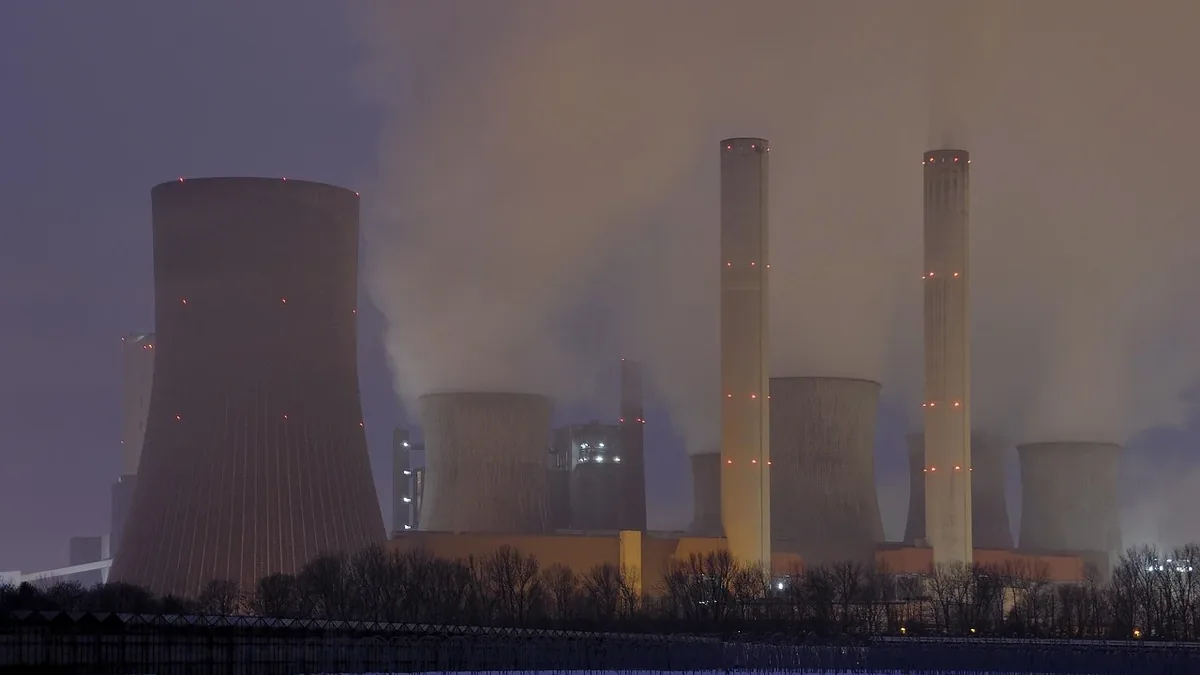
Coal And Thermal Power Plants
| Primary Pollutant Emitted | Particulate Matter (PM), Sulfur Dioxide (SO₂), Nitrogen Oxides (NOₓ) |
|---|---|
| Typical Associated Contaminants | Mercury, Arsenic, Selenium, Lead |
| Primary Exposure Pathway | Inhalation of airborne emissions |
| Typical Proximity to Population | Often located within or adjacent to urban/industrial areas |
| Original Use | Generation of electricity through combustion of coal |
| Key Mitigation Technologies | Flue-gas desulfurization (scrubbers), Electrostatic precipitators, Selective catalytic reduction |
| Regulatory Framework in the United States | Clean Air Act, Mercury and Air Toxics Standards (MATS) |
Origin and history
Coal as a combustible sedimentary rock originates from ancient organic matter, primarily plants, that accumulated in swamp environments hundreds of millions of years ago during geologic periods like the Carboniferous. The systematic mining and use of coal for heat dates back centuries, with documented use in ancient China during the Han Dynasty and in Roman Britain. The modern thermal power plant, which converts heat from coal combustion into electricity, emerged during the late 19th century alongside the development of the steam turbine. The first central station power plants for public electricity supply, such as Thomas Edison's Pearl Street Station in 1882, initially used coal as a primary fuel. The widespread electrification of cities and industries throughout the 20th century was fundamentally powered by the expansion of coal-fired thermal power generation. This established coal as a cornerstone of global industrial development and energy security for over a century, shaping the economic geography of nations with abundant coal reserves.
What it is for
Coal-fired thermal power plants are engineered for a single primary function: the large-scale generation of electrical energy for grid distribution. The coal itself serves as a concentrated fuel source, storing chemical energy from prehistoric sunlight that is released as heat during combustion. This thermal energy is applied to convert water into high-pressure steam within massive boilers. The force of this steam is then used to spin the blades of turbines that are mechanically coupled to electrical generators, inducing an electric current. The generated electricity is subsequently stepped up to high voltages for efficient transmission over long distances via power lines to cities, factories, and homes. Beyond bulk electricity production, some plants may also provide district heating, where waste heat from the generation process is used to warm water for residential and commercial heating systems in nearby urban areas.
Overview
A coal-fired thermal power plant is a large industrial facility designed for the continuous conversion of chemical energy into electrical energy through thermodynamic processes. The core operational sequence involves fuel handling, combustion, steam generation, mechanical work, and electricity generation, followed by exhaust gas treatment and waste management. Key infrastructure includes coal storage yards, pulverizers to crush coal into fine powder, furnace and boiler systems, steam turbines, electrical generators, condenser units to revert steam to water, and tall smokestacks for emitting flue gases. Critical ancillary systems include extensive networks of pipes, pumps, cooling towers or water bodies for heat dissipation, and sophisticated air pollution control devices. The plant operates as a baseload power provider, meaning it is designed to run continuously at or near full capacity to meet the constant minimum demand on the electrical grid. Its physical footprint is substantial, often dominating the landscape with its complex of buildings, storage piles, and emission stacks, typically located near a coal source or a reliable water supply for cooling.
What to know
The operation of coal-fired power is intrinsically linked to the release of multiple air and water pollutants that directly impact the environment and human health in surrounding cities and regions. Primary air emissions include sulfur dioxide (SO2), which contributes to acid rain and respiratory illnesses; nitrogen oxides (NOx), which form ground-level ozone and smog; particulate matter (PM), which can penetrate deep into lungs; and heavy metals like mercury, which bioaccumulate in aquatic food chains. Carbon dioxide (CO2), a primary greenhouse gas, is emitted in large volumes, making this technology a major contributor to anthropogenic climate change. Coal ash, the non-combustible residue, contains arsenic, lead, and other contaminants and must be stored in landfills or ponds, posing risks of groundwater contamination if not managed securely. Cities downwind of plants experience higher concentrations of these pollutants, which are linked to increased rates of asthma, heart disease, and premature mortality among residents. Furthermore, the plants require vast quantities of water for cooling, which can thermally pollute local waterways and affect aquatic ecosystems, while also competing with municipal and agricultural water needs.
Common questions
How does burning coal actually create electricity? The process involves burning pulverized coal to heat water in a boiler, creating high-pressure steam that spins a turbine connected to a generator, where mechanical rotation is converted into electrical current. What is the difference between a thermal power plant and a coal-fired plant? A thermal power plant generates electricity from heat, which can come from various sources like coal, natural gas, nuclear fission, or biomass; a coal-fired plant is a specific type of thermal plant that uses coal as its heat source. Why are these plants often built near water bodies? They require a massive and reliable source of water for cooling the steam after it passes through the turbines, condensing it back into water to be reused in the boiler cycle. What happens to the leftover ash after coal is burned? The ash is collected and typically sluiced with water to on-site impoundment ponds or landfills, though some fractions can be used in construction materials like concrete. Can the pollution from coal plants be cleaned up? Modern plants employ scrubbers for SO2, selective catalytic reduction for NOx, and baghouses or electrostatic precipitators for particulate matter, but these do not capture all emissions and add to operational costs. Are there alternatives to using coal for baseload power? Alternatives include nuclear power, large-scale hydropower, and increasingly, natural gas-fired plants or integrated renewable energy systems with grid-scale storage.
Pros and cons
A primary advantage is the provision of reliable, dispatchable baseload power, capable of generating electricity continuously regardless of weather or time of day, which has historically underpinned grid stability. The technology is well-understood and established, with a global supply chain for both fuel and plant components, and coal reserves are geographically widespread in many major economies, contributing to energy independence. A significant drawback is the severe environmental and public health burden, where even with controls, plants emit harmful local pollutants and are the largest single source of energy-related CO2 emissions, driving climate change. The common mistake is underestimating the total system cost, which often excludes the substantial externalized costs of healthcare impacts, environmental degradation, and climate consequences borne by the public. Many regions now regret the long-term lock-in to coal infrastructure, as these large, capital-intensive plants have long lifespans, creating economic inertia that slows the transition to cleaner energy sources. Furthermore, the operational economics are increasingly challenged by the declining costs of renewables and natural gas, and the plant's inflexibility can be a liability in grids needing to accommodate variable renewable energy.
Who it suits
This energy technology historically suited and was adopted by industrialized nations possessing substantial domestic coal reserves, seeking energy security and economic development through a controllable fuel source. It may still be considered in specific contexts where very low-cost coal is locally abundant, other energy resources are scarce or politically untenable, and the immediate imperative for electrification outweighs long-term environmental planning. The operational profile suits large, centralized utilities managing a stable grid that requires constant baseload power, particularly if the grid lacks sufficient flexible generation or storage to manage high penetrations of intermittent renewables. It does not suit regions with stringent air quality standards that cannot be met cost-effectively, areas with high water stress, or nations committed to rapid decarbonization targets under international climate agreements. The model is increasingly ill-suited for new investment in liberalized electricity markets where cheaper and cleaner alternatives are available, or in distributed energy systems where smaller, more flexible generation is preferred. Ultimately, its suitability is now heavily contested, existing primarily where political, economic, and infrastructural legacies favor incumbency over transition.
Latest Coal And Thermal Power Plants news
Latest reporting
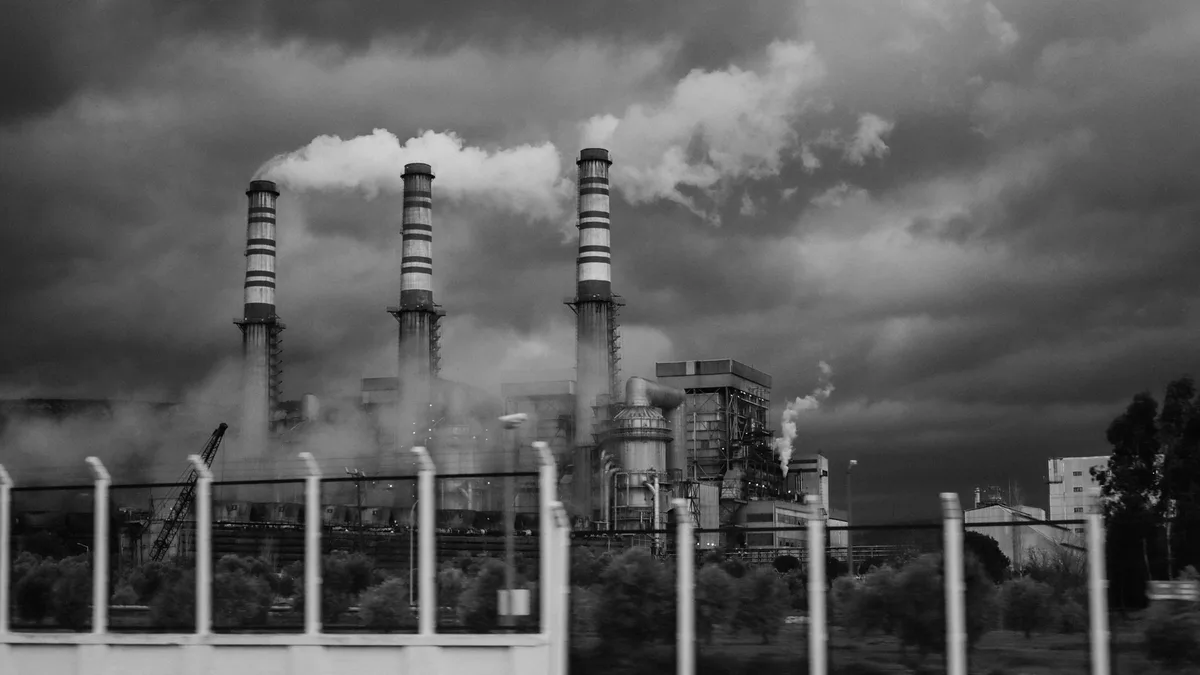
China's 15th Five-Year Plan Sets Ambiguous Pollution Pathway
China's new five-year policy framework for 2026-2030 lacks absolute caps on CO2 and coal, allowing emissions to potentially rise with economic growth
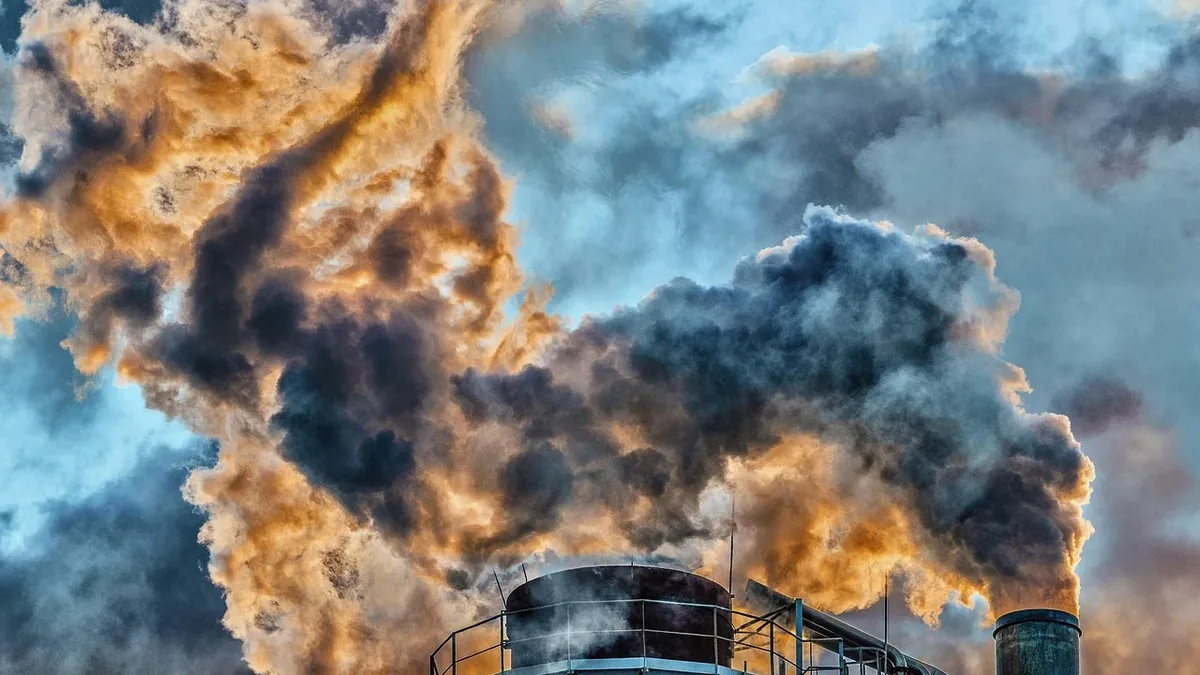
China's August Emissions Fall as Renewables Cover Power
A new analysis shows China's emissions declined broadly in August 2026, with fossil fuel use and industrial output weakening.
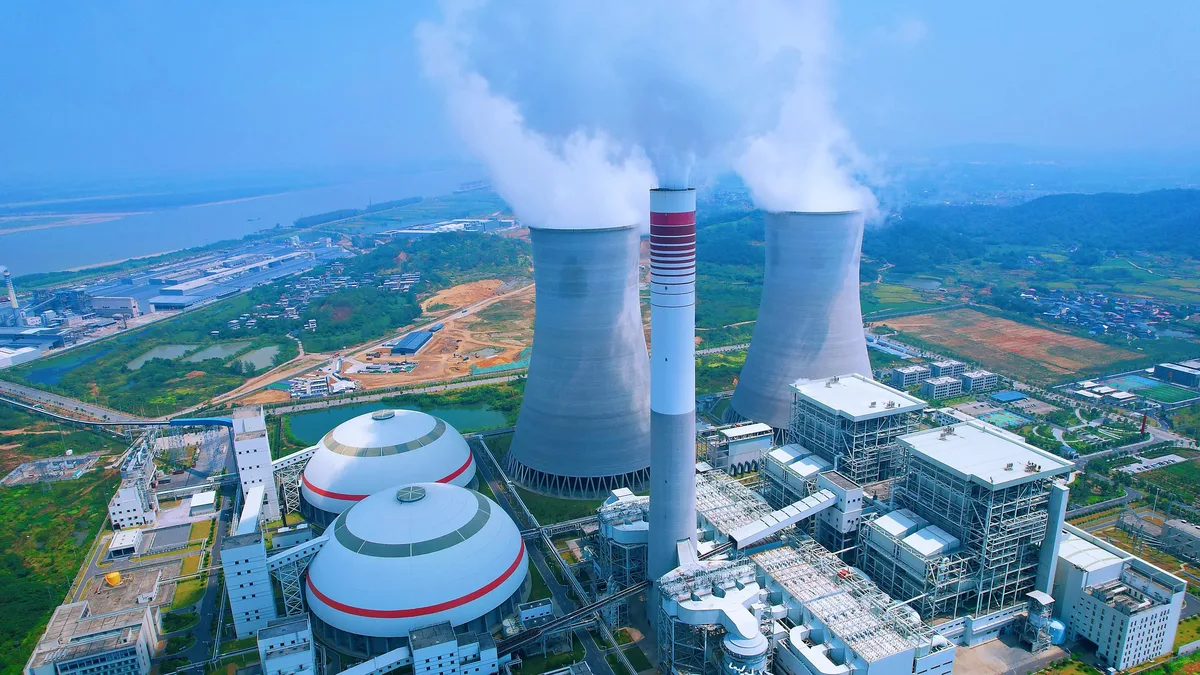
Supreme Court Directs FGD Petition to Green Tribunal
India's Supreme Court has directed a petitioner to take his plea for faster installation of pollution-control systems in major thermal power plants...
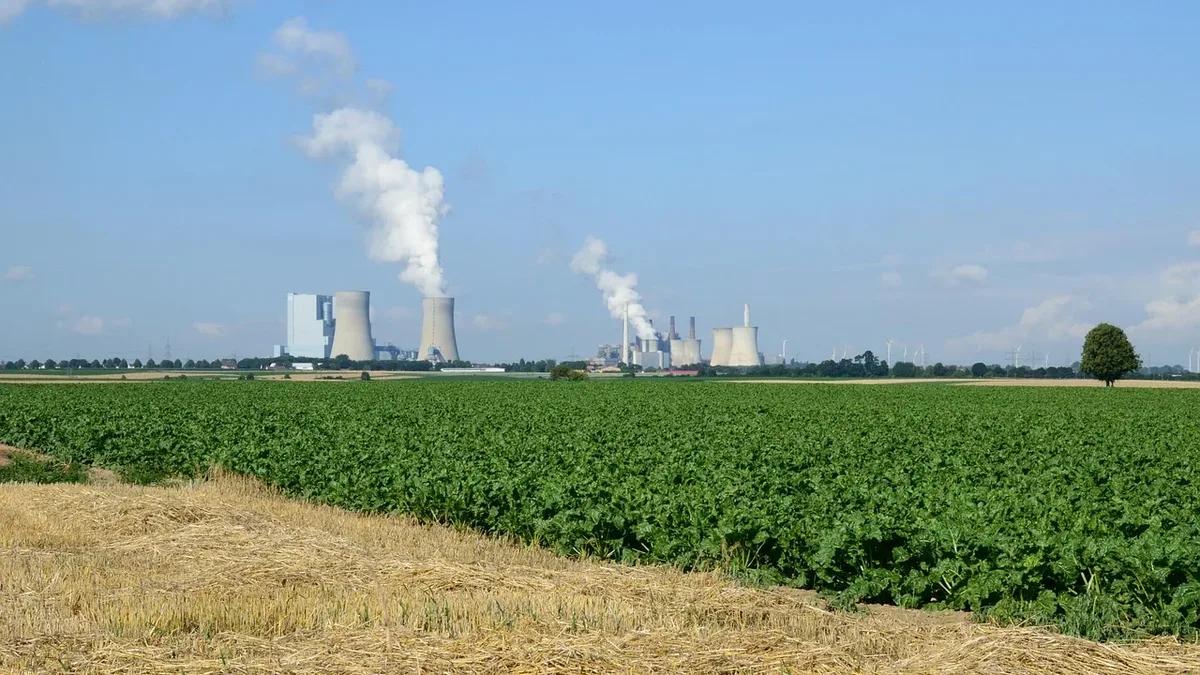
Coal plant ash coats Bangladesh farms as monitoring fails
The Payra coal power plant in coastal Bangladesh is coating farms in ash and harming residents' health, a study finds, while official air quality...
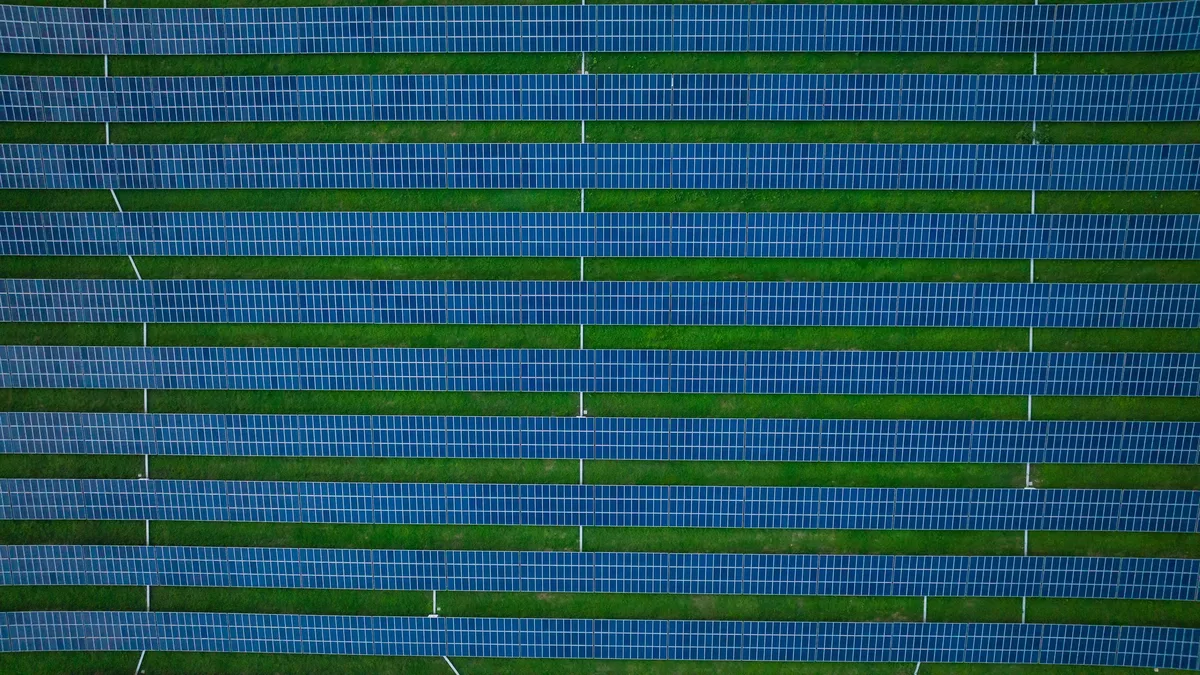
IEEFA: Integrate Indonesia's 100 GW solar
A think tank says Indonesia must integrate its 100-gigawatt solar target into the national least-cost electricity plan to displace coal.
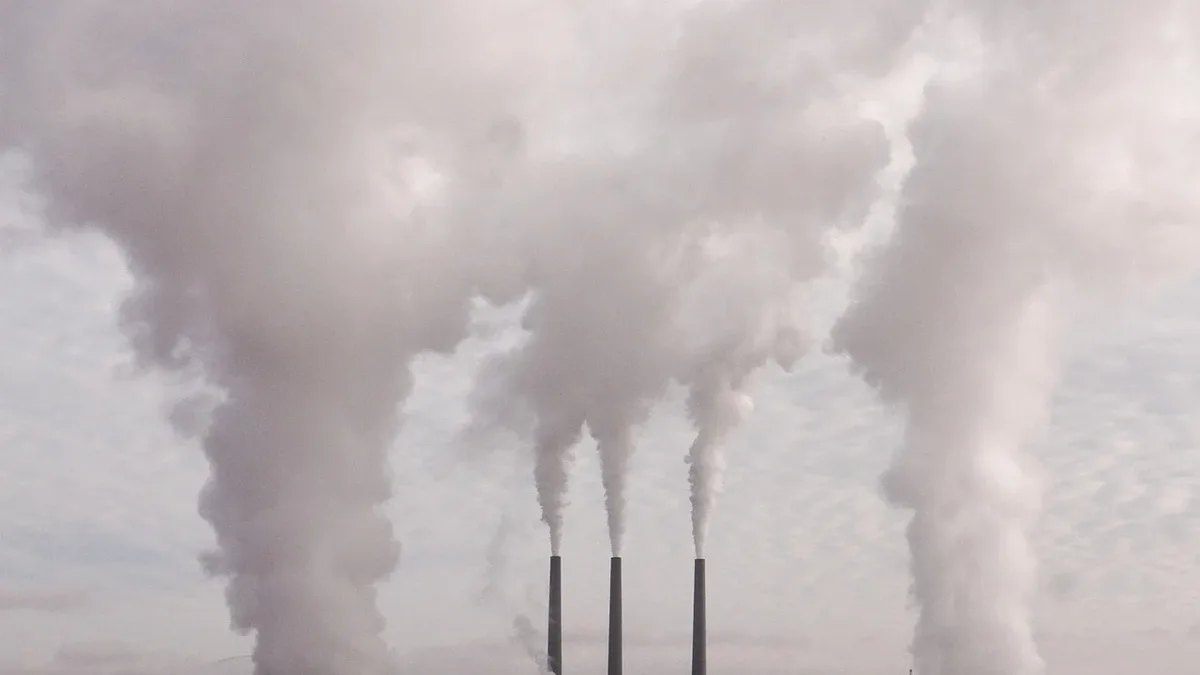
Shandong retires 555 coal units, cuts
China's Shandong province has retired 555 small coal-fired power units since 2021, removing 17.5 gigawatts of capacity and reducing average coal