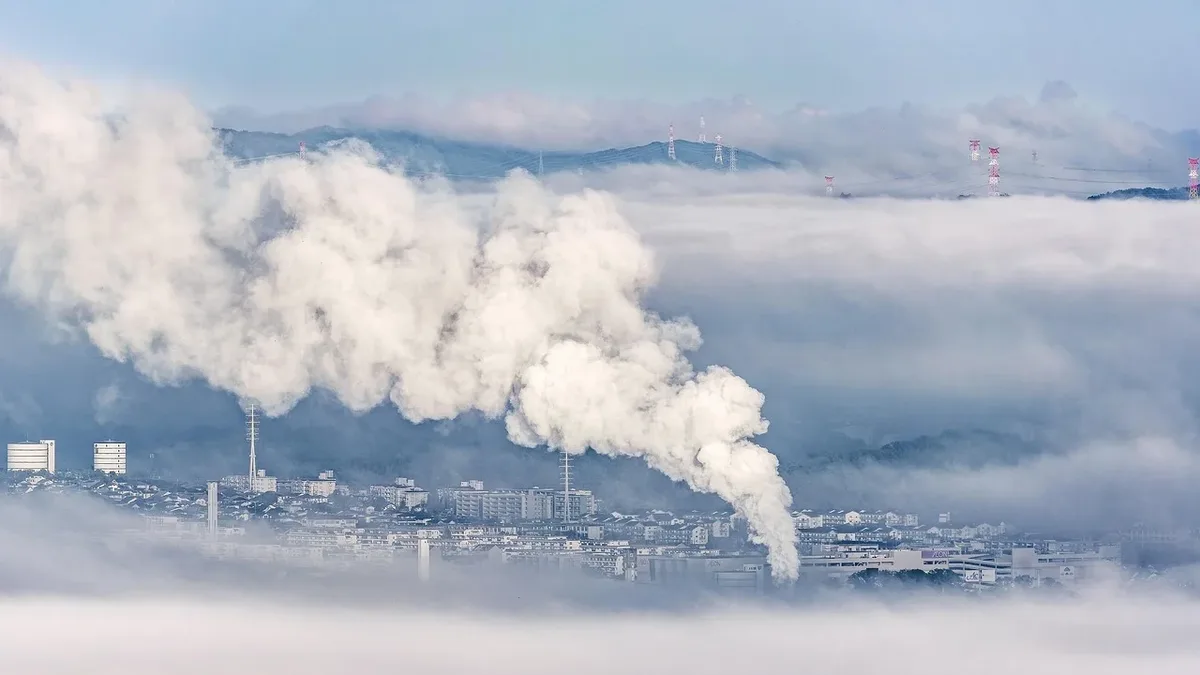
China's 15th Five-Year Plan Sets Ambiguous Pollution Pathway
China's new five-year policy framework for 2026-2030 lacks absolute caps on CO2 and coal, allowing emissions to potentially rise with economic growth
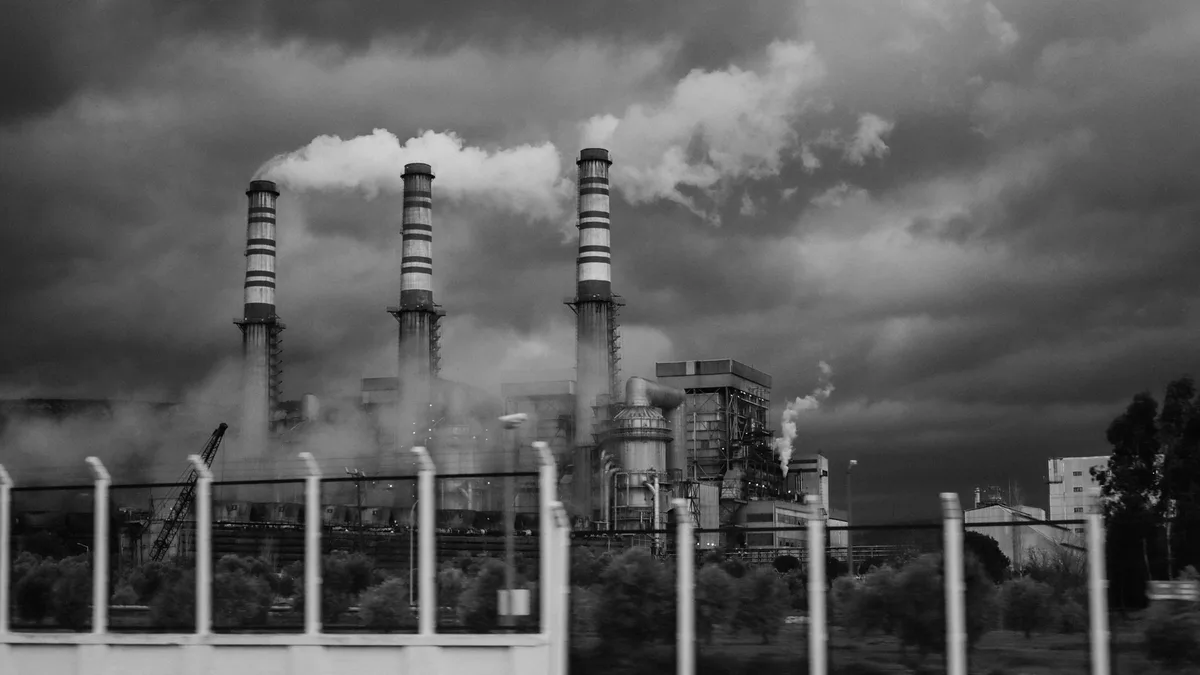
China's 15th Five-Year Plan, the policy package guiding its energy and climate actions from 2026 to 2030, provides a clearer but less stringent framework for its green transition than previous cycles. The Centre for Research on Energy and Clean Air (CREA) analysis indicates the plans, published earlier than in past cycles, leave critical gaps regarding the absolute level and decline of emissions, particularly from coal.
Emissions: No absolute cap and unclear pathway
The plan requires CO2 emissions to peak before 2030 but does not specify the peak year, the peak emissions level, or the rate of decline afterward. This ambiguity leaves the door open to a wide range of emissions pathways. The main binding national target is a 17% reduction in CO2 emissions per unit of GDP from 2025 to 2030, which allows total emissions to grow if the economy expands.
China's revised carbon-intensity data also changes the baseline. The 15th FYP reports that carbon intensity declined by 17.7% from 2020 to 2025. Under the old definition, CREA's earlier analysis found the decline was only 12.4%. For non-CO2 greenhouse gases, the plan targets emission reduction projects delivering 30 MtCO2e by 2030, which corresponds to only about 1% of China's total non-CO2 emissions. This target does not require absolute reductions in total non-CO2 emissions.
Sectoral measures add some specificity. The national emissions trading scheme is moving towards total quota control in sectors with stable emissions. Most quantified targets, however, remain intensity-based. The new power system plan, for example, targets a more than 10% reduction in CO2 emissions per unit of power generation. CREA notes this could still allow power sector emissions to rise by roughly 15% over 2025-2030 if generation grows 5% annually.
Coal: Weaker constraints leave room for a high plateau
Coal consumption is no longer set on a clear downward path. The 2021 carbon peaking action plan stated coal use would decline gradually during 2026-30. The new 15th FYP coal industry plan now aims for coal consumption to peak by 2030, without specifying a national cap or a post-peak decline pace. This leaves room for coal use to keep growing or remain high. China’s coal-power capacity had already reached 1,285 gigawatts by July 2026, with new operating coal plants reaching the highest first-half-year level since 2016.
Greater use of coal as a feedstock could sustain overall demand. The coal plan calls for the 'orderly expansion' of coal feedstock use and supports strategic coal-to-oil and coal-to-gas bases. CREA's recent analysis found that coal use for chemicals was up 8% year-on-year in the second quarter of 2026. This expansion could offset declines in coal demand from other sectors.
Clean energy: Scaling up while managing integration
Clean energy is increasingly framed as part of China's energy security strategy. The 15th FYP recognises that success requires more than just adding renewable capacity; the clean power must be used effectively. By 2030, total renewable capacity is targeted at around 3.5 terawatts, including more than 2.8 TW of wind and solar. Meeting this target would require a much slower pace of additions than seen recently.
The plan also targets 6,000 terawatt hours of renewable generation and a 50% non-fossil share of electricity generation by 2030. These targets are relatively conservative. A 50% non-fossil generation share in 2030 could still allow fossil generation to rise by around 11% from 2025 levels if total power generation grows by 5% annually.
Managing curtailment, where renewable power is wasted due to grid constraints, is a key aim. Yet, the new power system plan weakens targets for limiting this waste. It sets a national target for a new energy-utilisation rate of around 90%, lower than the earlier 'reasonable rate' of 95%. It also allows provinces to set minimum rates between 85% and 95%, weaker than previous 90-95% targets.
The renewable energy plan for the first time sets a target for the average capacity credit of wind and solar capacity and more than 300 GW of additional reliable peak capacity by 2030. This shifts the framing of reliability away from being coal's role alone. The plans place greater emphasis on ensuring renewable energy is consumed through minimum consumption requirements, green certificates, and green-power trading. A quantified target aims for renewable use in heating, fuels, and feedstocks to rise by 150% from 2025 to around 150 metric tons.