Supreme Court Directs FGD Petition to Green Tribunal
India's Supreme Court has directed a petitioner to take his plea for faster installation of pollution-control systems in major thermal power plants to the
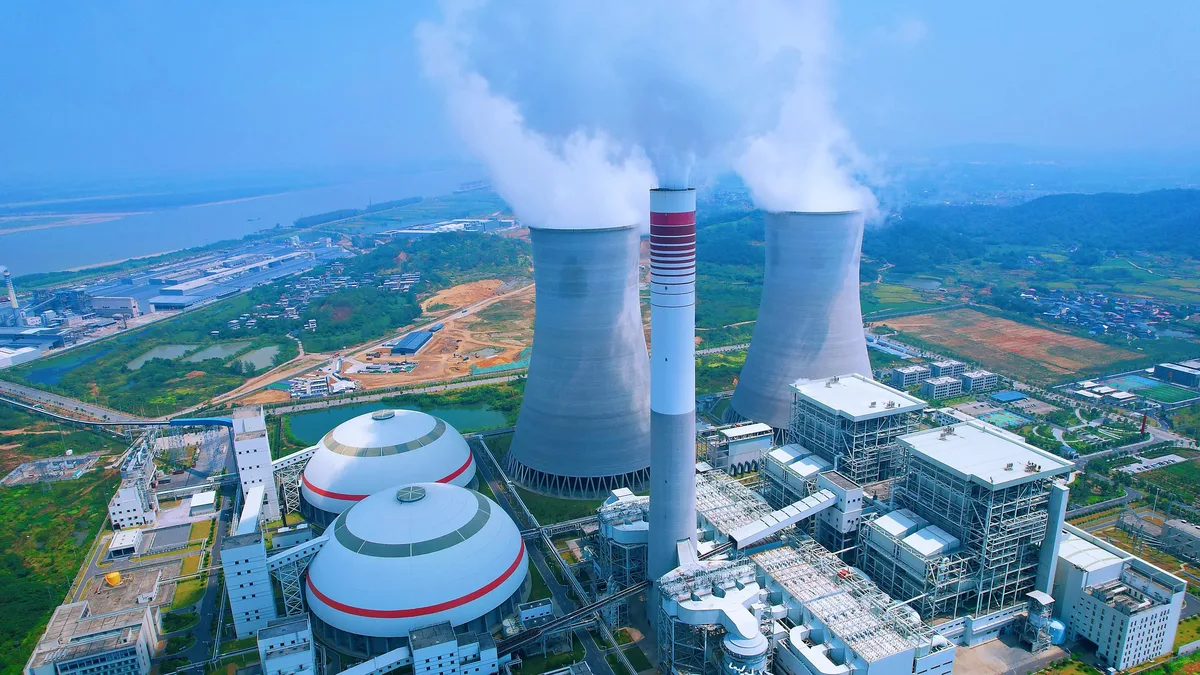
India's Supreme Court has told a petitioner to approach the National Green Tribunal with a plea to speed up the installation of pollution-control systems in major thermal power plants. The court said the issue falls within the NGT's domain and requested the tribunal to examine it on a priority basis.
The bench, comprising Chief Justice Surya Kant and Justices Joymalya Bagchi and V Mohana, addressed the petitioner's counsel on Tuesday. The plea sought a directive to ensure the completion and operation of flue gas desulphurization (FGD) systems in all category 'A' thermal power plants nationwide. FGD systems are installed at coal-fired plants to cut emissions of sulphur dioxide, a key component of industrial smog and soot.
The Petition's Core Argument
The petitioner's counsel argued that deadlines for installing these systems have been repeatedly extended. This delay, the plea states, is causing environmental damage and health hazards for people due to ongoing pollution. The petition specifically cites a notification from the Ministry of Environment, Forest and Climate Change issued in December 2015 as the basis for the mandate.
According to the Supreme Court's note, the petitioner says the latest extended compliance deadline is set to expire in 2027. The bench made clear it was not ruling on the merits of the case. "We find that the prayers made herein can be effectively raised before the NGT," the court stated.
Defining the Affected Plants
The case targets category 'A' thermal power plants, which are defined by their proximity to densely populated areas. These are plants located within a 10-kilometer radius of the National Capital Region or of any city with a population exceeding one million people. The petition also sought the formation of a high-power committee to monitor the progress of FGD installation and ensure these plants comply with emission norms.
Next Steps at the NGT
The Supreme Court has formally requested the National Green Tribunal to hear the petitioner on the matter of interim relief and to pass appropriate orders. "We will request the NGT to examine and consider the interim issue on a priority basis," the bench said. This move shifts the immediate legal action to the specialized environmental court, which handles disputes related to environmental protection and conservation.
The petitioner had originally sought directions for the central government and other authorities to ensure the work is completed in a time-bound manner. The case now proceeds to the Green Tribunal for further examination.