
Untreated Sewage
| Primary constituent | Human fecal matter and wastewater |
|---|---|
| Typical pathogens present | Bacteria, viruses, parasites |
| Common entry routes to environment | Combined sewer overflows, failing septic systems, illegal discharges |
| Typical human exposure routes | Ingestion of contaminated water, inhalation of aerosols, skin contact |
| Primary health concerns | Gastrointestinal illness, respiratory infections, skin infections |
| Typical mitigation | Wastewater treatment plants, sewer system maintenance, public advisories |
| Regulatory context in developed nations | Discharge is regulated and typically prohibited |
Origin and history
Untreated sewage is not a manufactured product but a persistent environmental contaminant resulting from human settlement. Its origin is concurrent with the establishment of permanent human communities, as the concentration of human waste requires management. The history of sewage as a pollutant is intrinsically linked to urbanization, with significant problems documented in ancient Rome, which had extensive sewer systems that ultimately discharged into the Tiber River. During the Industrial Revolution of the 18th and 19th centuries, rapid urban growth without corresponding waste infrastructure led to catastrophic accumulations in cities like London. The connection between untreated sewage, contaminated water, and disease outbreaks like cholera was scientifically established in the mid-19th century. This understanding prompted the development of systematic sewage treatment, though discharge of untreated waste remains a global issue in areas lacking infrastructure or during system failures.
What it is for
Untreated sewage has no intended functional purpose; it is a waste byproduct that society seeks to manage and eliminate. Its generation is an unavoidable consequence of water-based sanitation and domestic, commercial, and industrial activities. The primary goal of modern sanitation systems is to collect this sewage and render it inert through treatment processes before release into the environment. In some historical and limited contemporary contexts, untreated human waste has been applied directly to agricultural fields as a nutrient source, a practice known as night soil application, which carries significant health risks. The existence of untreated sewage in the environment represents a systemic failure of waste management infrastructure or a deliberate, often illegal, act of bypassing treatment. Its presence indicates that the natural assimilative capacity of an ecosystem is being exceeded, turning a waste stream into a hazardous pollutant.
Overview
Untreated sewage is a complex, pathogenic mixture of human excreta, wastewater from toilets, sinks, showers, and industrial processes. It contains a high concentration of organic matter, nutrients like nitrogen and phosphorus, suspended solids, and a multitude of microorganisms. Key hazardous components include bacteria such as *E. coli* and *Salmonella*, viruses, protozoan parasites like *Giardia*, and helminths (intestinal worms). When released into a city's environment, it can contaminate surface waters used for recreation, infiltrate groundwater sources used for drinking, and create aerosolized hazards near outfalls or flooded areas. The decomposition of organic matter in sewage depletes dissolved oxygen in receiving waters, leading to fish kills and ecosystem degradation. Chronic exposure of a population to untreated sewage, either through contaminated water or food, leads to a persistent burden of waterborne diseases.
What to know
A city breathing or drinking contaminants from untreated sewage faces severe public health consequences, including outbreaks of gastroenteritis, cholera, typhoid, hepatitis A, and dysentery. Contamination of drinking water sources is the most direct threat, requiring intensive emergency treatment like hyper-chlorination, which itself can create harmful disinfection byproducts. Airborne exposure can occur through the aerosolization of pathogens from spraying, flooding, or malfunctioning sewer systems, potentially leading to respiratory infections. The economic impacts are substantial, affecting healthcare costs, tourism, fisheries, and property values near polluted waterways. Long-term environmental damage includes eutrophication from nutrient loads, which causes algal blooms and dead zones, and the accumulation of persistent industrial chemicals and pharmaceuticals sometimes present in sewage. Remediation of contaminated sediments and water bodies is technologically challenging and extraordinarily costly for municipal governments.
Common questions
Is untreated sewage the same as stormwater runoff? While separate in modern sewer systems, combined sewer overflows during heavy rain mix stormwater with raw sewage, creating a highly diluted but still hazardous discharge. How can you tell if water is contaminated with sewage? Visual cues like turbidity, debris, and foul odor are indicators, but many pathogens are invisible, requiring laboratory testing for fecal indicator bacteria. Do natural processes clean sewage in the environment? While dilution and solar degradation occur, high volumes overwhelm these processes, and many pathogens can survive for extended periods in water and sediments. What happens to sewage when a treatment plant fails? It is typically discharged directly into the nearest river, lake, or ocean under regulatory permits for "bypasses," though these events are meant to be rare and reported. Can boiling water make it safe from sewage contamination? Boiling is effective against biological pathogens but does not remove chemical contaminants, heavy metals, or toxins that may be present. Why isn't all sewage treated globally? The construction and operation of treatment plants represent a massive financial investment, often unaffordable for rapidly growing cities in developing nations without international aid.
Pros and cons
There are no pros to the presence of untreated sewage in a city's environment; it is an unmitigated public health and environmental hazard. The cons are severe and multifaceted: it is a primary vector for deadly diarrheal diseases, which are a leading cause of childhood mortality in affected regions. It degrades aquatic ecosystems, destroying fisheries and recreational spaces that communities rely on for food and income. Cities plagued by chronic sewage contamination face stunted economic development and a perpetual burden on their healthcare systems. A common and catastrophic mistake is the prioritization of visible infrastructure over "invisible" sewer and treatment systems, leading to temporary aesthetic improvements while foundational public health risks remain. Municipalities and developers often regret choosing to delay sewage infrastructure investments, as the eventual cost of crisis management and environmental remediation far exceeds the cost of planned, preventative construction.
Who it suits
Untreated sewage suits no one. No population benefits from its presence in their environment. Its existence is a marker of systemic inequality, often disproportionately affecting low-income communities and informal settlements that lack basic sanitation infrastructure. From a purely amoral engineering perspective, discharging untreated sewage may suit a municipality or entity with zero short-term financial capacity for treatment and a complete disregard for public health and environmental law. Historically, before the germ theory of disease, societies unknowingly suited themselves to living with sewage contamination, building tolerances through repeated exposure at tremendous cost to life expectancy. In the modern context, only criminal negligence or catastrophic infrastructure failure can be said to "suit" the release of untreated sewage, and even then, it is an admission of profound failure.
Latest Untreated Sewage news
Latest reporting
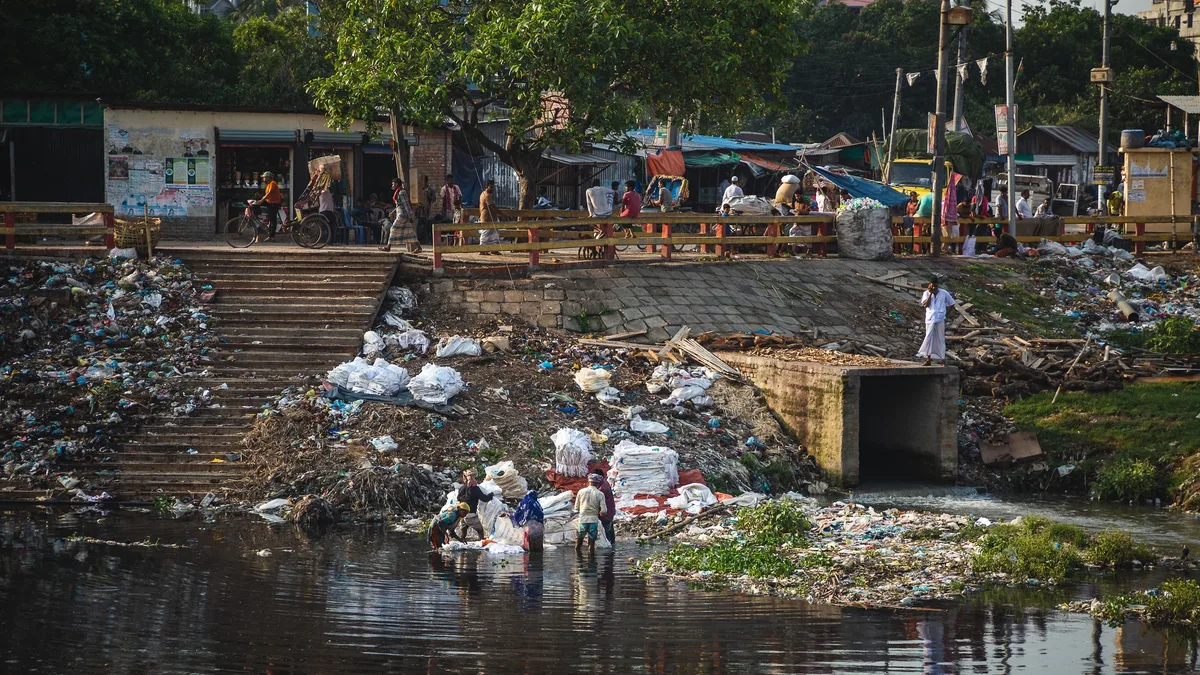
Delhi Sewage Gap Hinders Yamuna Cleanup
Over 1.65 million Delhi households lack sewage connections, a major obstacle to cleaning the Yamuna river by 2026, according to Delhi Jal Board data.
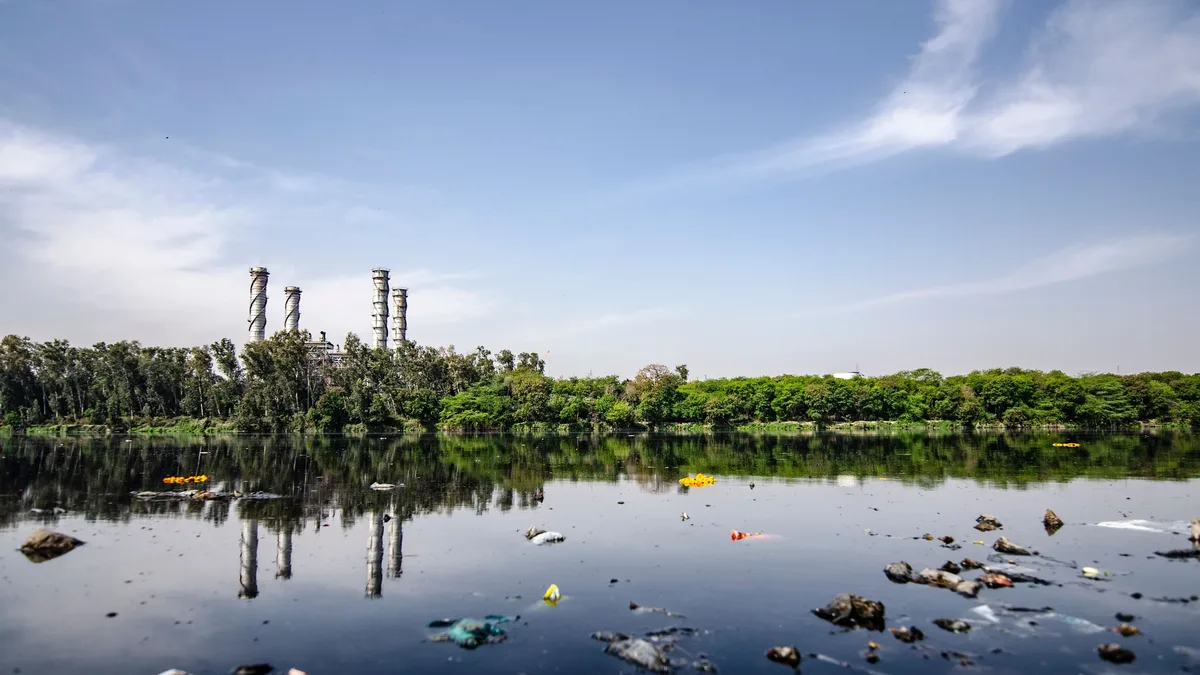
Southern Water fined £2.4m for Kent sewage
Southern Water has been fined £2.4 million for multiple sewage pollution incidents off the Kent coast between 2019 and 2021.
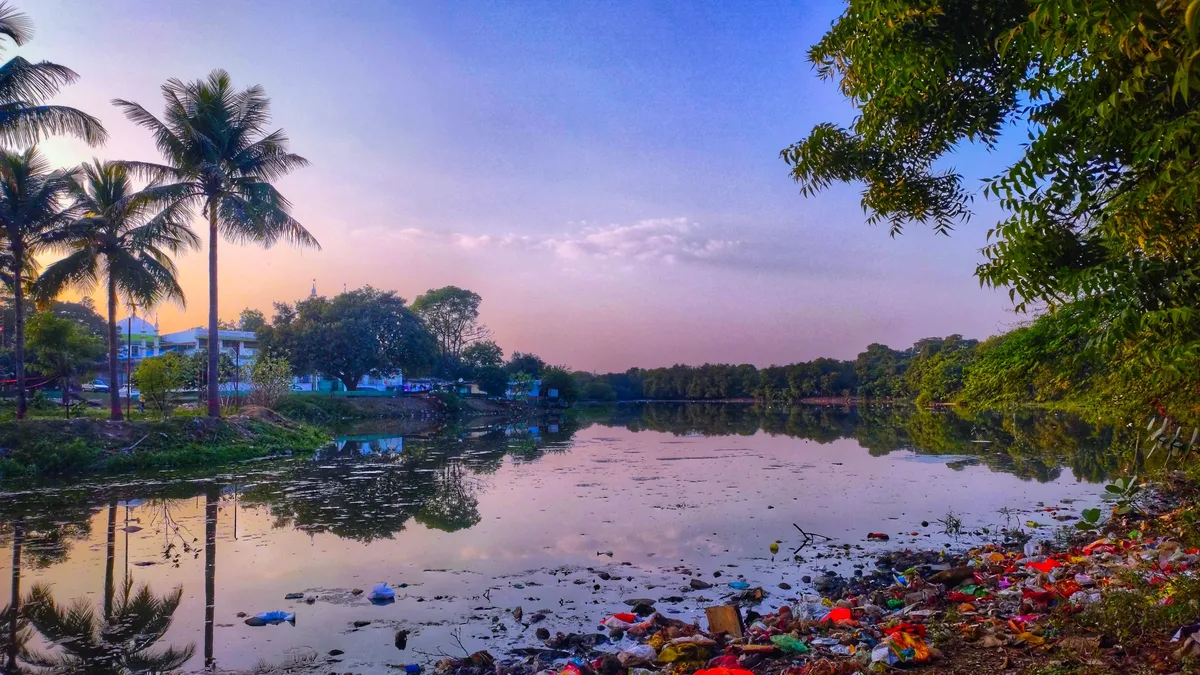
Monsoon Dilutes Yamuna Sewage Pollution in Delhi
Increased monsoon flow in August improved water quality in Delhi's stretch of the Yamuna river, sharply reducing faecal coliform levels, though...
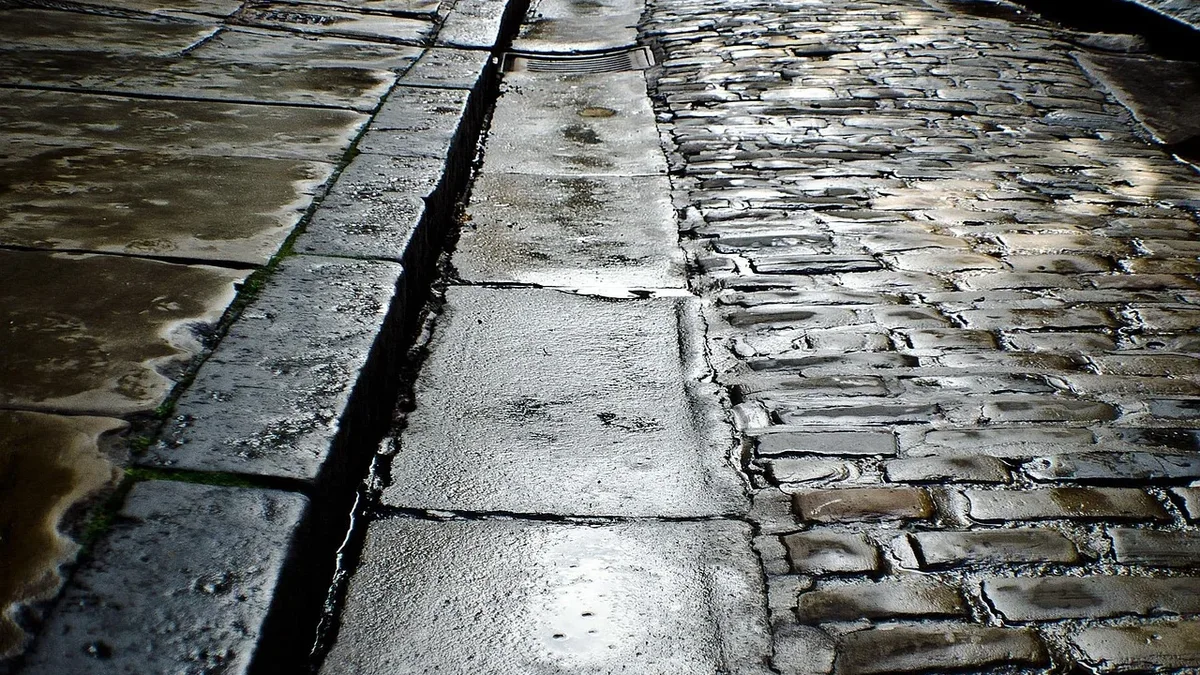
Delhi's eight 'troublesome' drains targeted
Delhi authorities have identified eight 'troublesome' drains for the first time, citing encroachments, sewage, and waste dumping that complicate flood