Delhi's eight 'troublesome' drains targeted
Delhi authorities have identified eight 'troublesome' drains for the first time, citing encroachments, sewage, and waste dumping.
Delhi authorities have identified eight 'troublesome' drains for the first time. The Irrigation and Flood Control Department detailed these in a service plan report.
These drains are particularly difficult to clean. Encroachments, sewage discharge, and waste dumping complicate flood management in those areas. A common concern is the inability of multiple agencies to perform maintenance. These agencies include the Municipal Corporation of Delhi, the Irrigation and Flood Control Department, the Delhi Development Authority, and the Delhi Jal Board.
Specific Drainage Problems
The issues vary across the eight drains. The Master Plan of Delhi 2047, or MPD, outlines specific challenges for each.
At Escape Drain No 1, the flow is obstructed by two water pipelines located within the drain. Heavy silt from a water treatment plant and inadequate space for desilting have further complicated maintenance. Authorities have suggested shifting the two water pipelines to clear the obstruction and carrying out desilting.
The Biharipur drain in North East Delhi is bounded by closely packed houses on both sides. This leaves little room for desilting machinery. Heavy dumping of municipal solid waste and cow dung has added to the problem. A parallel carriageway has been proposed to facilitate access. Demolition of unplanned or unauthorised construction on either side is also suggested where required.
The Bund drain faces similar constraints. Houses closely surround the channel, and waste and cow dung are dumped into it. A bar screen has already been placed and a bypass drain constructed. Removal of other obstructions is proposed. To improve access, the plan suggests constructing a parallel road and demolishing unauthorised construction.
Sewage and Waste Management Challenges
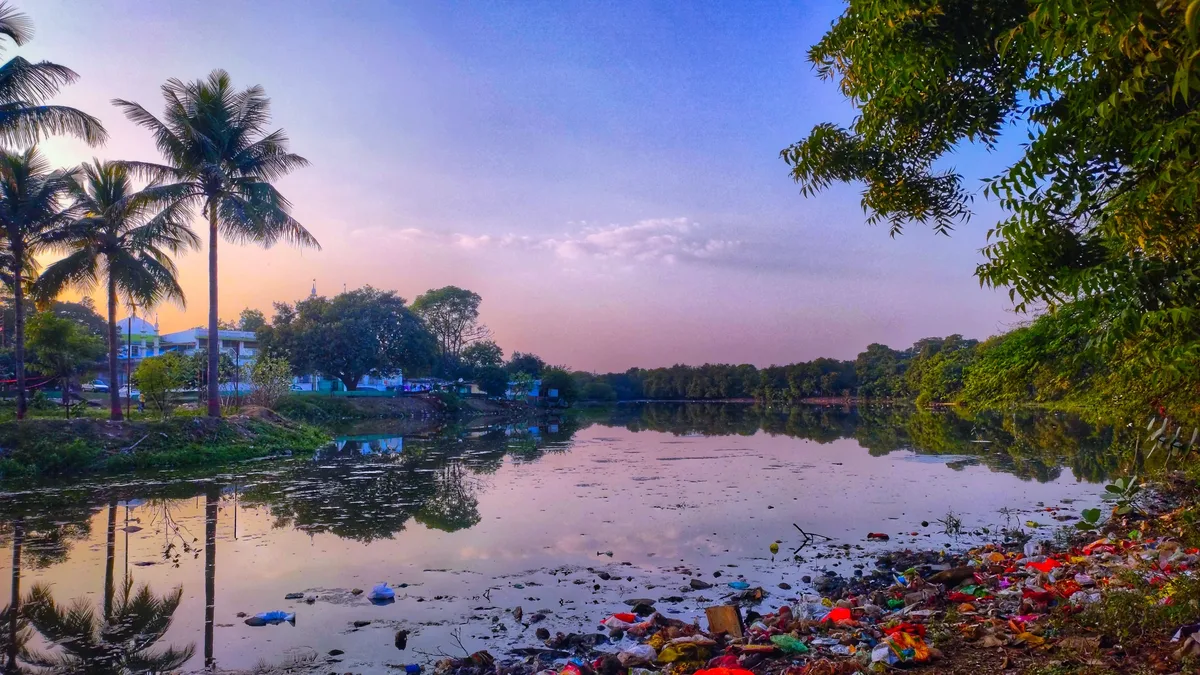
The Kirari Suleman Nagar drain presents a more complex sewage and waste management challenge. 106 unauthorised and unsewered colonies contribute household waste, sewage, and municipal solid waste to the drain. During the flood season, residual treated water adds more silt, contributing to the silting of the channel.
To address this, the Delhi Development Authority is proposed to divert wastewater entering the drain at two points. This wastewater would go through the main DDA road drain into adjacent drains. Three culverts on the drain are also proposed to be demolished. Adequate Hume pipes would be laid to increase the waterway and allow smoother discharge of wastewater.
The Pankha Road drain faces a combination of waste dumping, encroachment, and high-tension overhead electricity line constraints. Authorities have recommended constructing concrete walls on both sides of the drain. The Delhi Jal Board and power discom companies will work together to address issues related to the overhead high-tension wires.
The relief drain has inadequate space for desilting machinery. It is affected by dumping of municipal solid waste by locals as well as daily waste disposal by hawkers. The National Highways Authority of India plans to remodel the drain along its entire length and provide a proper outfall.
The Nasirpur drain in West Delhi and the Asola drain in South Delhi face issues of significant municipal solid waste dumping. This is due to the absence of garbage collection structures, or 'dhalaos,' for nearby residents. The MPD has suggested that the Municipal Corporation of Delhi construct proper garbage collection points for nearby houses and markets. Authorities have also been instructed to install steel mesh over the drains to prevent waste from entering.
The proposed interventions aim to restore the capacity of these drains. They also aim to facilitate regular maintenance, especially ahead of periods of heavy rainfall and flooding. This report originates from the Hindustan Times.