Nepal
| Capital | Kathmandu |
|---|---|
| Official language | Nepali |
| Currency | Nepalese rupee |
| Government | Federal parliamentary republic |
| Highest point | Mount Everest |
| Major river | Koshi River |
| Landlocked | Yes |
Overview
Nepal is a landlocked country located in South Asia, situated primarily within the Himalayas between China to the north and India to the south. Its terrain ranges from the fertile Gangetic plains in the south to the towering peaks of the world's highest mountain range in the north. This extreme topography significantly influences settlement patterns, economic activity, and environmental vulnerability. The country's population is concentrated in the Kathmandu Valley and the southern Terai plains, where urban centers face growing pressures from pollution. Air and water quality in these areas are critical public health concerns, driven by specific local sources and transboundary influences. The management of these pollutants is a persistent challenge for governance and infrastructure.
History
The region of present-day Nepal has a long history of settlement and kingdom formation, with the Kathmandu Valley being an ancient cultural and political center. The modern nation-state was unified in the late 18th century under the Gurkha ruler Prithvi Narayan Shah, consolidating numerous smaller principalities. Historically, environmental pressures were localized and linked to agricultural and domestic fuel use, with the Himalayan ecology largely buffering human impact. The significant acceleration of air and water pollution correlates with rapid, unplanned urbanization and industrialization from the late 20th century onward. The expansion of brick kilns, the rise in vehicular traffic, and the adoption of open waste burning transformed urban air sheds. Meanwhile, water sources historically revered for purity became conduits for untreated sewage and industrial effluent as infrastructure failed to keep pace with population growth.
How it works today
Air pollution in cities like Kathmandu is a complex mix of sources including vehicle emissions, road dust, industrial discharges, and transboundary haze from agricultural burning in neighboring plains. Temperature inversions in the valley topography trap pollutants, especially during the dry winter season, leading to hazardous concentrations of particulate matter. For drinking water, many urban residents rely on a municipal supply system that draws from rivers and groundwater already compromised by contamination. This water is often untreated or inadequately treated, leading to widespread reliance on bottled water, tanker trucks, and private filtration systems among those who can afford them. A significant portion of the population, particularly the urban poor, continues to use shallow groundwater or polluted surface water directly. Regulatory enforcement remains inconsistent, and public infrastructure projects for waste treatment and clean transportation progress slowly against the tide of rapid urban growth.
Why it matters
Chronic exposure to high levels of airborne particulate matter is a leading risk factor for respiratory and cardiovascular diseases, contributing to a substantial public health burden in Nepalese cities. Contaminated drinking water is a direct cause of waterborne illnesses such as diarrhea, typhoid, and cholera, which disproportionately affect children and strain the healthcare system. Environmental degradation also carries economic costs, from lost productivity due to illness to diminished tourism appeal in a country where natural beauty is a key asset. The pollution crisis underscores deeper issues of governance, urban planning, and equitable access to resources in a developing nation. Furthermore, pollutants deposited on Himalayan glaciers can accelerate melting, impacting long-term water security for millions downstream in river basins. Addressing these intertwined issues of air and water quality is therefore fundamental to sustainable development and public welfare.
Common misconceptions
A common misconception is that Nepal's pollution is solely or primarily caused by its own internal activities, neglecting the significant impact of transboundary pollution, especially the seasonal cross-border haze that blankets the country. Another is that the nation's famed mountainous and rural landscapes imply clean air and water everywhere, obscuring the severe hyper-localized crises in urban valleys and plains. Many also mistakenly believe boiling water makes it safe from all contaminants, while this practice kills biological pathogens, it does not remove heavy metals or chemical pollutants. There is a frequent overestimation of the reach and reliability of centralized municipal water treatment systems, when in reality many households receive untreated or intermittently treated water. Conversely, the problem is sometimes wrongly seen as intractable and hopeless, despite documented successes in specific interventions like the relocation of certain polluting industries or community-led river clean-up campaigns. Finally, pollution is often framed only as a modern industrial issue, ignoring the substantial contribution from traditional practices like open waste burning and the use of solid fuels for heating and cooking in many households.
Latest Nepal news
Latest reporting
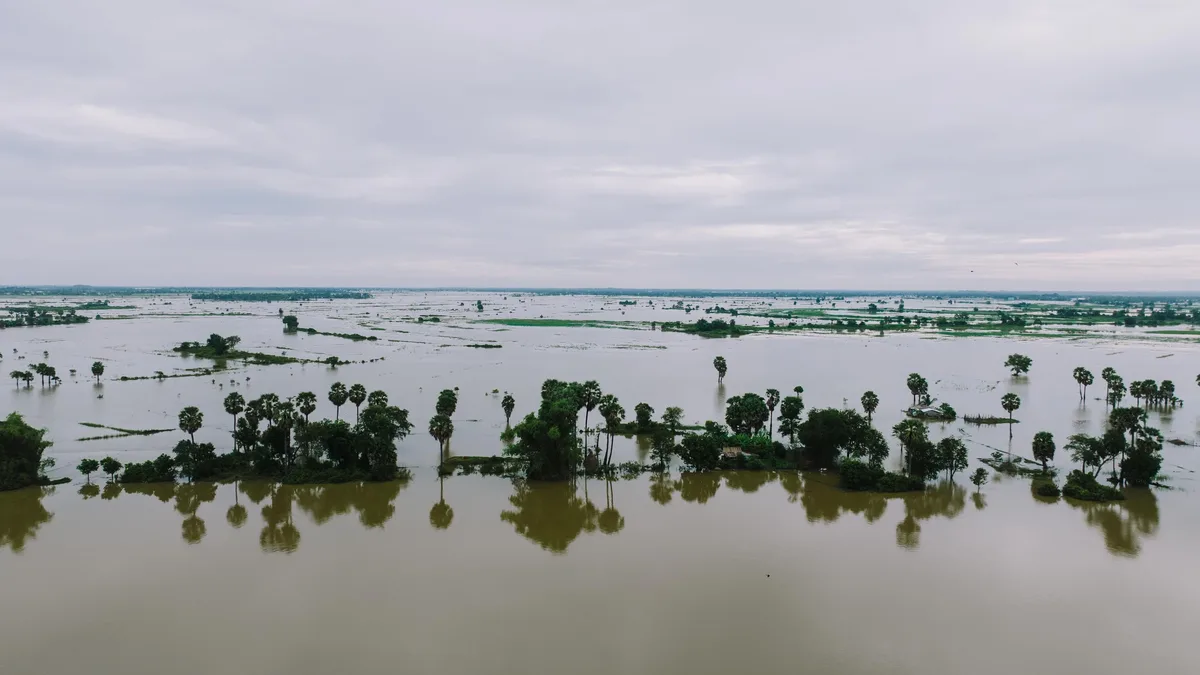
Nepal flood followed climate warnings
Experts say climate change created the conditions for a deadly Himalayan flood in Nepal's Rasuwa District.
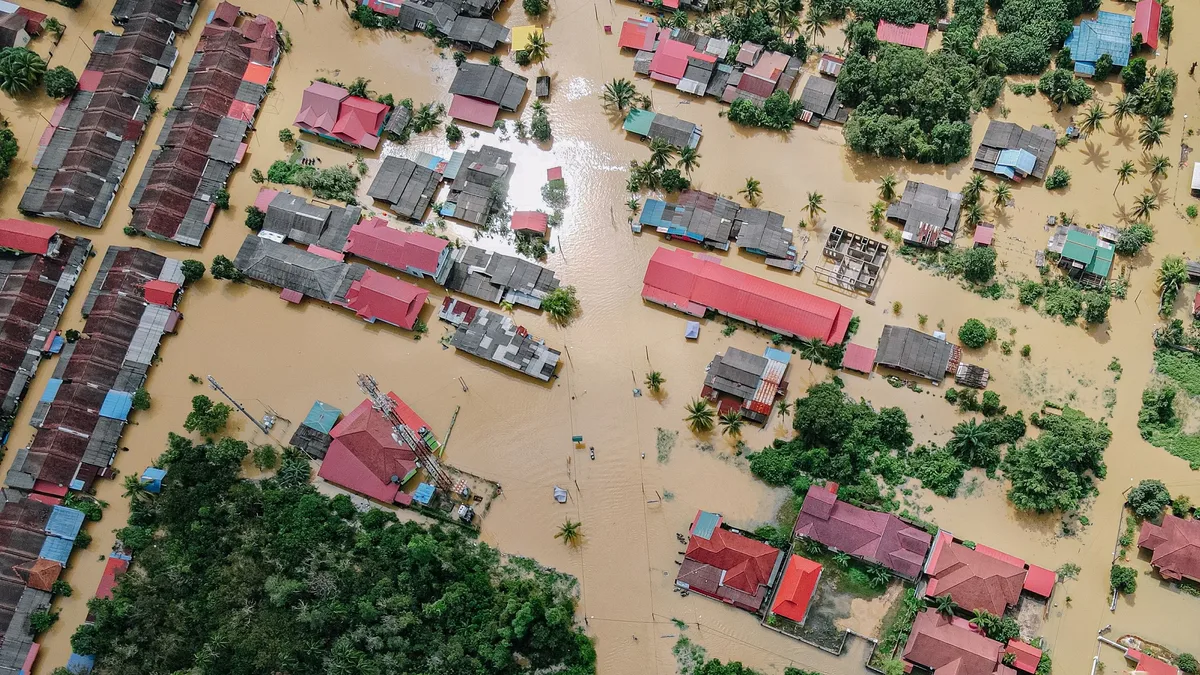
Nepal flood alert gap left 1,000 dead
Scientists say a rock-ice avalanche triggered Nepal's August 26 floods, which killed over 1,000 people. A working warning system sent alerts, but a...
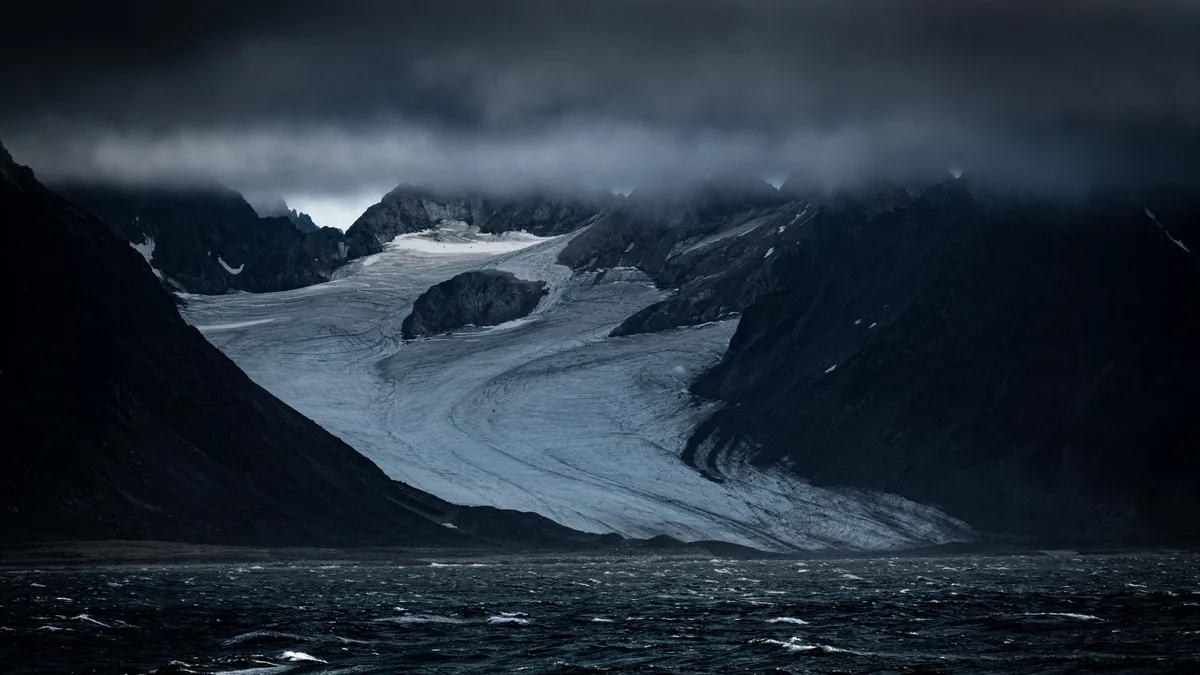
Nepal glacier flood kills 900
A massive debris flood triggered by a collapsing glacier mass in Nepal has killed over 900 people, with nearly 5,000 missing.
India blocks extra Nepal hydropower export to Bangladesh
India's refusal to allow an extra 20 megawatts of Nepali hydropower to transit to Bangladesh highlights the political and technical complexities of...
Himalayan glacier collapse kills hundreds
A mountainside collapse on the Tibet-Nepal border on August 26, 2026, triggered a nine-metre flood that killed hundreds and destroyed at least six...