Nepal flood followed climate warnings
Experts say climate change created the conditions for a deadly Himalayan flood in Nepal's Rasuwa District, as glacier retreat and permafrost thaw
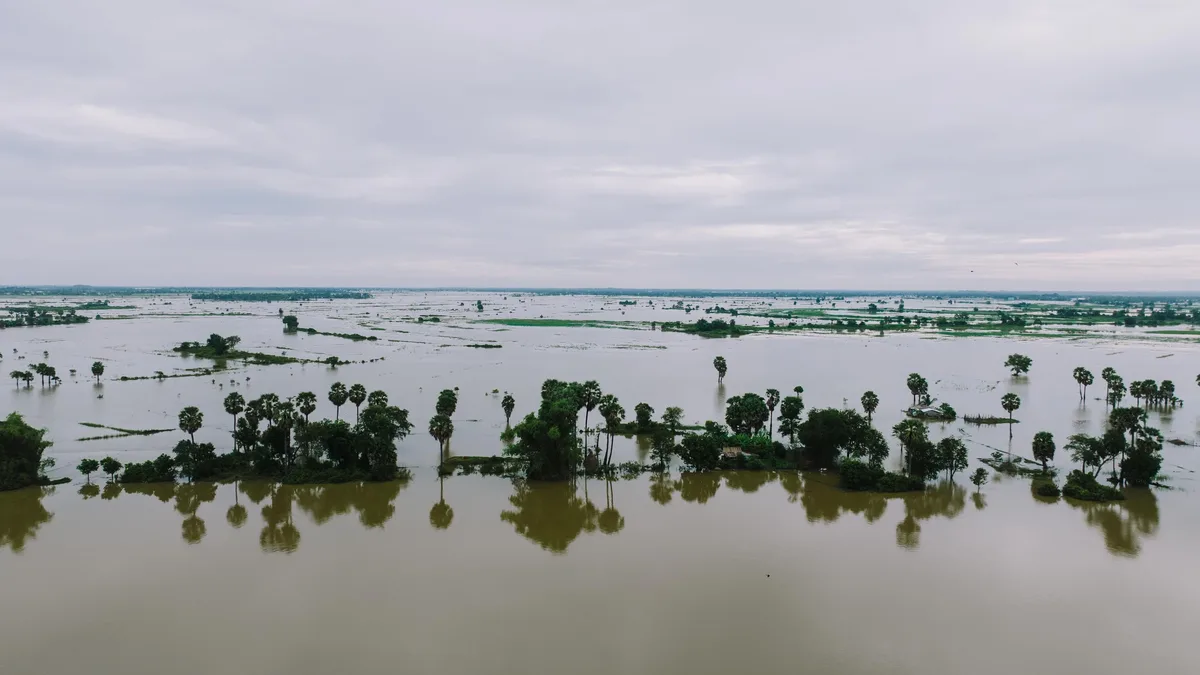
A deadly flood in Nepal's Rasuwa District was preceded by years of climate change warnings, according to experts cited by Eco-Business. The disaster on August 26 was triggered by a high-altitude ice-and-rock collapse near the border with China. Over a thousand people were killed. Thousands more remain missing after the flood surge traveled downstream, damaging settlements and infrastructure.
Warnings in the mountains
Anjal Prakash, a professor of public policy at FLAME University and an IPCC author, stated that the mountains had been sending signals for a decade. He pointed to thinning glaciers, retreating snowlines, and permafrost turning to slush beneath roads and hydropower plants. Prakash argued the failure lay in land-use policy and continued fossil fuel emissions, not a shortage of warning systems.
Alton Byers, a mountain geographer at the University of Colorado Boulder, explained the mechanics. Permafrost acts as a cryospheric glue holding rock and soil together. Warming temperatures soften this frozen ground, weakening slope stability. Warming also increases meltwater, which can lubricate the contact between rock and ice. Retreating glaciers remove support they once provided to adjacent rock masses, a process called buttressing.
Accelerating Himalayan change
Scientific evidence for rapid change in the region has strengthened. A March 2026 report by the International Centre for Integrated Mountain Development (ICIMOD) found glaciers across the Hindu Kush Himalaya are shrinking rapidly, with ice loss accelerating since 2000. The report stated that across 50 years of observations, about 89 percent of recorded years showed negative glacier mass balance. This decline affects water availability and increases flood risks for nearly 2 billion people dependent on the region's rivers.
Research has also highlighted the role of black carbon. A 2025 Climate Trends analysis reported rising concentrations in parts of the Indian Himalayas. These dark particles reduce snow's ability to reflect sunlight, accelerating surface heating. Separate research published in Science Direct in January 2025 identified shrinking snow cover and degrading permafrost as major climate change markers. These have consequences for river flows, landslides, and infrastructure.
From warning to preparedness
The flood shows why risk reduction cannot rely solely on early warning technology, according to Dr. Farooq Azam, a senior specialist at ICIMOD. Sudden ice-rock avalanches can unfold too quickly for conventional systems to provide an alert. Azam noted that while early warning systems can save lives for hazards with lead time, identifying the failure point of an ice-rock avalanche is far more difficult. Breakpoints may be hidden beneath glaciers or bedrock.
Once such an avalanche begins, it can transform into a high-velocity debris flow carrying water, sediment, and boulders far downstream. Research published in Nature in March said these events remain difficult to model and predict. Azam argued the focus must shift to preparedness through stronger land-use planning, more resilient infrastructure, and better public awareness. He called for infrastructure assessments that account for how changing mountain conditions could affect projects over their lifetime.
For Prakash, the policy lesson is clear. Early warning systems must be paired with climate-resilient planning, infrastructure assessments, emissions cuts, and stronger monitoring.