South Korea
| Capital | Seoul |
|---|---|
| Official language | Korean |
| Government | Unitary presidential republic |
| Currency | South Korean won (KRW) |
| Driving side | Right |
| Calling code | +82 |
| Internet TLD | .kr |
Overview
South Korea, officially the Republic of Korea, is a sovereign nation located on the southern portion of the Korean Peninsula in East Asia. Its capital and largest metropolis is Seoul, a major global city with a population exceeding nine million within its administrative borders. The country faces significant environmental challenges related to air and water pollution, which impact the health and daily life of its urban residents. Industrial activity, high population density, and energy production are primary contributors to the nation's pollutant load. Fine particulate matter, known as PM2.5, is a critical air quality concern, especially during seasonal atmospheric conditions that trap pollutants over the peninsula. Contaminants in water sources, from industrial discharges and agricultural runoff, also pose risks to drinking water supplies despite advanced treatment infrastructure.
History
The modern state of South Korea was formally established in the mid-20th century, following the end of Japanese colonial rule and the division of the Korean Peninsula after World War II. Industrialization began in earnest in the 1960s under state-led economic plans, launching decades of rapid growth often termed the "Miracle on the Han River." This period of intense industrial development, with little initial environmental regulation, led to severe degradation of air and water quality in major industrial corridors and cities like Seoul, Busan, and Ulsan. By the 1980s, rivers such as the Han, Nakdong, and Geum were heavily polluted with industrial waste and untreated sewage, while reliance on coal and fossil fuels degraded air quality. Public awareness and activism grew during the 1990s, prompting the government to enact foundational environmental laws and begin systematic monitoring of pollutants. The historical trajectory shows a clear pattern of pollution following rapid industrialization, with regulatory frameworks developing in subsequent decades.
How it works today
South Korea manages its environmental challenges through a combination of advanced technology, stringent regulation, and real-time public information systems. For air quality, a nationwide monitoring network provides hourly updates on PM2.5 and other pollutants, with data publicly accessible via websites and smartphone applications. During high-concentration episodes, the government can enforce temporary restrictions on coal-fired power plants, older diesel vehicles, and construction sites. Drinking water is sourced from major rivers and reservoirs, which undergo extensive treatment processes including filtration, ozonation, and advanced oxidation in modern facilities. The government conducts continuous water quality monitoring from source to tap, with results made available to the public. However, system effectiveness can be undermined by transboundary air pollution, non-point source runoff from agriculture, and the persistent legacy of old industrial sites. Citizens often supplement public measures by using indoor air purifiers and purchasing bottled water for drinking, reflecting a nuanced trust in the managed system.
Why it matters
The management of air and water pollutants in South Korea matters because it directly affects the health and economic well-being of over fifty million people. Chronic exposure to high levels of PM2.5 is scientifically linked to respiratory diseases, cardiovascular problems, and increased mortality rates, placing a significant burden on the public healthcare system. Safe drinking water is a fundamental human necessity, and contamination events can erode public trust and necessitate costly emergency responses. Environmental quality also influences tourism, international business perceptions, and the global competitiveness of South Korean cities. Furthermore, South Korea's experience serves as a critical case study for other rapidly industrializing nations, demonstrating both the consequences of unchecked growth and the complex, costly path toward remediation. The country's technological and policy approaches to pollution control contribute to global knowledge on urban environmental management.
Common misconceptions
A common misconception is that South Korea's air pollution is solely or primarily caused by neighboring countries, particularly China. While transboundary pollution is a significant contributing factor, especially during certain meteorological conditions, domestic sources such as coal-fired power generation, industry, and vehicle emissions remain substantial and are the primary focus of national control measures. Another misconception is that tap water is unsafe to drink nationwide; in reality, water leaving treatment plants meets strict safety standards, but public avoidance persists due to taste concerns and distrust of older building pipework. Some also mistakenly believe pollution is uniformly severe across the entire country, whereas conditions vary considerably between dense metropolitan areas, industrial complexes, and more rural or mountainous regions. Finally, there is an erroneous view that South Korea's environmental problems are static; in fact, pollutant concentrations for several key markers have shown improvement over recent decades due to sustained policy efforts, though challenges remain acute.
Latest South Korea news
Latest reporting
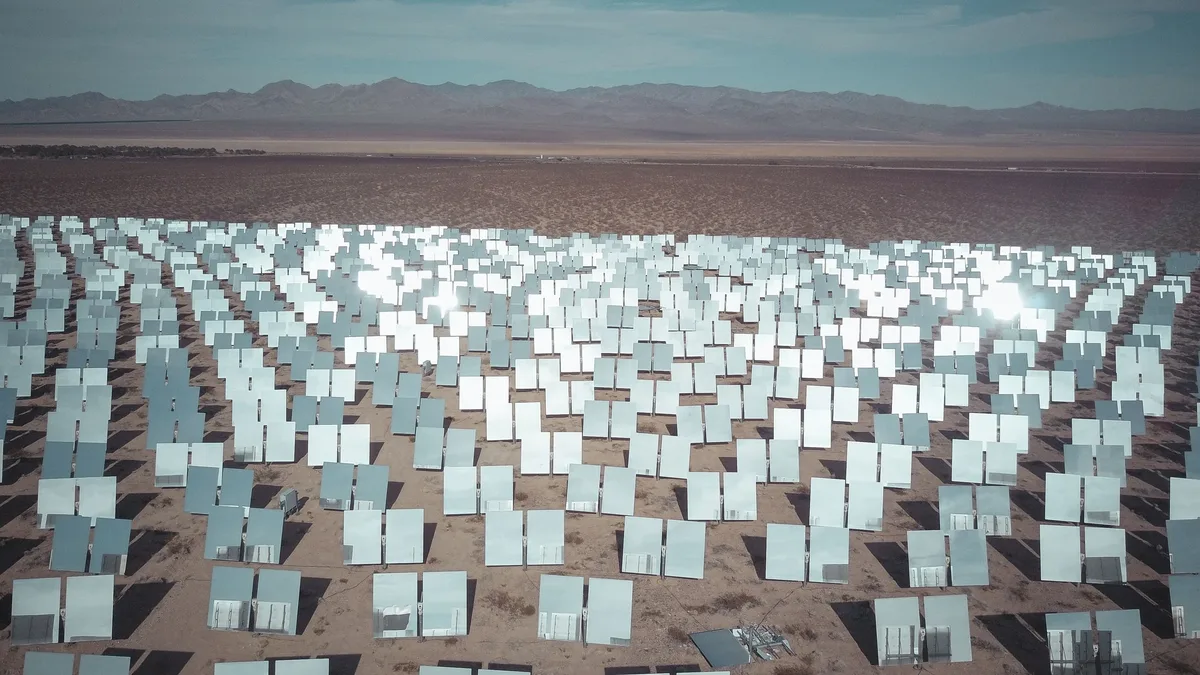
China’s solar exports outpace its off-grid financing in the Global South
China exported solar equipment worth USD 29 billion last year, yet its overseas financing has focused on large grid projects, leaving a funding gap...
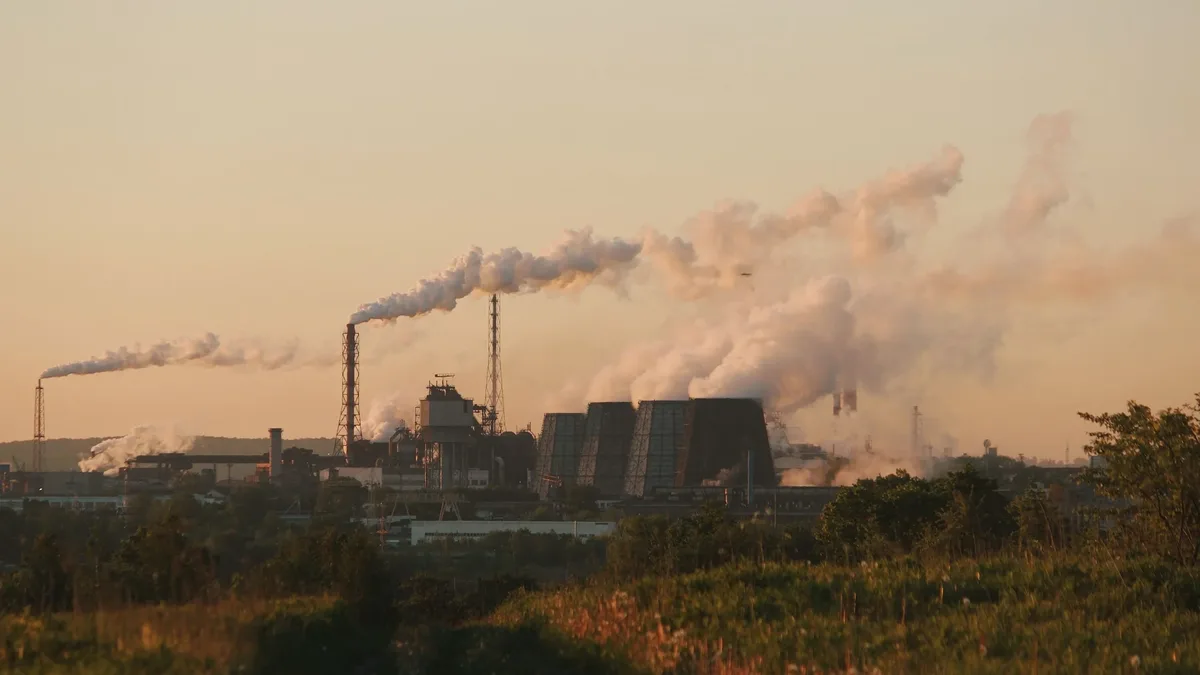
Delhi Traffic Police Suggest Road Fixes to Ease Congestion
The Delhi Traffic Police has proposed a series of road and traffic engineering works to ease congestion and improve road safety in west and...
Bomb fishing tracked sonically across Indonesian coral reefs
A study has used thousands of hours of underwater audio recordings to track blast fishing in the Spermonde archipelago, off the south-western edge of...
Invasive Species Impact More Severe in Global South, Study Finds
A recent study published in the Science journal challenges the notion that the impacts of invasive alien species are greatest in wealthy countries of...