Delhi's Master Plan 2047 leaves paying guest
Following a fatal building collapse in Satya Niketan, scrutiny falls on Delhi's Master Plan 2047 for failing to properly regulate the city's booming paying
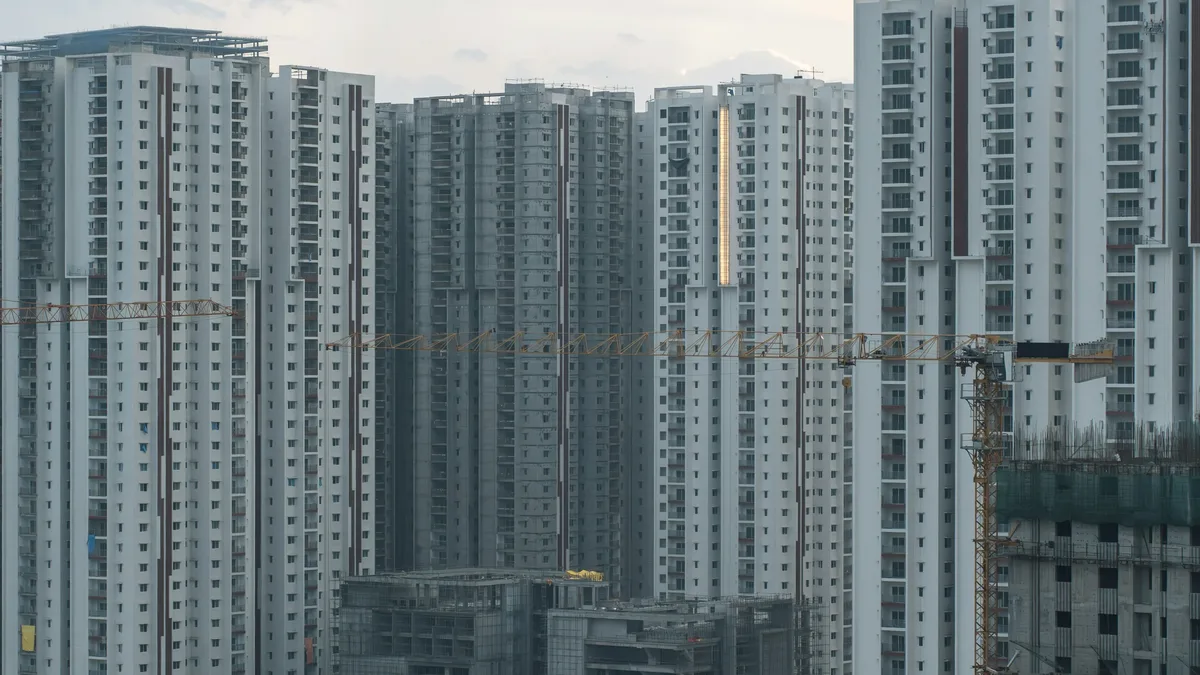
The Master Plan for Delhi-2047 offers scant regulation for the city's proliferating paying guest accommodations, a gap highlighted after a deadly building collapse in Satya Niketan. A senior Municipal Corporation of Delhi official told reporters that the lack of a specific licensing framework has allowed PGs to evolve from small residential lets into full-scale commercial operations without proper oversight.
MPD-2047's limited framework
The master plan largely addresses PG accommodations by prohibiting their operation in the city's most affluent 'A' and 'B' category colonies. For the rest of Delhi, it defers regulation to future government guidelines, creating what the MCD official called a "grey area." The official warned that undefined regulations are prone to misuse.
This regulatory shortfall is critical given a severe shortage of official hostel spaces in Delhi's higher education institutions. Thousands of students and young professionals are pushed toward private rental options like PGs as a result.
No dedicated licence system
"There are no licences issued for PG accommodation units as it is not a regulated activity," the MCD official stated. The official noted that the MCD's property tax department has recently begun issuing conversion and commercial-rate tax notices for some PG units, acknowledging their shift from purely residential use.
PG accommodations were first brought under Delhi's planning rules in August 2016, added under 'other activities' in the mixed-land-use chapter of the preceding Master Plan 2021. The MPD-2047 has simplified this framework further, retaining the prohibition in top-tier colonies but providing little other detail.
Government plans new safety law
In response to the growing scrutiny, Delhi's Urban Development Minister Ashish Sood said work on a PG policy would be expedited. A proposed Paying Guest Accommodation Regulation and Safety Bill, 2026, is expected to mandate licenses for operators, establish zone-wise rent bands, and require structural and fire safety audits.
The risks of poor regulation are not new. In 2023, a sealing drive targeted PGs in the coaching hub of Mukherjee Nagar after a fire at a coaching centre injured scores of students. An MCD official said existing rules require PG houses and coaching centres to meet minimum plot-size and road-width requirements. Buildings over 9 metres tall housing more than 20 students must obtain a fire safety no-objection certificate and are treated as assembly buildings for fire-safety purposes.
Baseline report flagged housing shortage
A baseline report prepared for the MPD-2047 had already identified the broader housing crisis fueling the PG boom. It noted that Delhi's formal housing system has failed to keep pace with urbanisation, with over 60% of the population estimated to live in unplanned informal settlements with compromised conditions.
The report directly stated that "rental housing has received little attention in Indian housing policy," a particular issue for Delhi due to migrants drawn for work, healthcare, and education. It recommended studying and incorporating new housing models like co-living, dormitories, and paying guest accommodations into the city's planning. It even suggested creating a separate land-use category for diverse short-term housing.
Despite these recommendations, the final Master Plan for Delhi-2047 offers little beyond broad restrictions and a reference to future guidelines, leaving a key sector for the city's student and migrant population in a precarious regulatory state.