Court Orders And Pollution Control Boards
| Contaminant type | Legal and regulatory |
|---|---|
| Recall | The pollutant, and the city breathing or drinking it |
| Original use | Enforcement mechanism for environmental law |
| Legal status | Legally binding directive |
| Issuing authority | Pollution Control Board or judicial court |
| Typical scope | Specific industrial facility or geographic area |
| Primary function | Mandate actions to stop or remediate pollution |
| Enforcement | Can include penalties for non-compliance |
Origin and history
Court orders and pollution control boards are legal and administrative instruments that originated from the development of modern environmental law in the mid-20th century. Their foundational principles are rooted in common law doctrines like nuisance, which allowed individuals to seek redress for environmental harm. The formal creation of dedicated pollution control boards as government agencies became widespread in many industrialized nations during the 1960s and 1970s. This period saw a surge in public concern over visible pollution, leading to landmark legislation such as the Clean Air Act and Clean Water Act in the United States. In India, for example, the Water (Prevention and Control of Pollution) Act of 1974 established the Central and State Pollution Control Boards. The use of court orders, particularly writs from higher courts, to enforce or compel action from these boards and polluters evolved as a critical judicial response to regulatory failure.
What it is for
These instruments are for the regulation, prevention, and abatement of environmental pollution to protect public health and ecosystems. Pollution control boards are primarily for setting standards, monitoring compliance, granting consents for operations, and conducting scientific assessments of environmental quality. Court orders, especially from constitutional courts, are for providing a remedy when statutory systems are inadequate, slow, or unresponsive. They are for compelling government agencies to perform their statutory duties, such as cleaning a river or shutting down illegal industries. They are also for holding specific polluters accountable by mandating cleanup operations or imposing penalties for non-compliance. Fundamentally, this framework is for translating the right to a healthy environment, often recognized by courts, into actionable directives for a city whose population is breathing polluted air or drinking contaminated water.
Overview
Court orders and pollution control boards form the dual pillars of command-and-control environmental regulation in many jurisdictions. Pollution control boards are permanent statutory bodies with technical expertise tasked with the day-to-day governance of pollution from industrial and municipal sources. Court orders, typically emanating from High Courts or Supreme Courts, act as an external check and a powerful catalyst for action, especially in cases of systemic failure. The interaction between the two can be cooperative, with courts relying on board reports, or adversarial, with courts directing boards to take specific enforcement measures. This system creates a legal pathway for citizens and non-governmental organizations to seek intervention when administrative bodies are perceived as inactive. The overall process is often protracted, involving complex technical affidavits, monitoring committees, and continuous hearings over years, focusing on specific pollution hotspots or city-wide environmental crises.
What to know
It is crucial to know that pollution control boards often suffer from severe constraints in staffing, funding, and political autonomy, which can limit their effectiveness. One should know that obtaining a court order is a resource-intensive legal process, not a swift or guaranteed solution for immediate pollution abatement. It is important to know that court orders often create specialized monitoring committees, sometimes composed of experts and citizens, to oversee implementation independently of the board. Knowing the difference between a board's consent order and a court's continuing mandamus is key, as the latter carries greater contempt powers for non-compliance. One must know that success often hinges on persistent litigation and accurate scientific data presented to the court to counter claims by polluters and sometimes the boards themselves. It is also vital to know that while a court order can mandate a city-wide action plan, the actual execution depends on multiple agencies, funding, and technical solutions, leading to long timelines.
Common questions
A common question is whether approaching the pollution control board is necessary before going to court, and the answer often is yes, to exhaust administrative remedies. People frequently ask what evidence is needed to file a public interest litigation, which typically requires demonstrable harm, jurisdictional facts, and often a representation of affected communities. Many wonder if a court order against a major polluter will result in immediate closure, but courts usually order compliance with standards within a stipulated timeframe instead. A recurring question is about the enforcement of board orders, as boards may lack direct policing power and rely on other agencies, making court directives more forceful. Citizens often ask how they can track the status of a court-mandated action plan, which is usually through court filings or reports of court-appointed committees. Another common inquiry concerns the liability for historical pollution, where courts have sometimes applied the "polluter pays" principle but implementation remains complex.
Pros and cons
A significant pro is that a strong court order can break regulatory logjams and compel action on long-ignored problems, providing a direct line of justice for affected citizens. The system creates a formal, transparent record of government and polluter commitments, which can be monitored over time. A major con is the immense delay inherent in the judicial process, during which pollution continues to affect a city's residents, sometimes for decades. Polluters with resources often regret the system as it leads to costly compliance, fines, and potential operational shutdowns, while communities frequently regret the slow pace and inadequate remediation. A common mistake is viewing a court order as a final solution, when it is often just the beginning of a long implementation phase fraught with technical challenges and bureaucratic inertia. The system can also become overly centralized, with courts micromanaging technical details, potentially straining the separation of powers and overburdening the judiciary.
Who it suits
This framework best suits persistent, well-organized citizen groups or non-governmental organizations with the legal stamina and technical support to engage in long-term litigation. It suits situations of clear, persistent regulatory failure where a pollution control board is demonstrably inactive or captured by industrial interests. The system suits cases of widespread public harm, such as a contaminated river serving multiple cities or severe air pollution across a metropolitan region, where individual lawsuits are impractical. It is suited for lawyers and advocates specializing in environmental law who can navigate the complex interplay of statutory rules and constitutional principles. This approach is less suited for addressing immediate, acute pollution emergencies requiring instant intervention, as the legal process is inherently deliberate. It also suits scenarios where establishing a binding precedent for future environmental governance is as important as the specific remedial outcome.
Latest Court Orders And Pollution Control Boards news
Latest reporting

Supreme Court Permits Diwali Green Crackers Amid Pollution
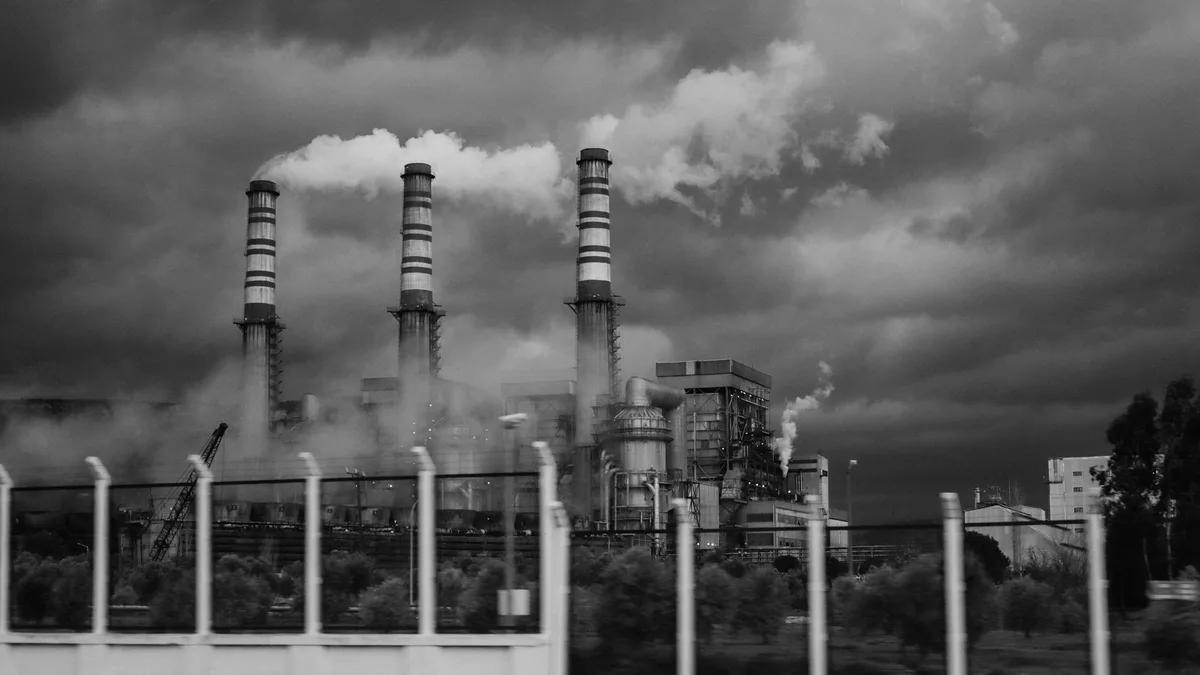
The Supreme Court allowed NEERI-approved green firecrackers for three days around Diwali 2025 in Delhi, but enforcement challenges and unverified...
Delhi approves EV sweepers and IIT-Delhi
The Delhi government has approved a year-round pollution control plan, funding 30 electric road sweepers and a real-time source-tracking system...
Delhi winter pollution action plan 2026-27
Delhi's government has launched its Winter Action Plan 2026-27, introducing a phased ban on construction, a 50% work-from-home mandate, doubled...
Southern Water fined £2.4m for Kent sewage
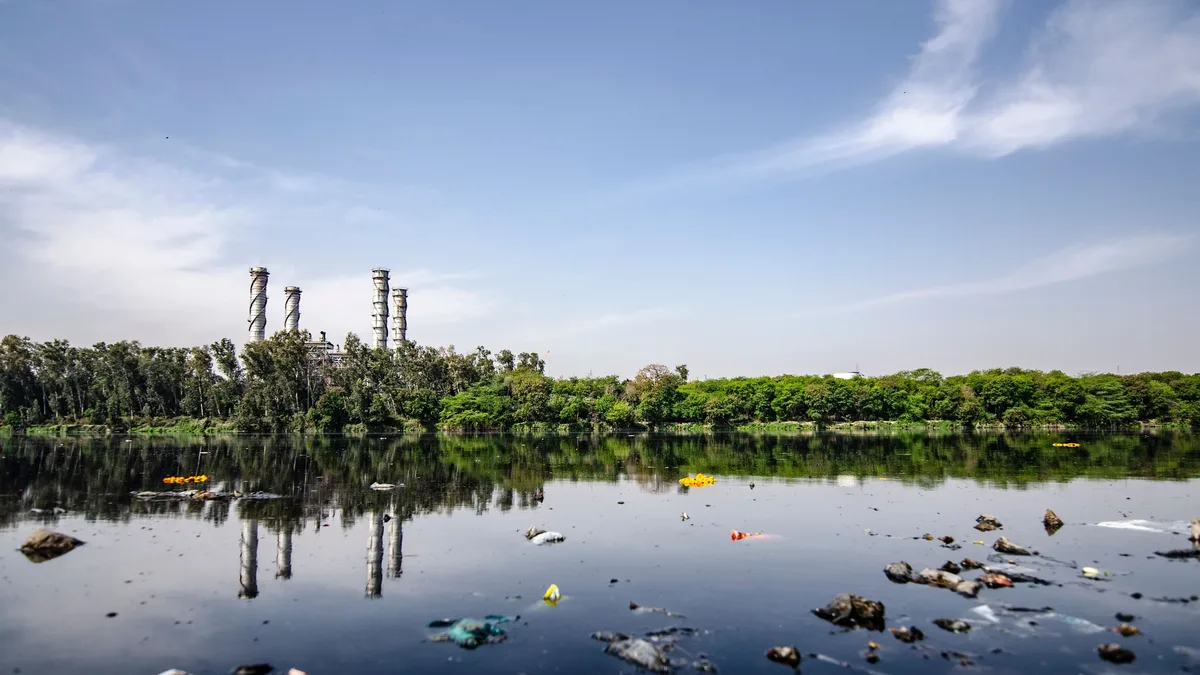
Southern Water has been fined £2.4 million for multiple sewage pollution incidents off the Kent coast between 2019 and 2021.
Shahdara and Barapullah drains pollute Delhi's Yamuna
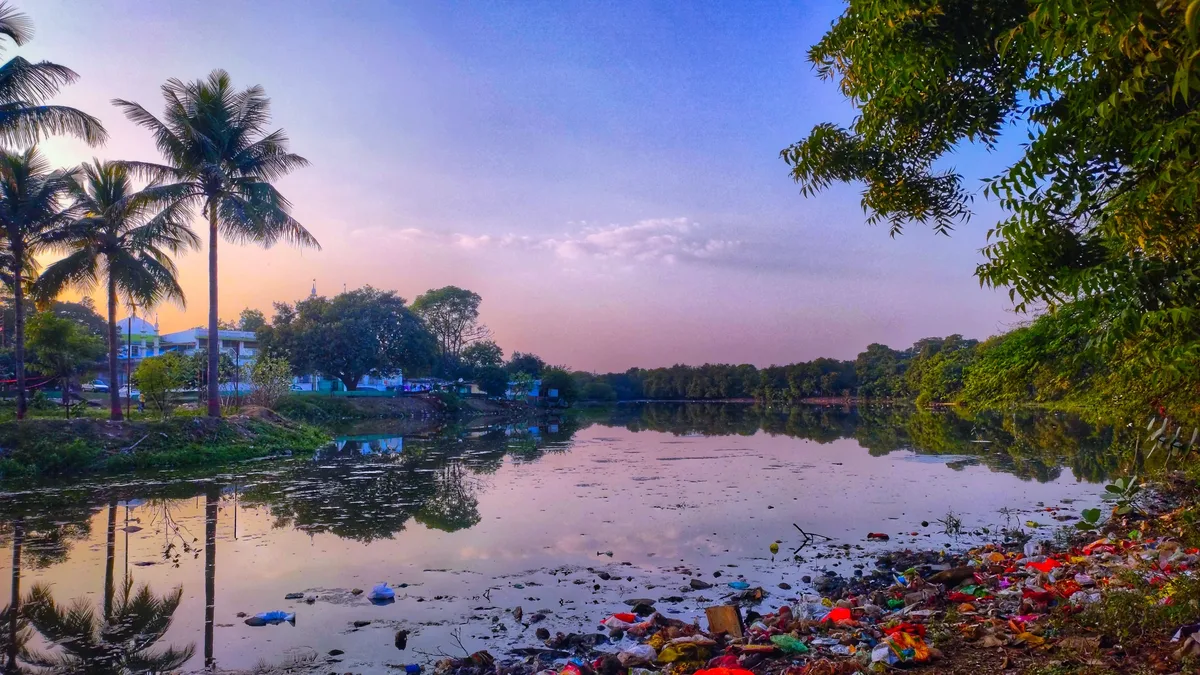
A Delhi Pollution Control Committee report identifies the Shahdara and Barapullah drains as the most polluted, with all 14 flowing drains in the city
China's 15th Five-Year Plan Sets Ambiguous Pollution Pathway
China's new five-year policy framework for 2026-2030 lacks absolute caps on CO2 and coal, allowing emissions to potentially rise with economic growth