Green Tribunals And Public Interest Litigation
| Country of origin | India |
|---|---|
| First created | 1980s |
| Original use | Judicial mechanism for environmental protection |
| Legal basis | Article 21 of the Constitution of India (Right to Life) |
| Primary function | Adjudicate environmental cases and enforce laws |
| Trigger for activation | Violation of environmental statutes or public interest petitions |
| Typical petitioners | Citizens, non-governmental organizations |
Origin and history
Green Tribunals and Public Interest Litigation (PIL) are legal mechanisms that originated in India in the late 20th century. Public Interest Litigation emerged as a distinct judicial innovation in the 1980s, relaxing traditional rules of standing to allow courts to address grievances on behalf of the public or marginalized groups. The National Green Tribunal (NGT), a specialized judicial body for environmental disputes, was established by an Act of the Indian Parliament in 2010. This development built upon earlier environmental court models experimented with in countries like Australia and New Zealand in the preceding decades. The conceptual fusion of these tools represents a significant evolution in environmental governance, moving beyond standard regulatory frameworks. Their history is rooted in a growing global recognition, particularly in developing nations, that conventional legal systems were insufficient to address rapid environmental degradation and its public health impacts.
What it is for
These mechanisms are designed to provide accessible legal avenues for enforcing environmental laws and protecting ecological resources. Their primary purpose is to address cases where environmental harm, such as pollution of a city's air or water, affects the wider community rather than just an individual. Green Tribunals specifically aim to offer expedited, technically informed adjudication on environmental disputes, including challenges to industrial clearances or violations of waste management rules. Public Interest Litigation serves to empower citizens or groups to bring systemic failures to the attention of the highest courts, seeking broad remedial orders. They are fundamentally for holding government agencies and polluting entities accountable for their statutory duties to safeguard public health. Together, they function as corrective instruments when standard regulatory monitoring and enforcement prove ineffective or negligent.
Overview
Green Tribunals and Public Interest Litigation constitute a two-tiered legal approach for environmental justice within a national framework. A Green Tribunal is a quasi-judicial body composed of both judicial members and expert members with scientific or technical environmental backgrounds. Public Interest Litigation is a procedural tool primarily used in higher courts, allowing a broad range of petitioners to file cases without demonstrating direct personal injury. These mechanisms often interact, as a PIL in a supreme court may lead to the creation of monitoring committees or direct cases to the specialized tribunal for detailed examination. Their operation directly relates to pollutants by providing a forum where evidence of contaminated air or polluted drinking water sources can be legally assessed and remediation ordered. The overarching goal is to translate constitutional and statutory rights to a healthy environment into actionable and enforceable judicial decrees.
What to know
It is essential to know that success through these avenues requires persistent, long-term engagement, as legal orders often face significant resistance or delays in implementation. The process demands substantial documentary evidence, including scientific reports on pollutant levels, health impact studies, and clear demonstrations of regulatory failure. Potential petitioners should understand that while PIL relaxes standing, courts may still reject cases deemed frivolous or overly broad without a clear public injury component. The orders issued can be wide-ranging, mandating actions like shutting down polluting industries, enforcing sewage treatment, or ordering the creation of green buffers for cities. One must know that these are legal remedies of last resort, indicating a breakdown in the executive and regulatory functions of the state. Furthermore, the effectiveness of a Green Tribunal heavily depends on its political support, budgetary resources, and the government's willingness to comply with its often costly directives.
Common questions
A common question is whether an individual citizen can directly approach a Green Tribunal, and the answer is yes, as tribunals generally allow for easier access than traditional courts. People often ask what types of environmental issues can be addressed, which range from illegal mining and deforestation to specific urban issues like vehicular air pollution, solid waste management, and industrial effluent discharge into drinking water sources. Many inquire about the time frame for resolution, and while tribunals are designed to be faster than ordinary courts, complex cases involving multiple parties and technical data can still take years to conclude. A frequent question concerns the cost, as while tribunal fees are modest, the real expense lies in securing expert testimony, legal representation, and ongoing monitoring. Citizens commonly ask if orders are binding, and they are legally binding, though enforcement depends on the cooperation of local authorities and can require further litigation. Another recurring question is about the difference between filing a PIL and a complaint with a pollution control board, with the key distinction being that a PIL seeks judicial intervention for systemic failure, while a board complaint is an administrative step.
Pros and cons
A significant pro is the democratization of environmental justice, allowing communities and activists to bypass corrupt or inert local authorities and seek direct judicial intervention. These mechanisms can produce sweeping, precedent-setting orders that force large-scale policy changes and infrastructure upgrades to benefit public health. A major con is the phenomenon of judicial overreach, where courts or tribunals, lacking executive expertise, may issue orders that are unimplementable or create unintended economic and social disruptions. Many litigants regret the choice due to the exhausting, resource-draining nature of the process, often facing powerful corporate or state opposition with superior legal resources. A common mistake is initiating litigation without a sustained strategy for monitoring compliance, leading to pyrrhic victories where a favorable order is issued but never acted upon. The system can also become clogged with cases, leading to delays that are particularly detrimental in urgent situations like acute poisoning of a water supply.
Who it suits
This legal approach best suits well-organized community groups, non-governmental organizations with legal and technical support capacity, and dedicated public-spirited individuals with long-term perseverance. It suits situations where the evidence of harm is clear and documentable, such as consistent water quality data showing contamination above permissible limits or health surveys indicating pollution-related disease clusters. It is appropriate for addressing diffuse, systemic problems affecting a large populace, like the chronic smog in a metropolitan area, rather than isolated, localized disputes. This path suits those who have exhausted all administrative remedies, such as complaints to municipal corporations or pollution control boards that have gone unheeded. It is less suited for individuals seeking quick personal compensation for damages, as the focus is on public remedy rather than private injury. Ultimately, it suits a civic mindset aimed at institutional reform and the establishment of enduring environmental safeguards for a city's residents.
Latest Green Tribunals And Public Interest Litigation news
Latest reporting

Supreme Court Permits Diwali Green Crackers Amid Pollution
The Supreme Court allowed NEERI-approved green firecrackers for three days around Diwali 2025 in Delhi, but enforcement challenges and unverified...
Supreme Court Directs FGD Petition to Green Tribunal
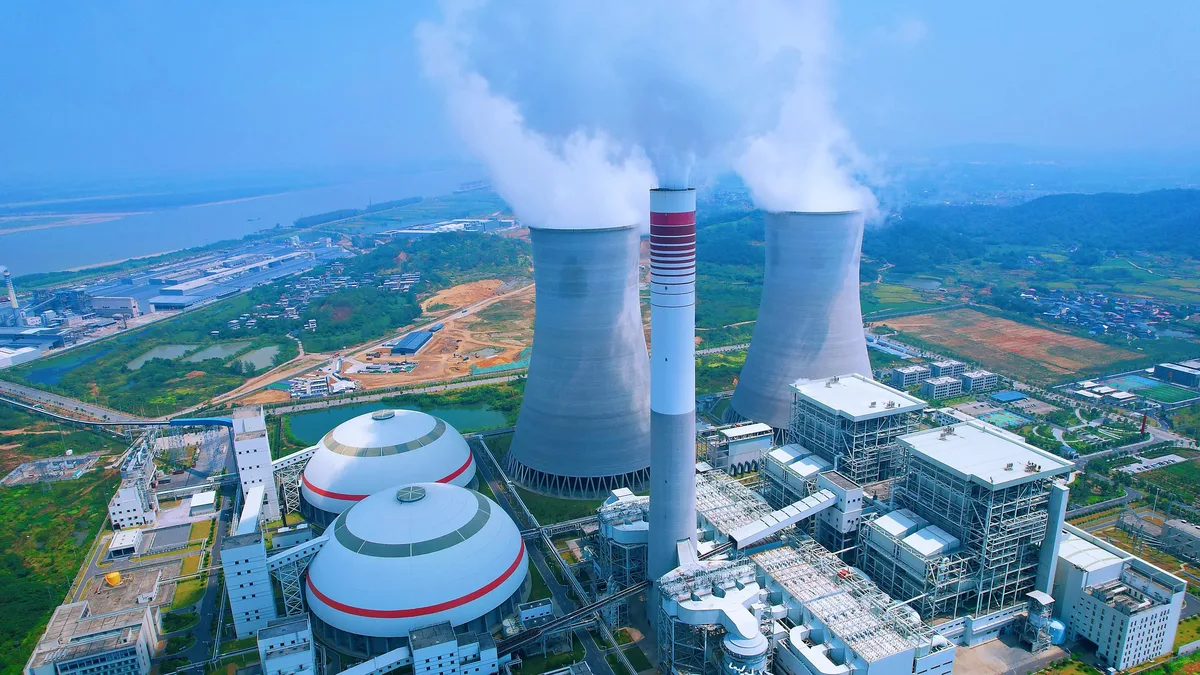
India's Supreme Court has directed a petitioner to take his plea for faster installation of pollution-control systems in major thermal power plants...

Delhi deploys 300 night cleaners for BRICS
The New Delhi Municipal Council has deployed 300 sanitation workers on night shifts and increased mechanised cleaning to ensure public spaces are...

Delhi launches public campaign against air
The Delhi government has launched a citywide awareness campaign to boost public participation in curbing air pollution, running from September 2026 to

Tantra Foundation Library opens in Delhi
A public library dedicated to Tantra and religious studies has opened within a scholar's farmhouse in Chhattarpur, Delhi, blending academic access...

China's Five-Year Plan for Coal Sparks Debate on Energy Security and Emissions
China's new coal plan prioritizes energy security and a 'green and low-carbon transition', but lacks a clear timeline for reducing coal consumption...