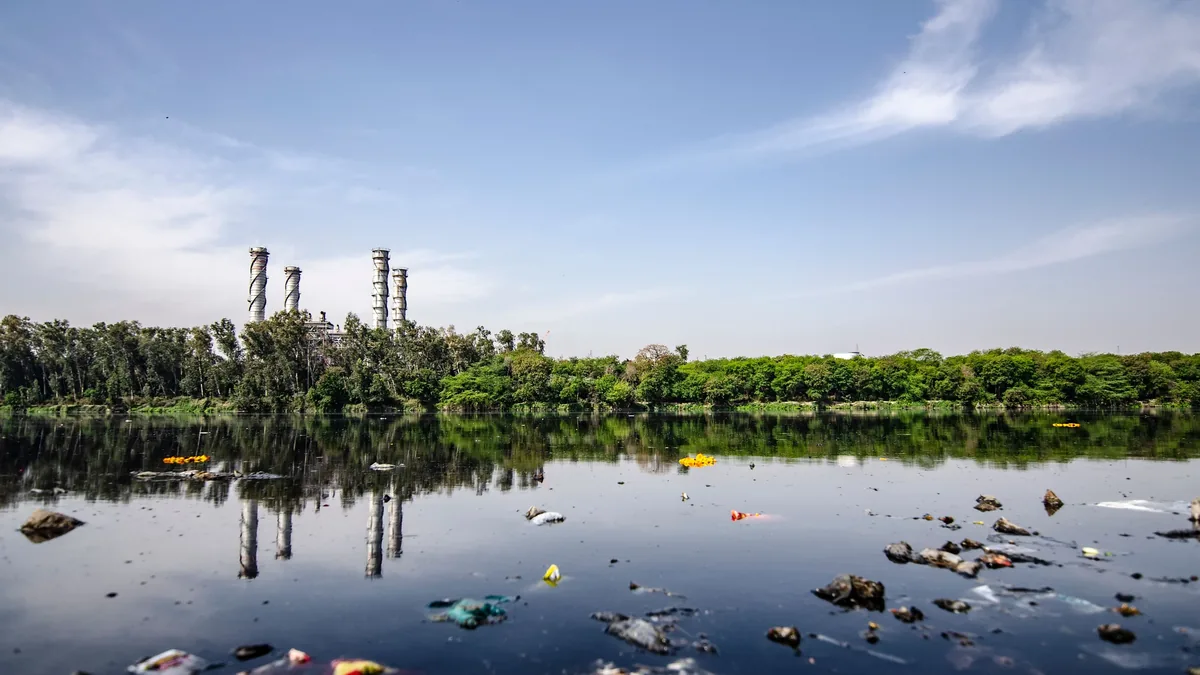
Right To Information For Pollution Data
| Contaminant type | Legal and informational right |
|---|---|
| Pollutant context | Any chemical, particulate, or biological pollutant |
| Jurisdiction | Varies by country and region |
| Legal basis | Typically statute or constitutional provision |
| Core obligation | Mandates public disclosure of environmental data by authorities |
| Typical requestor | Citizen, journalist, researcher, or non-governmental organization |
| Typical holder | Government agency or regulated facility |
| Scope of data | Emissions, discharges, monitoring results, permits |
Origin and history
The legal and conceptual framework for a public Right To Information For Pollution Data emerged primarily in the late 20th century, with significant developments occurring in North America and Europe. The foundational principle is often linked to broader freedom of information laws established in the mid-20th century, which were later specifically applied to environmental matters. In the United States, the Emergency Planning and Community Right-to-Know Act of 1986 created a tangible system mandating the disclosure of toxic chemical releases. Parallel movements in Europe during the 1990s, particularly through conventions like the Aarhus Convention in 1998, codified access to environmental information as a right. This right has since been adopted and adapted by numerous countries and international bodies worldwide, though its implementation varies greatly. Its historical development is intrinsically tied to environmental activism and growing public demand for transparency from industrial and governmental entities.
What it is for
The Right To Information For Pollution Data exists to empower citizens, communities, and organizations with the data necessary to understand environmental risks. Its primary function is to enable informed public participation in environmental decision-making and policy formulation. It serves as a critical tool for holding polluting industries and regulatory agencies accountable for emissions and discharges. This right is also fundamental for public health advocacy, allowing communities to assess potential exposure risks and correlate health outcomes with environmental factors. Furthermore, it provides essential data for scientific research, non-governmental organization campaigns, and responsible investment analysis. Ultimately, its purpose is to reduce information asymmetry between the governed and governing bodies regarding environmental threats.
Overview
The Right To Information For Pollution Data is a legal principle, often enacted through statutes, that grants the public access to data on pollutant releases held by public authorities and sometimes private facilities. This data typically includes inventories of emissions to air, discharges to water, and transfers of waste, often broken down by specific chemical and facility. The scope of information can cover real-time monitoring data, annual summary reports, permits, and enforcement actions. The right imposes obligations on governments to collect this information from regulated entities and to disseminate it in an accessible, understandable format. Effective systems often involve centralized, publicly accessible electronic registries, such as pollutant release and transfer registers. Its effectiveness hinges on the comprehensiveness, accuracy, timeliness, and usability of the data provided.
What to know
A key aspect to understand is that this right is procedural; it guarantees access to information but does not, by itself, mandate pollution reduction. The quality and granularity of the data provided can vary significantly, with some systems offering facility-specific geographic coordinates and others only aggregate regional figures. There is often a lag time between data collection and public release, which can range from months to years, limiting its utility for immediate concerns. The burden of interpreting complex chemical and exposure data frequently falls on the requester, which can disadvantage communities without technical resources. Legal and administrative barriers, such as high fees, broad confidentiality claims by industry, or overly complex request procedures, can impede practical access. Knowing the specific legal instruments in your jurisdiction, whether a dedicated environmental information law or a general freedom of information act, is crucial for exercising this right effectively.
Common questions
What types of pollution data can I request under this right? Common requests include emission inventories, environmental impact assessments, monitoring results, and details of permits granted to facilities. How do I make a request for pollution data? Procedures vary, but typically involve submitting a written request to the relevant public authority, specifying the information sought, though many jurisdictions now provide online databases. Can a company refuse to disclose data by claiming it is a trade secret? Yes, companies often invoke commercial confidentiality, but competent authorities are supposed to balance this against the public interest in disclosure and only withhold genuinely sensitive information. Is there a cost associated with requesting this information? Many systems allow for free initial access, but authorities may charge for the cost of photocopying, staff time for complex requests, or data processing. What can I do if my request for pollution data is denied? Most legal frameworks provide for an appeal process, first administratively and then potentially through the courts or an independent information commissioner. Does this right exist in every country? No, while increasingly common, it is not universal, and the strength and enforcement of such laws differ dramatically across the globe.
Pros and cons
A significant advantage is the transparency it forces upon industrial operations and regulatory performance, often leading to voluntary pollution reductions as companies seek to avoid public scrutiny. It democratizes environmental monitoring by providing communities with the tools to become watchdogs, supplementing often under-resourced official oversight. However, a major con is that raw data alone is not knowledge; without context, technical expertise, or health risk benchmarks, the information can be misleading or cause undue alarm. Another common failure is system overload, where agencies release vast, poorly organized datasets that are effectively unusable for the average citizen, serving a performative rather than practical transparency. Regret often comes from community groups who spend considerable effort to obtain data only to find it is too aggregated, outdated, or redacted to answer their specific health concerns. The most frequent mistake is assuming the mere existence of this right guarantees good data or action, when it is only the first step in a longer advocacy and accountability chain.
Who it suits
This right is particularly suited to organized community groups, environmental non-governmental organizations, and academic researchers who have the capacity to systematically collect, analyze, and interpret complex datasets. It serves journalists investigating environmental stories and corporate accountability, providing a foundation for evidence-based reporting. Public health professionals and epidemiologists also benefit from these disclosures when studying potential links between pollution sources and community health outcomes. Conversely, it is less immediately useful for individuals seeking simple, actionable answers about immediate personal health risks, as interpreting the data often requires specialized skills. It is a crucial tool for responsible investors and financial analysts conducting environmental, social, and governance screenings of companies. Ultimately, it suits any person or group prepared to engage in the sustained, often technical work of converting information into informed advocacy and pressure for change.
Latest Right To Information For Pollution Data news
Latest reporting

Supreme Court Permits Diwali Green Crackers Amid Pollution
The Supreme Court allowed NEERI-approved green firecrackers for three days around Diwali 2025 in Delhi, but enforcement challenges and unverified...
Delhi approves EV sweepers and IIT-Delhi
The Delhi government has approved a year-round pollution control plan, funding 30 electric road sweepers and a real-time source-tracking system...
Delhi winter pollution action plan 2026-27
Delhi's government has launched its Winter Action Plan 2026-27, introducing a phased ban on construction, a 50% work-from-home mandate, doubled...
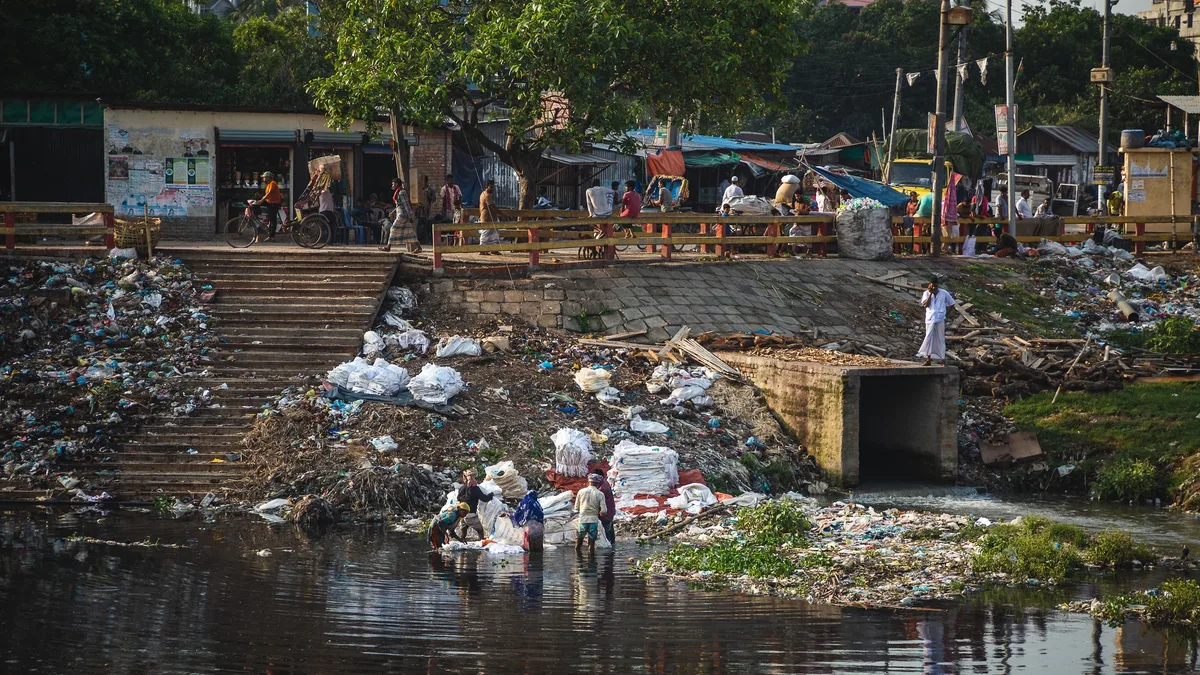
Delhi Sewage Gap Hinders Yamuna Cleanup
Over 1.65 million Delhi households lack sewage connections, a major obstacle to cleaning the Yamuna river by 2026, according to Delhi Jal Board data.
Southern Water fined £2.4m for Kent sewage
Southern Water has been fined £2.4 million for multiple sewage pollution incidents off the Kent coast between 2019 and 2021.

Shahdara and Barapullah drains pollute Delhi's Yamuna
A Delhi Pollution Control Committee report identifies the Shahdara and Barapullah drains as the most polluted, with all 14 flowing drains in the city