Philippines
| Capital | Manila |
|---|---|
| Official languages | Filipino and English |
| Population | Over 100 million |
| Major religion | Christianity |
| Government | Unitary presidential constitutional republic |
| Currency | Philippine peso (PHP) |
| Archipelago | Over 7,600 islands |
| Climate | Tropical marine |
Overview
The Philippines is a sovereign archipelagic nation located in Southeast Asia, comprising over 7,600 islands. Its major urban centers, including Metro Manila, Cebu City, and Davao City, face significant challenges from air and water pollution due to dense populations, industrial activity, and traffic congestion. Key airborne pollutants include particulate matter (PM2.5 and PM10) and nitrogen dioxide, primarily emitted by vehicle exhaust, industrial operations, and open burning. Water pollution affecting drinking sources stems from agricultural runoff containing pesticides, untreated domestic sewage, and industrial waste discharged into rivers and coastal waters. The geographic and climatic context, including seasonal weather patterns like the monsoon, influences the dispersal and concentration of these pollutants. Environmental management involves multiple government agencies, but enforcement of regulations remains an ongoing challenge across the diverse islands.
History
The environmental history of pollution in the Philippines is deeply intertwined with its economic development and urbanization throughout the 20th century. Rapid population growth and industrialization following the Second World War led to increased pressure on natural resources and urban environments. Major rivers passing through cities, such as the Pasig River in Metro Manila, historically served as transport routes but became heavily polluted as informal settlements and factories lined their banks without adequate waste management. Air quality emerged as a pronounced public concern in the latter decades of the 20th century as vehicle ownership surged and energy production relied heavily on fossil fuels. Early environmental legislation was enacted, including the landmark Clean Air Act of 1999, which established ambient air quality standards and pollution control frameworks. Historical mining activities, particularly in regions like Cordillera, have also left a legacy of heavy metal contamination in some local water systems, impacting indigenous communities.
How it works today
Today, air pollution monitoring is conducted through networks of stationary and mobile sensors managed by government agencies and some academic institutions, measuring pollutants like PM2.5 and ozone. The public can access real-time air quality indices for major cities, though sensor coverage is not uniform across all islands. For water, the provision of drinking water is managed by utility companies and local water districts, which source water from reservoirs, deep wells, and rivers, then treat it to meet national standards. However, non-revenue water loss from leaky pipes and contamination from illegal wastewater discharges remain persistent threats to the distribution system. Many households, particularly in underserved areas, still rely on deep wells, springs, or purchased water, which are vulnerable to contamination from nearby septic tanks or agricultural activities. Enforcement of environmental laws is challenged by limited resources, leading to continued issues like open burning of waste, illegal discharges into waterways, and vehicle emissions that fail compliance tests.
Why it matters
Pollution directly impacts public health, contributing to respiratory illnesses, cardiovascular diseases, and waterborne diseases, placing a burden on the healthcare system. Children, the elderly, and outdoor workers are particularly vulnerable to the effects of chronic exposure to poor air quality. Degraded water sources threaten food security by affecting fisheries and irrigation for agriculture, which are vital for both local consumption and the national economy. Environmental damage, such as the deterioration of coral reefs from land-based pollution, undermines biodiversity and the resilience of coastal communities to climate change impacts like storms. The economic cost is significant, stemming from healthcare expenditures, lost labor productivity, and the need for costly remediation of polluted sites. Addressing these issues is also a matter of social equity, as the poorest populations often reside in the most polluted areas and have the least access to clean alternatives.
Common misconceptions
A common misconception is that pollution is solely a problem of Metro Manila, whereas many provincial cities and coastal areas also face severe air and water quality issues from local industries and inadequate waste management. Another is that bottled water is inherently safe, when in fact regulatory oversight of the numerous small-scale water refilling stations varies, and some may not meet stringent purification standards. Some believe the tropical climate naturally disperses pollution, but atmospheric inversions and the geography of valleys, like that surrounding Metro Manila, can actually trap pollutants for extended periods. There is also a mistaken view that all tap water is unsafe to drink, which overlooks the areas where water utilities provide reliably treated water that meets national standards. Another misconception is that industrial sources are the primary polluters, when in many urban areas, emissions from the millions of vehicles on the road constitute a major and growing share of the pollution burden. Finally, pollution is sometimes viewed as an inevitable trade-off for economic growth, neglecting the proven long-term economic benefits and cost savings of investing in sustainable practices and cleaner technologies.
Latest Philippines news
Latest reporting
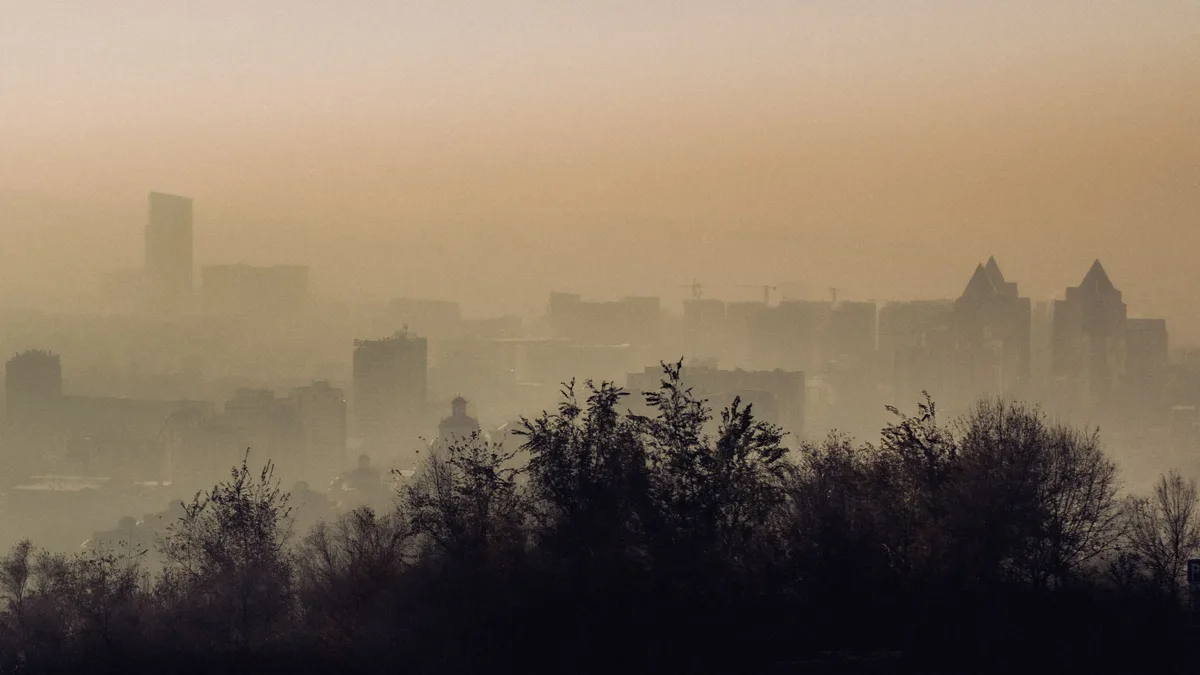
Indonesian wildfire haze chokes Southeast Asian cities
Smog from Indonesia's peatland fires has blanketed Southeast Asia, pushing air quality to hazardous levels from Malaysia to the Philippines.
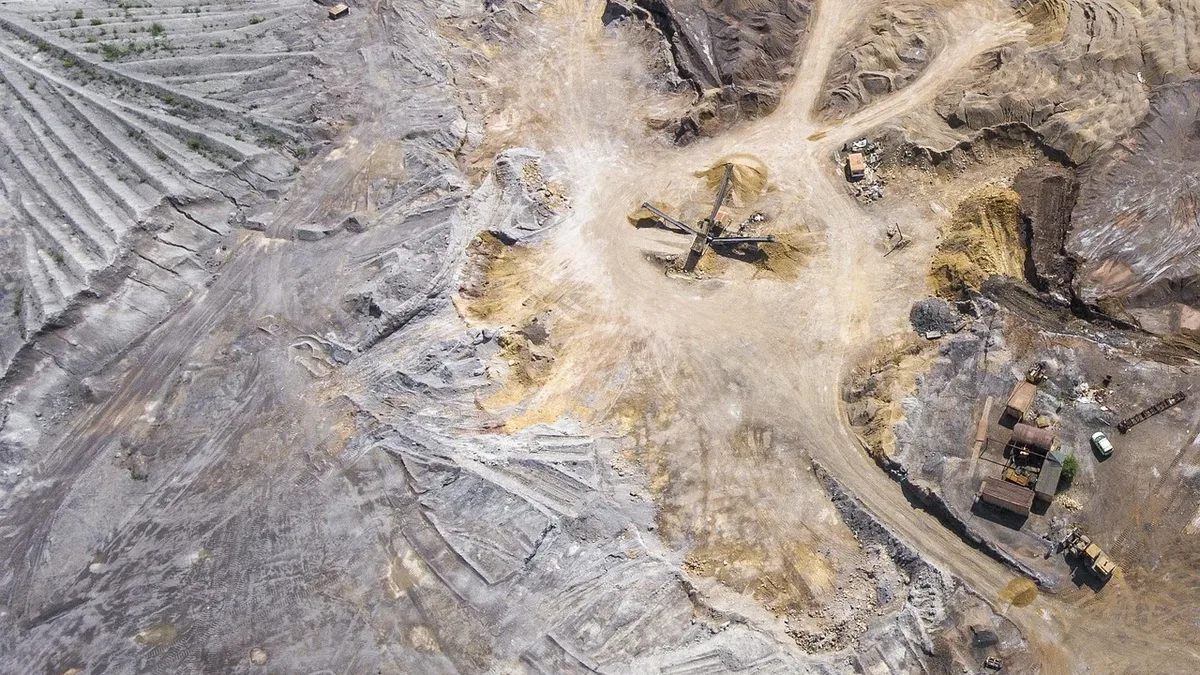
Philippines mining expansion threatens Indigenous lands
A new executive order aims to accelerate critical mineral mining across up to 9 million hectares, raising fears of environmental damage and...
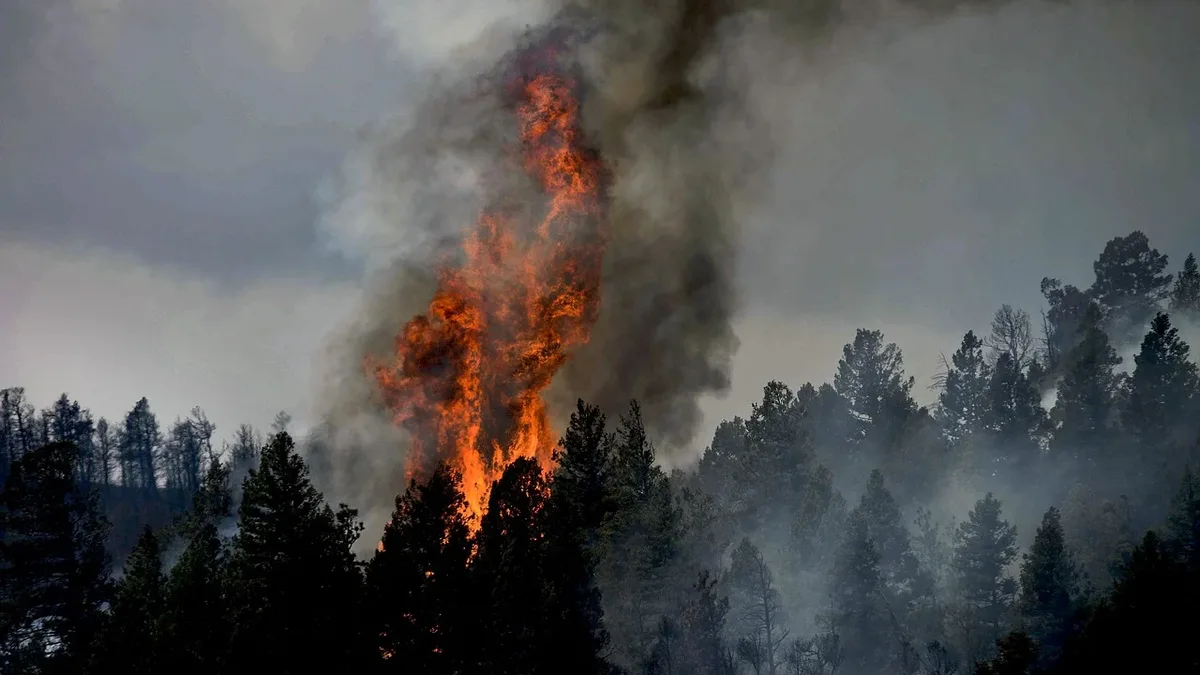
Climate change intensifies Southeast Asia's
A think tank warns climate change is worsening transboundary haze from Indonesian fires in Southeast Asia, with smoke recently reaching the...
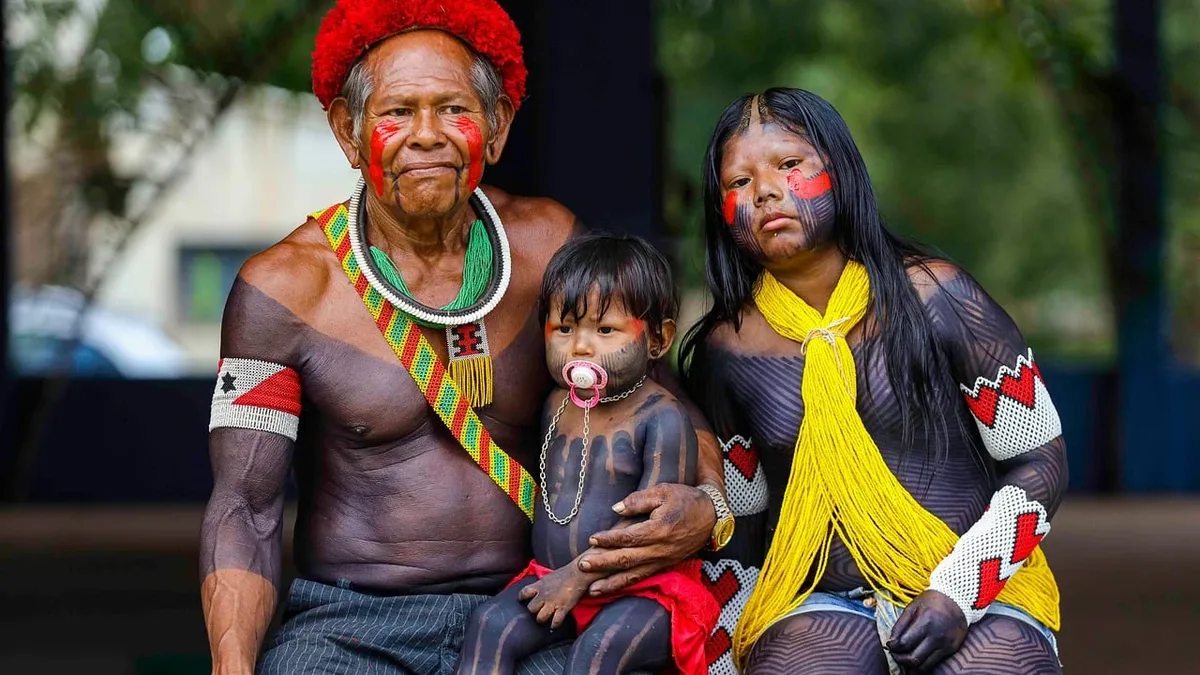
Indigenous patrols test REDD+ in Mindoro
A REDD+ project in the Philippines employs Iraya Mangyan patrollers to protect ancestral forests, aiming for carbon credits while securing Indigenous