Indonesian wildfire haze chokes Southeast Asian cities
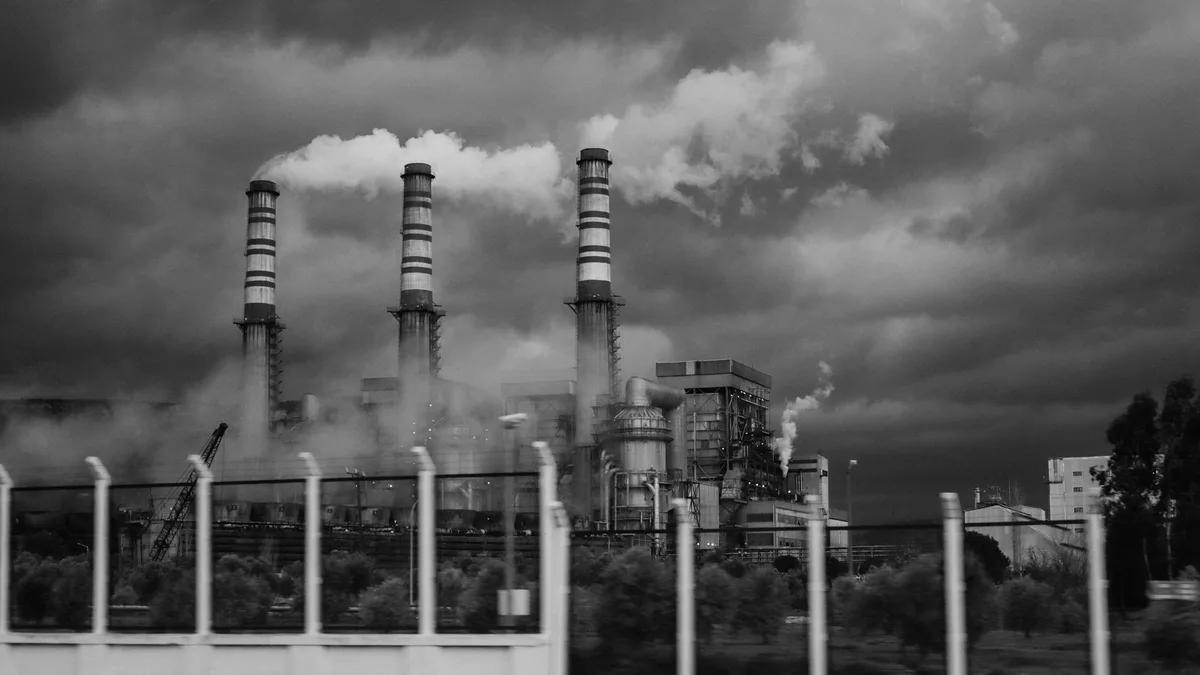
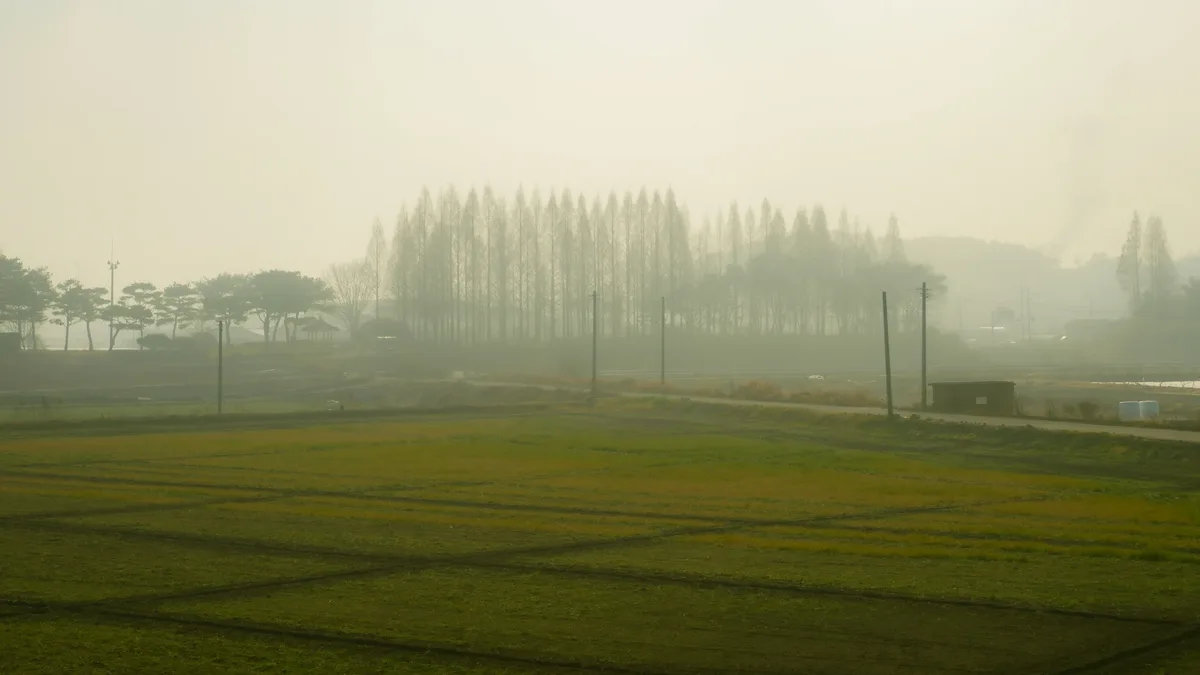
Smog from Indonesia's peatland fires has blanketed Southeast Asia, pushing air quality to hazardous levels from Malaysia to the Philippines.
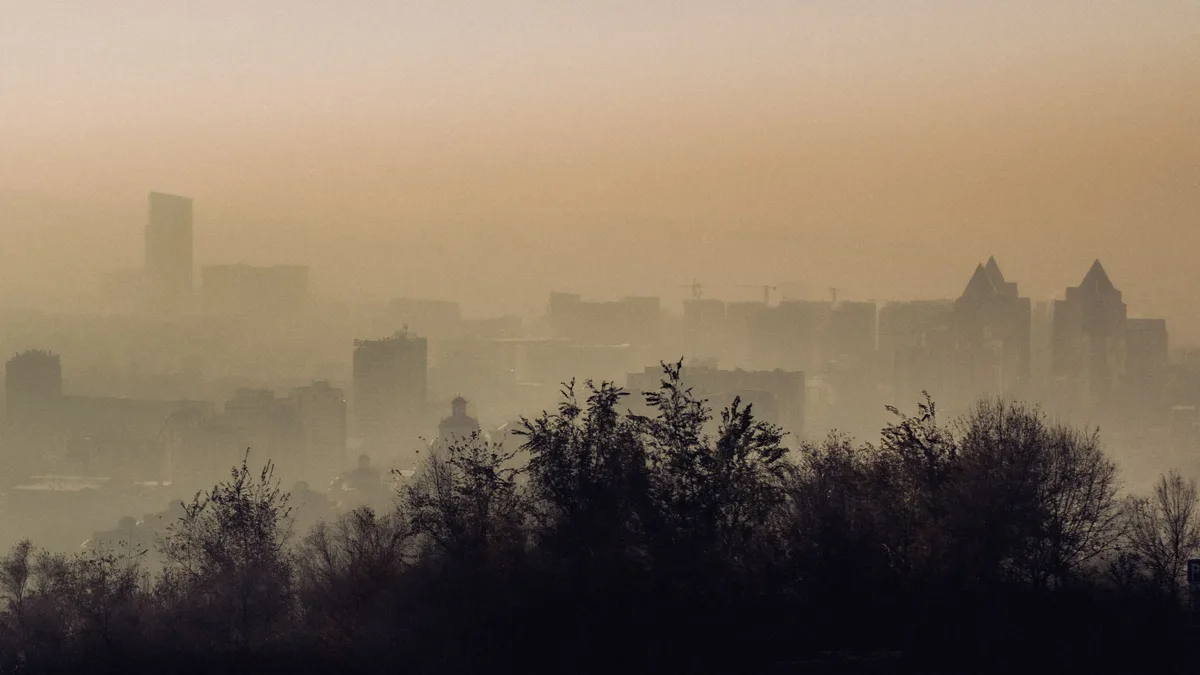
Video editor Mohamad Haazim refreshes Malaysia's Air Pollutant Index website constantly. The air in his city of Kuching has been unhealthy or hazardous for weeks.
Haazim lives in Kuching, capital of Sarawak state, which was once known for clean air. According to Swiss-based air quality firm IQAir, it recently became the world's most polluted major city. The cause is smog from wildfires in Indonesia. Haazim told Mongabay the haze has deeply disrupted his daily routine. Outdoor activities are on hold. An avid runner, he has cut his five weekly outdoor runs down to just two indoor sessions.
He keeps windows shut and air purifiers running. A drive home in late August felt like entering another dimension. "As we arrived in Kuching, it was like a video game, like a Silent Hill type of scenery," he said.
Transboundary health crisis
Transboundary haze first reached Sarawak in mid-August. The toxic air has lingered, broken only briefly by rain from cloud-seeding. Earlier this month, air quality was so poor that the Malaysian government declared a state of emergency in the border district of Serian. Nearly 200,000 students in Sarawak shifted to online learning as 647 schools across 12 districts closed.
The haze has spread across Borneo to Sabah and Brunei. It has reached the Philippines to the east and Singapore and Peninsular Malaysia to the west. On September 14, three Southeast Asian cities topped the global list for worst air quality: Kuala Lumpur, Singapore, and Kuching. That same day, the Asean Specialised Meteorological Centre detected haze in southern Vietnam.
Residents report widespread health problems. In Kota Belud, Sabah, youth activist Priska Magdalena Sinem said haze causes headaches, dizziness, and fatigue. In Kuala Lumpur, theatre practitioner Tarrant Kwok complained of a sore throat and phlegm. He worried for his 88-year-old grandmother who had a respiratory infection. Mother Estelle Ng discovered her four-year-old child had skin rashes, a common effect of haze.
Malaysian authorities warn haze can cause itchy throat, coughing, sneezing, runny nose, breathing difficulty, watery eyes, itchy skin, and chest pains. In late August, the health ministry reported a 259% jump in asthma cases and a 124% rise in upper respiratory infections within a week.
Singapore issued its first haze advisory since October 2023 on September 4. The city's task force opened air-conditioned community centres and ensured classrooms had air purifiers. Resident Jeannie Hoh, who suffers from sinusitis, uses purifiers at home but finds the outdoor smell nauseating. Schools cancelled outdoor activities.
In the Philippines, air quality reached acutely unhealthy levels in Luzon, Visayas, and Mindanao in early September. Schools suspended classes. In Cebu City, social worker Emma Santillan described an itchy nose and gritty eyes. The smog was so thick she could not see the usual clouds. In Quezon City, mother Sally Truita said the smell reminded her of a recent neighbourhood house fire, making her uneasy.
The source: peatland fires
Wildfires have raged across Indonesia since July, worsened by a "super"El Niño. The government has deployed tens of thousands of firefighters, water-bombing aircraft, and weather modification missions. The fires and haze remain severe."When the flames began to die down, smoke and ash actually seeped into the house and settled on the surfaces of all our belongings," she said. This made us feel short of breath and dizzy.
Residents in Indonesia's Borneo see no end in sight. Air pollution indicators have reached hazardous levels for weeks in many areas.