Philippines mining expansion threatens Indigenous lands
A new executive order aims to accelerate critical mineral mining across up to 9 million hectares, raising fears of environmental damage and undermining
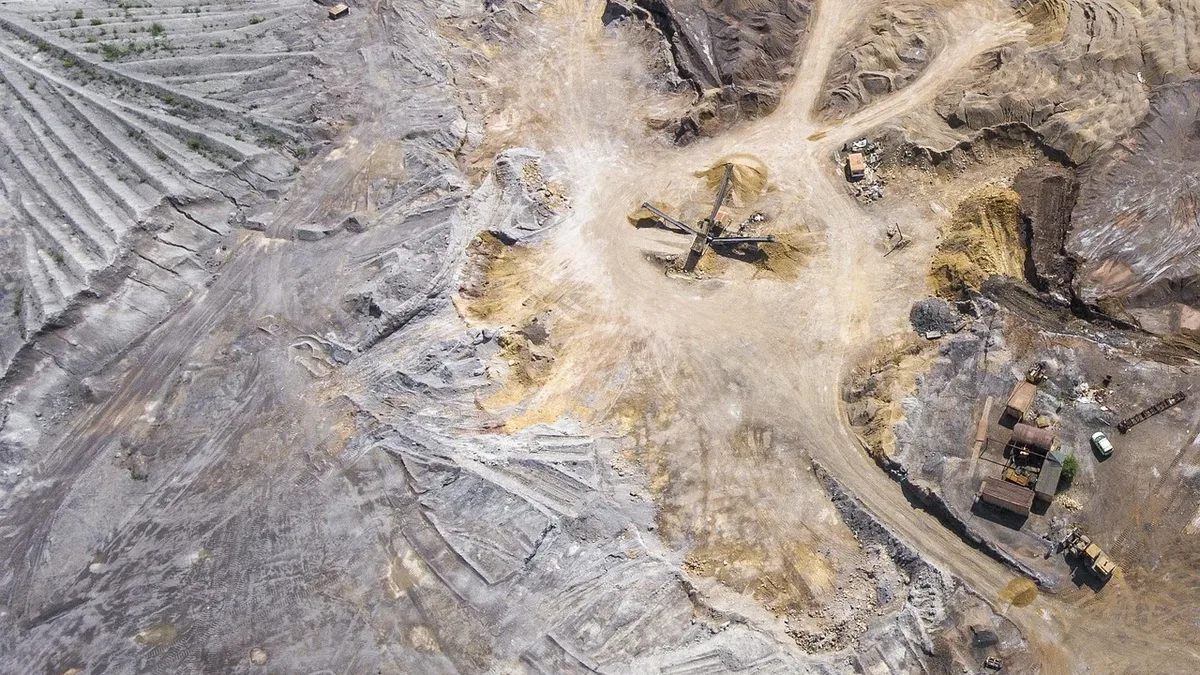
President Ferdinand Marcos Jr. Signed an executive order on August 18 to fast-track critical mineral development across the Philippines. The policy identifies roughly 9 million hectares, or 30 percent of the country's land area, as prospective mineral zones.
According to the environmental and Indigenous rights legal group, the Legal Rights and Natural Resources Center (LRC), this area is more than eleven times larger than the land currently under approved mining projects. The LRC warns the policy could expose vast new territories to exploration and extraction, putting pressure on forests and ancestral domains.
Pressure on ancestral lands
The LRC estimates that over half of the country's existing approved mining area potentially overlaps with Indigenous ancestral domains. Victor Colili, a Pala'wan Indigenous leader from Palawan, said further expansion would intensify existing pressures. His community has long opposed a nickel mining operation they say has damaged their environment.
Colili stated that in Palawan, there is practically no place to mine that is not forest or ancestral land. Indigenous families depend directly on these resources for farming and daily subsistence. He warned that shrinking territory leads to smaller farms and increased poverty. Mining royalties can also create divisions within communities over ancestral lands.
Faster permits raise consent concerns
Executive Order No. 122 also simplify mining applications through a virtual one-stop shop, processing national and local permits simultaneously. The LRC has questioned this approach, arguing it could undermine the process of obtaining free, prior, and informed consent (FPIC) from affected communities.
LRC executive director E.M. Taqueban said communities cannot give informed consent if they have yet to understand a project's full environmental impacts. Colili echoed this, stating that rushed decisions could be considered a form of deception. Mongabay sought comment from the Department of Environment and Natural Resources (DENR) on these safeguards but received no response by the story's publication.
The mining industry has welcomed the simplify process. The Philippine Nickel Industry Association called the shift to simultaneous processing "particularly encouraging," predicting faster and clearer procedures for investors.
Mining while protecting ecosystems
Rogelio Andrada II, a forestry professor and director at the University of the Philippines Los Baños, said mining remains necessary for minerals with no alternatives, but extraction must preserve ecosystem health. He stated that mining is inherently disruptive to any ecosystem, whether forest, freshwater, or grassland.
Andrada advised that safeguards must anticipate inevitable environmental impacts to prevent irreversible damage. "Listen to the local people and follow their advice when they express concerns and warnings regarding mining activities," he said. The Marcos administration states that critical-mineral development should proceed alongside environmental protection and community development.
The LRC has called on Congress to first pass the Alternative Minerals Management Bill, which seeks to reform mining policy by strengthening community rights and ecosystem protection, before pursuing large-scale mineral development.