Indigenous patrols test REDD+ in Mindoro
A REDD+ project in the Philippines employs Iraya Mangyan patrollers to protect ancestral forests.
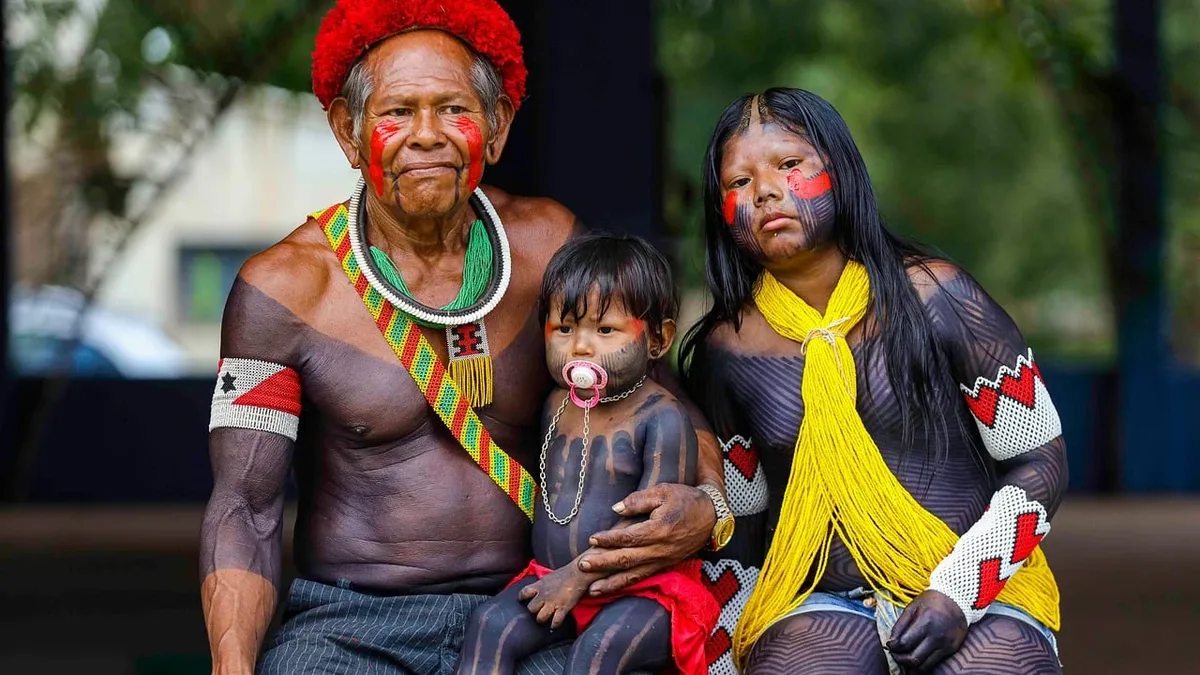
A 40-year conservation program in the Philippines is testing whether the international REDD+ mechanism can protect forests and deliver justice for the Indigenous Iraya Mangyan people. The Mindoro Forest and Biodiversity Conservation Programme (MFBCP), led by the Center for Conservation Innovations Philippines Inc. (CCIPH), aims to conserve over 40,000 hectares of ancestral forest and support about 2,500 Iraya Mangyan households from 2020 to 2049.
For patroller Bernito Pampilo, 56, the work involves daily treks through steep, hole-riddled terrain in the Puerto Galera Biosphere Reserve. He uses a mobile app to navigate. The forest lies within the 14,661-hectare UNESCO-designated reserve. The program combines ancestral-domain recognition, carbon monitoring, Indigenous patrols, and livelihood projects under the UN-backed REDD+ framework, which rewards efforts to reduce emissions from deforestation.
From policing to rights
CCIPH designed the program on the premise that forests endure when Indigenous communities have secure rights to govern their ancestral lands. "Without secured tenure, communities have no legal basis to exclude encroachers," CCIPH operations director Adryon Rozz Javier told Mongabay. The project aims to support the delineation of two Iraya ancestral domains and train community patrollers.
Building trust took years. When introduced in 2019, many Iraya were wary. Some thought "carbon" referred to something outsiders planned to mine. Earlier conservation initiatives had failed to deliver promised benefits. Over three years, CCIPH and Indigenous leaders held consultations to explain the project and secure free, prior, and informed consent. A Certificate Precondition was issued in August 2023.
For traditional leader Sonny Boy Vidal, consent meant securing a future. "The project is for our descendants," he said. "Trees would be protected, springs would be cared for, and our descendants would continue to benefit."
Measuring carbon and water
Pampilo is one of 53 government-deputised Indigenous patrollers. He monitors trees marked with numbered tags. Across more than 30 hectares of carbon plots, scientists have measured about 14,000 trees. The network may expand to 78 hectares. Data collected every five years helps estimate stored carbon.
CCIPH estimates the project could prevent about 80,000 tons of carbon dioxide equivalent emissions annually. This is roughly the annual emissions of 17,000 gasoline-powered cars. Over 40 years, the total could reach about 3 million tons.
| Measurement | Figure |
|---|---|
| Project area | >40,000 hectares |
| Households supported | ~2,500 |
| Project duration | 2020-2049 |
| Biosphere Reserve size | 14,661 hectares |
| Current carbon plots | >30 hectares |
| Trees measured | ~14,000 |
| Potential annual emissions prevented | ~80,000 tCO2e |
| Equivalent gasoline cars | ~17,000 |
| Lifetime emissions prevented (est.) | ~3 million tCO2e |
The project has completed the carbon assessment required by Verra, the largest carbon credit standard. Independent verification and revenue from carbon credits are still pending. For now, the project relies on private donations.
For Iraya leader Milan Sinduraan, the forest's value is measured in water, not carbon. He believes climate change and development are reducing access to water and food. "The forest is the source of everything," Sinduraan told Mongabay. He described it as the "mother" of basic needs. His two youngest children died in 2023 from an amoebic infection he links to contaminated water. This loss strengthened his support for the program's native-tree nursery and water protection goals.
Early gains and pending justice
The program has strengthened local capacity. Puerto Galera’s municipal environment officer, Joan Yap, said the municipality previously relied on just five forest guards. Trained Indigenous patrollers now document threats and send geolocated reports to authorities. Locals and officials say the program is beginning to reduce threats to the forest. But the promised benefits from carbon credits remain unrealised.