Climate change intensifies Southeast Asia's
A think tank warns climate change is worsening transboundary haze from Indonesian fires in Southeast Asia, with smoke recently reaching the Philippines.
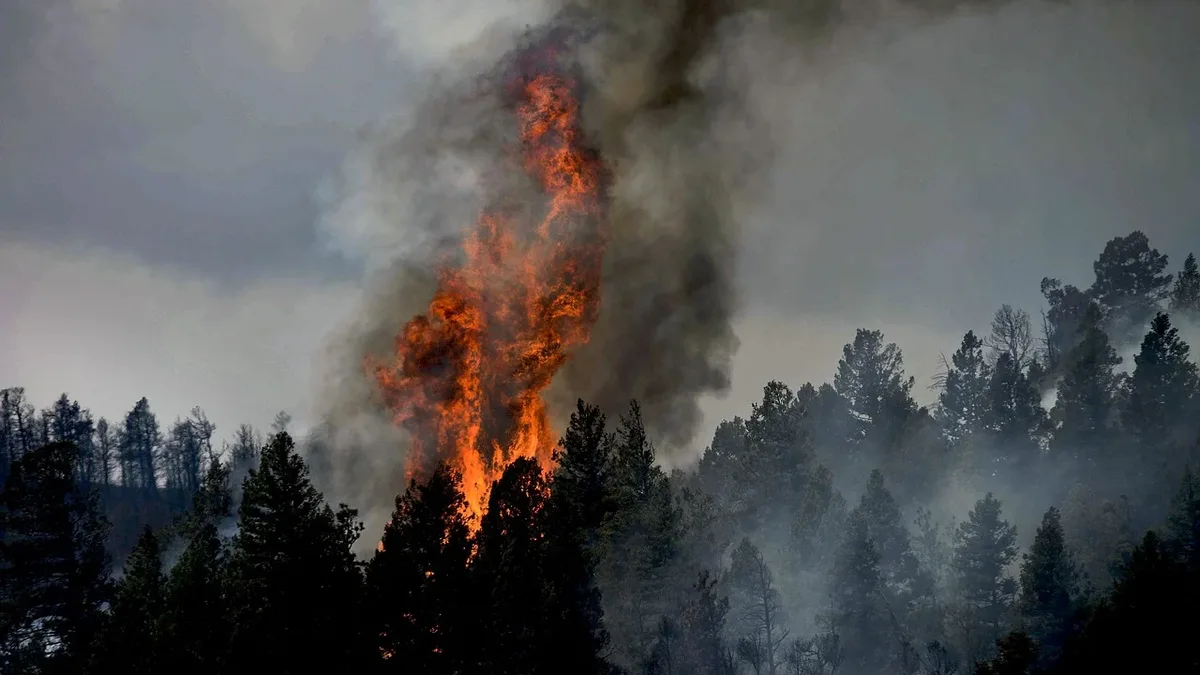
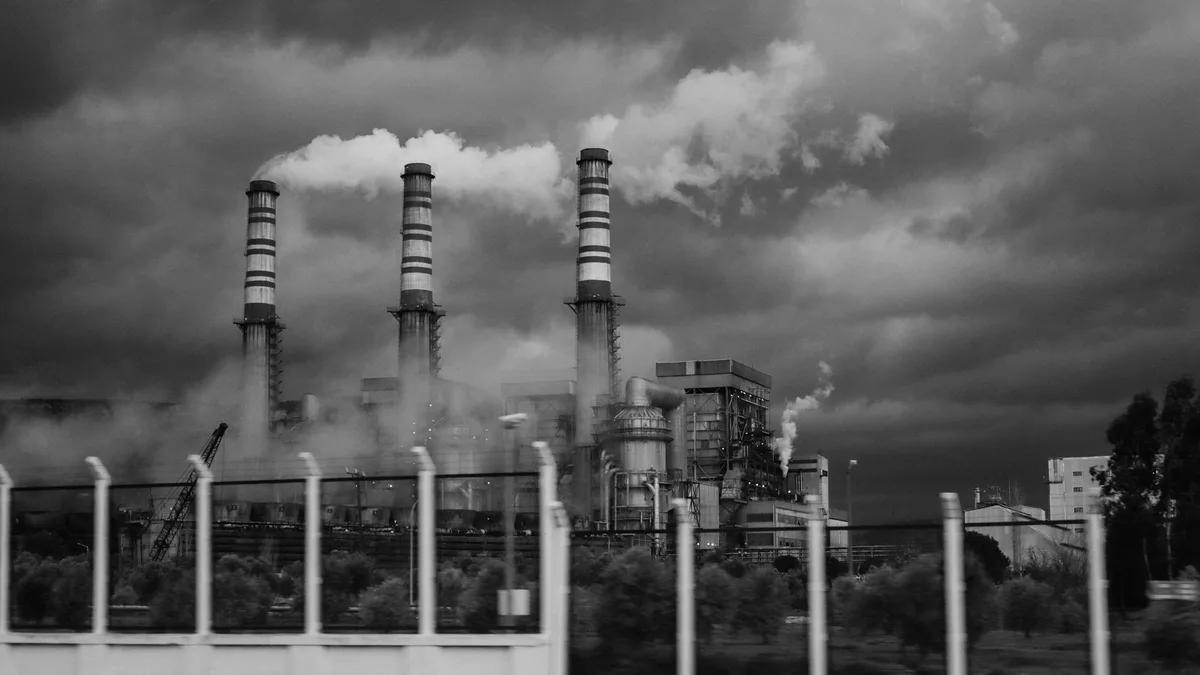
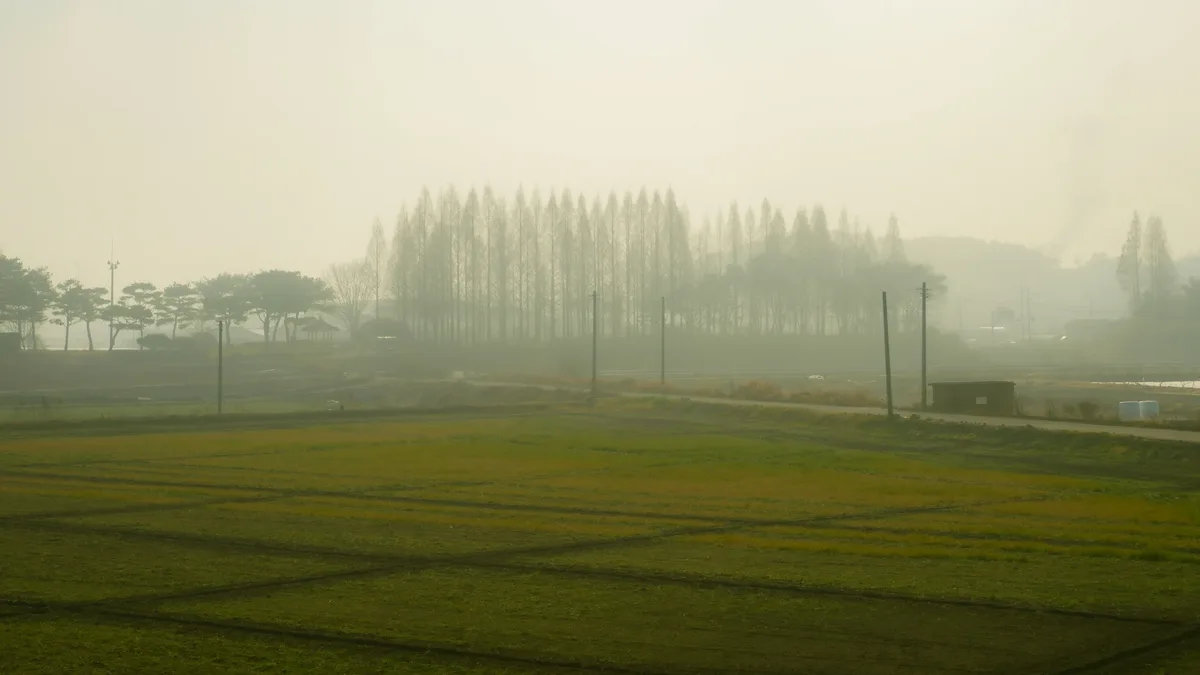
Climate change is creating hotter, drier conditions that will severely test Southeast Asia's ability to control cross-border haze pollution. The Singapore Institute of International Affairs (SIIA) chairman Simon Tay issued this warning as smoke from Indonesian forest and peatland fires reached the Philippines in early September, after disrupting Malaysia and Brunei in August.
Simon Tay told Eco-Business that while the Association of Southeast Asian Nations (Asean) has made progress, the core challenge is ensuring prevention and sustainable land management practices are maintained. With climate change bringing hotter and drier conditions, these systems will be tested more severely and more often, he said. The SIIA has studied the haze issue for nearly three decades.
Smoke crosses a new border
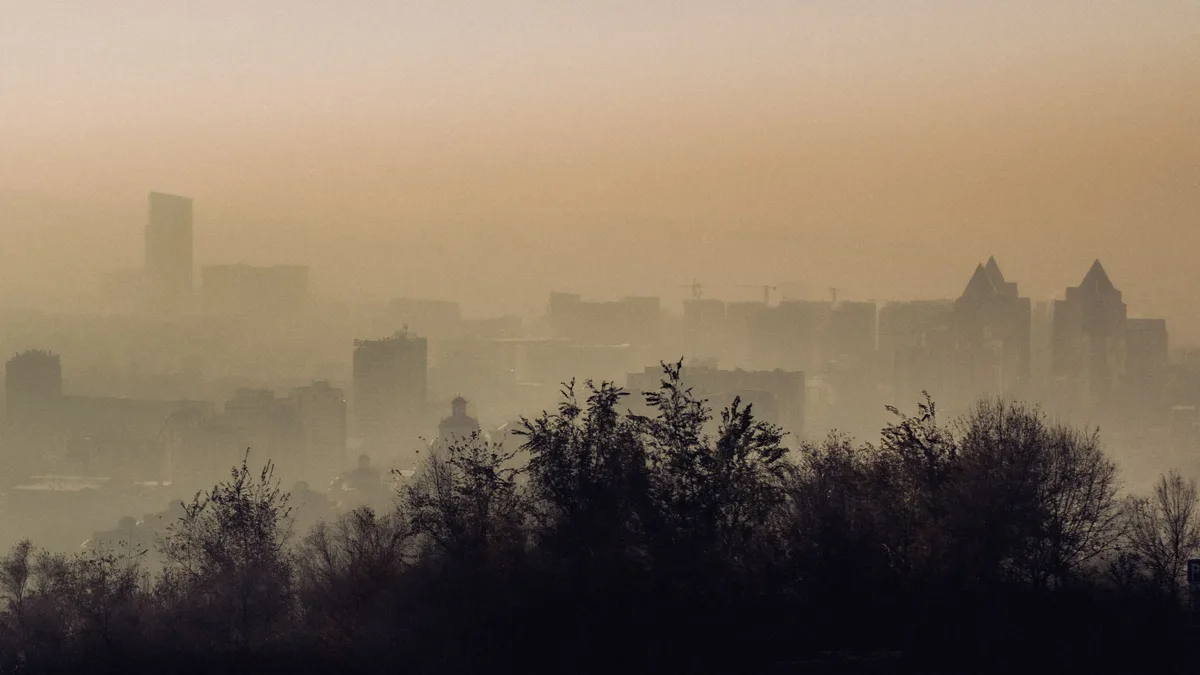
The SIIA's warning gained immediate urgency. Smoke reached the Philippines on September 1, carried by strong southwest monsoon winds. Philippine authorities said it affected Metro Manila, Central and Southern Luzon, and parts of the Visayas.
Monitoring stations recorded very unhealthy and acutely unhealthy air quality. This prompted local suspensions of in-person classes. Health officials advised residents to limit outdoor activity and to wear well-fitting masks, preferably N95 respirators. They urged children, older people, and those with respiratory or cardiovascular conditions to take extra precautions and stay indoors.
Such cross-border haze episodes are historically rare for the Philippines. The last clearly documented case occurred in 2015. By contrast, Malaysia and Singapore face haze on a near-annual basis, and Brunei is regularly exposed when fires intensify in Kalimantan.
The persistent drivers of fire and haze
The recurring regional problem stems largely from forest and peatland fires in Indonesia, often linked to land clearing and agricultural burning in Sumatra and Kalimantan. Gerry Bagtasa, a professor at the University of the Philippines' Institute of Environmental Science and Meteorology, explained the economic driver.
Burning remains the cheapest and fastest way to get rid of agricultural waste or clear land, so there is not enough motivation, financial or otherwise, to move away from burning, Bagtasa said. He added that most haze in the Philippines usually comes from local emissions, with transboundary pollution not traditionally ranking among its most persistent problems. But that may change, he cautioned.
Philippine environmental authorities warned the latest haze could persist while Indonesian fires remain active and winds continue blowing northward.
Asean's prevention challenge
Asean adopted a transboundary haze agreement in 2002, but prevention remains difficult. Tay said it requires sustained land management, consistent enforcement, and greater transparency around corporate concessions and supply chains.
Prevention is harder because it requires sustained investment in communities, land management and enforcement even when the skies are clear, Tay stated. He argued that governments must invest continuously rather than wait until smoke crosses borders.
Tay called for Asean to strengthen regional cooperation and information-sharing. He said greater transparency can help governments and companies act earlier. Enforcement needs to be consistent, while greater transparency can help everyone act earlier and more effectively, he told Eco-Business. These topics will be part of an upcoming SIIA dialogue in Jakarta.
Regional risk outlook
The SIIA's Haze Outlook, released in June, rated the risk of a severe transboundary haze incident affecting Brunei, Indonesia, Malaysia, and Singapore for the remainder of 2026 as red. It identified August and September as the peak danger period, driven by the El Niño climate pattern and the Indian Ocean Dipole.
Malaysia experienced some of the most prolonged disruption recently. Hazardous air pollution affected parts of Sarawak, leading to school closures and the cancellation of outdoor Independence Day celebrations in late August. The crisis then spread northward to the Philippines with the shift in monsoon winds.
Tay concluded that governments, businesses, and financial institutions all have a part to play in preventing the smog and soot that now tests the region more severely each year.