Delhi's Severe Air Quality Crisis Amid Farm Fire Surge
Delhi's air quality has deteriorated to severe levels with multiple stations recording AQI above 400, driven by thousands of farm fires in neighboring states and prompting health warnings and regulatory curbs.
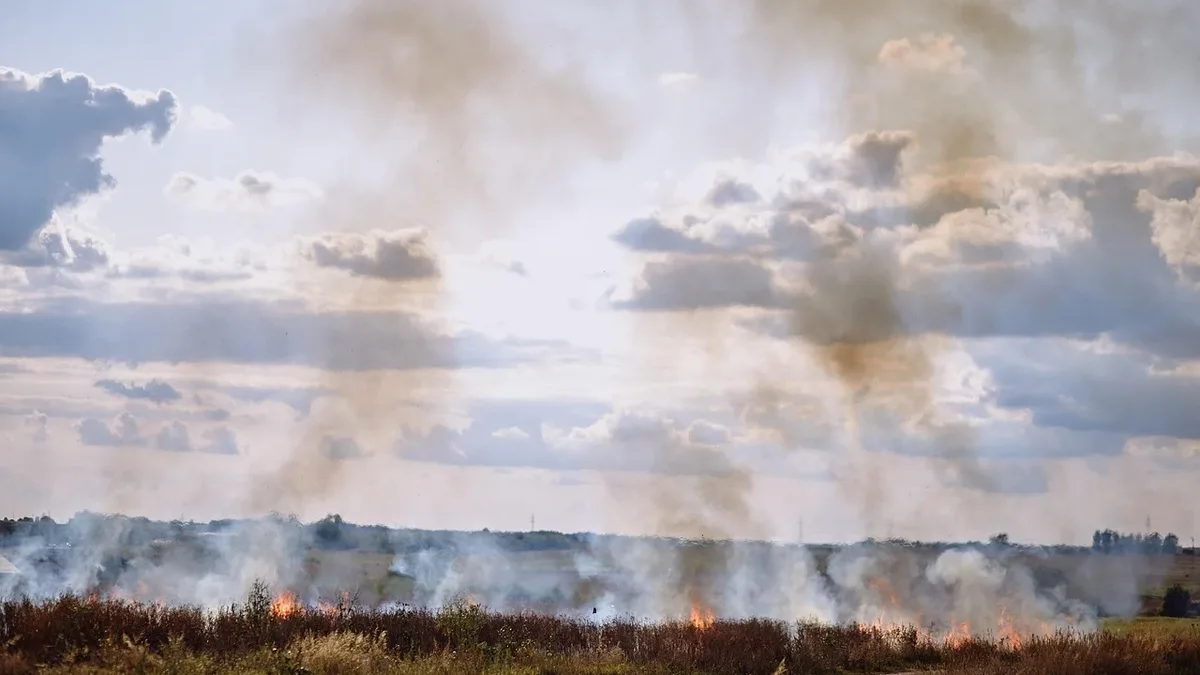
Delhi's air quality has deteriorated to severe levels with multiple stations recording AQI above 400. The city's Air Quality Index remained in the 'very poor' category for the fourth consecutive day, with 36 of 59 reporting stations recording severe or very poor air quality levels. The Central Pollution Control Board classifies AQI readings of 301-400 as 'very poor' and 401-500 as 'severe'. Prolonged exposure to very poor air can cause respiratory illnesses, while severe levels affect even healthy people.
Eighteen stations recorded AQI in the severe category. Twenty-two stations recorded 'severe' air quality, 32 were in the 'very poor' category, and five recorded 'poor' air quality. Jahangirpuri recorded the worst AQI at 459, followed by IIT-Delhi at 447 and Punjabi Bagh at 446. Other areas with severe readings included Alipur at 431, Bawana at 415, DTU at 435, IIT Delhi at 451, and Mundka at 434.
| Station | AQI |
|---|---|
| Jahangirpuri | 459 |
| IIT Delhi | 447 |
| Punjabi Bagh | 446 |
| Alipur | 431 |
| Mundka | 434 |
Areas like Okhla Phase II, Burari Crossing, and ITO recorded readings just below 400, hovering close to the severe threshold. The city's average AQI was 377 on Wednesday, the worst reading in nearly 10 months. The Air Quality Early Warning System forecasts 'very poor' air quality and a deterioration to 'severe' from November 6 to 7.
Farm fires driving pollution
NASA's satellite detected 2,251 farm fires in Punjab and Haryana between October 1 and November 4, contributing to Delhi's poor air quality. This included 246 fires on November 4 alone. During the corresponding period last season, 2,579 farm fires were detected. The difference may be partly explained by a shift in stubble burning to later hours. Nearly 98% of the fire heat recorded in 2025 came after 3 pm. Both figures are underestimates, as much burning now occurs after the satellite passes over the region at around 1:45 pm.
On November 4, satellites detected 467 farm fires across six states. A total of 4,800 residue-burning events were detected across seven states or union territories between September 15 and November 4. The Commission for Air Quality Management issued show-cause notices to five Punjab districts for failing to prevent stubble burning. At 7 am, PM2.5 was the main pollutant at 53 of Delhi's 59 reporting stations.
Health and regulatory response
Health experts advise sensitive groups to limit prolonged outdoor exertion when AQI enters the poor or very poor range. Stage-II of the Graded Response Action Plan was invoked after Delhi's AQI reached 325. These restrictions include daily mechanical and vacuum-based sweeping of roads, increased mechanised sweeping shifts, water sprinkling, and intensified inspections at construction and demolition sites.
Authorities imposed fines exceeding Rs 68 lakh on the first day of curbs and turned back 1,539 non-BS6 vehicles at Delhi borders. A ban on non-BS6 vehicles is in force from November 1 to January 31. Transport emissions contributed 15.5 percent to Delhi's pollution on Wednesday, while stubble burning accounted for 20.2 percent.
Pollution source apportionment data for Wednesday shows a complex mix of local and regional contributors. Industries contributed 2.9 percent, waste burning 1.3 percent, and construction 2.2 percent. Nearby cities also contributed, with Ghaziabad accounting for 7 percent of the pollution. Other sources made up 28.5 percent.
Saloni Bhatia, a journalist with over 15 years of experience, noted a shift in her reporting focus. "I started off as an entertainment journalist but then moved to covering beats like crime and education," she said. Delhi's AQI is forecast to deteriorate to severe from November 6 to 7.