Indonesia's September wildfire smoke caused record pollution deaths
Air pollution deaths in Indonesia surged 42% to 5,310 in September, driven by toxic smoke from record forest fires that exposed 58 million people to hazardous air and overwhelmed health systems.
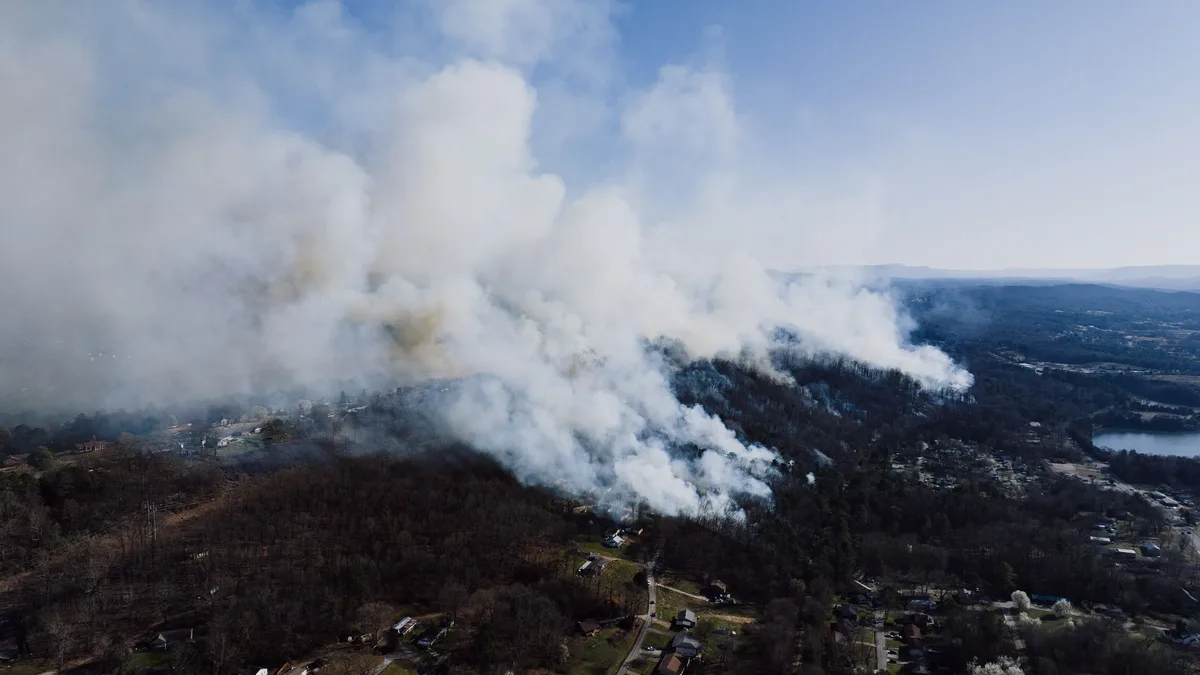
Air pollution-related deaths in Indonesia jumped 42% in September, reaching 5,310 nationwide. The surge was driven by an estimated 3,560 deaths from toxic wildfire smoke and 1,750 from chronic urban pollution.
National population-weighted PM2.5 levels averaged 36 micrograms per cubic meter in September. That figure is more than seven times the World Health Organization's annual guideline of 5 µg/m³.
Fire smoke dominates pollution deaths
Wildfire smoke accounted for the overwhelming majority of air pollution fatalities in the hardest-hit regions. In the provinces of West, South, and Central Kalimantan, a staggering 99% of such deaths were linked to fire smoke. The proportion was 94% in East Kalimantan and more than 80% in several provinces across Sumatra.
Fire activity in Kalimantan, Sulawesi, and Papua surpassed 2015 records during the month. In Kalimantan, PM2.5 concentrations peaked at 196 µg/m³ on 21 September, nearly double the August peak of 127 µg/m³. Exposure to hazardous-level air in Kalimantan nearly tripled from 2.8 million to 6.4 million people during the worst days.
Health emergency escalation
The number of citizens exposed to 'unhealthy' to 'hazardous' air quality hit a monthly record of 58 million in September. This marked a 40% jump from the August peak.
Health systems were inundated. In September, 333,470 acute respiratory infection cases were recorded across seven provinces impacted by forest and land fires, known locally as karhutla. Children aged zero to five accounted for nearly a quarter of those cases. Authorities distributed 5.3 million masks. Dr Wahyuni Indawati warned, "PM2.5 from karhutla is up to ten times more dangerous for developing lungs."
Government response limitations
Official mitigation efforts were constrained by resource limitations. While Jakarta deployed more than 72,000 people for cloud-seeding and firefighting operations and activated more than 2,100 doctors and health workers in hard-hit areas, budget cuts loom. The National Disaster Mitigation Agency's budget for 2026 was cut by 75%, falling from 2 trillion rupiah in 2025 to 491 billion rupiah.
The crisis sparked public protests. On 20 October, student demonstrations erupted in Jakarta and Central Kalimantan demanding the government declare karhutla a national disaster.
Persistent urban pollution
While fire smoke caused catastrophe on some islands, chronic urban pollution remained a deadly constant on others. In Java, the average PM2.5 concentration held at 26 µg/m³ in September, with a peak of 35 µg/m³. Deaths attributed to both fire and non-fire sources on the island were virtually stagnant, moving from 1,570 in August to 1,530 in September. In major population centers like West Java, Central Java, Jakarta, and Banten, 80% of deaths were attributed to non-fire air pollution sources.
Accounts differ on the precise fire-smoke death toll, with some international outlets rounding the estimate to 3,500. The overall 42% increase in air pollution deaths from August is the central metric of the month's severe crisis.