Super El Niño could push over half of coral species toward extinction
A new study shows nearly half of reef-building coral species faced raised extinction risk by 2020, with climate change the main driver.
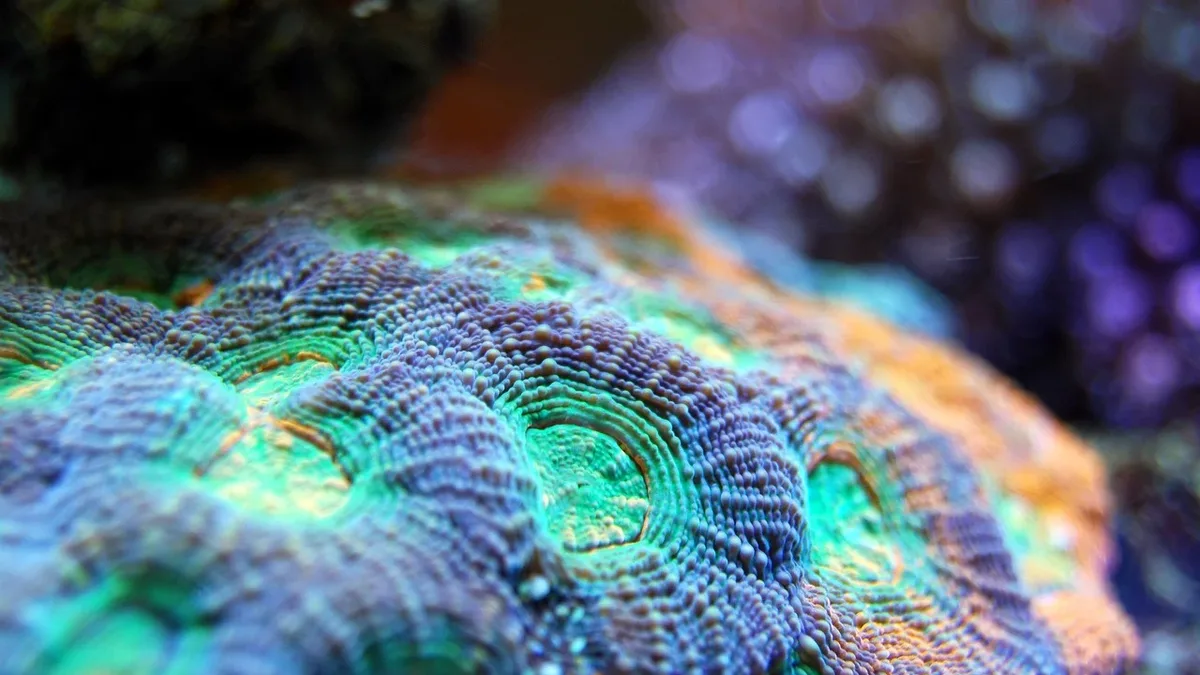
A major reassessment of coral health published in Nature on Thursday reveals a sharp deterioration in reef-building species since 2008. By 2020, nearly half of coral species were at raised relative risk of extinction, with climate change identified as the main driver. The study examined hundreds of species on the International Union for Conservation of Nature's Red List, including staghorn and table corals. These species build the mineral skeletons that give reefs their distinctive three-dimensional structure. The findings indicate conditions are worsening significantly.
Climate change and El Niño intensify threats
Climate change is heating the world’s oceans and increasing the frequency of damaging bleaching events. The study concluded that projected rises in ocean temperatures primarily determine when and where conditions will become unviable for corals. A super El Niño is now fuelling record ocean temperatures. This natural climate cycle temporarily raises global temperatures. Global forecasters expect the current episode to be the strongest on record. Sea surface temperatures in parts of the Pacific have already reached all-time highs months before the anticipated peak.
Since the 2020 assessment was completed, global ocean temperatures have soared to unprecedented levels. Oceans are warming beyond a level most corals can survive. David Obura, the Kenyan marine scientist who led the study, cautioned that the timing of potential reef collapse remains uncertain. It could be five, 15, or 30 years in the future. Or possibly this year with the super El Niño.
Obura warns of imminent risk from super El Niño
David Obura, who also chairs the UN’s Intergovernmental Science-Policy Platform on Biodiversity and Ecosystem Services (IPBES), warns the upcoming El Niño could push more than half of coral species toward extinction. He recalled the damaging impact of the 1997/98 super El Niño. The most severe coral bleaching episode on record then occurred between 2023 and 2025, causing widespread mortality. Scientists warned last year that warm-water coral reefs had almost certainly passed a point of no return. When corals hit their threshold, reef collapse in that region could be precipitous.
Obura said the new assessment does not capture the full impact of warming and bleaching events that followed 2020. Findings today would be even bleaker. He warned that a fresh assessment after the developing El Niño could show an even larger share of coral species facing raised extinction risk. "This year's El Niño layers a terrifying level of additional risk," Obura said. He noted that the coming event follows three intervening global bleaching events, calling it a terrifying reality. It is possible that reassessing coral status may show over 50% of species at raised risk of extinction.